
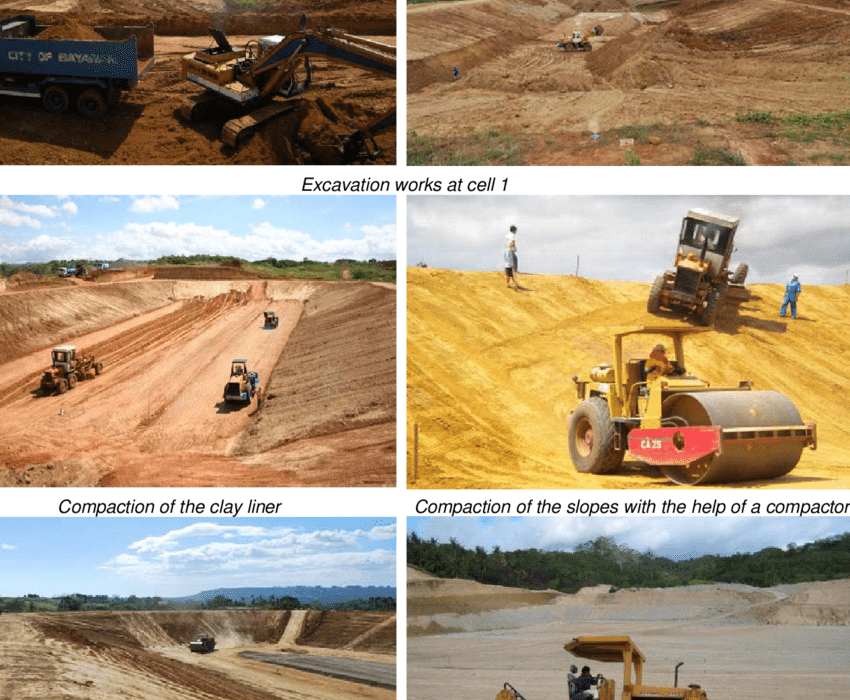
A modern, safe landfill and dumpsite in Kenya would incorporate several design features, operational practices, and technologies to ensure the responsible and sustainable disposal of waste. Compared to traditional open dumps, which are often unmanaged and environmentally hazardous, a modern landfill is a carefully engineered site that minimizes pollution, protects public health, and even has the potential to recover energy from waste. Here’s a detailed description of what a modern safe landfill and dumpsite in Kenya would look like:
1. Site Location and Design
- Careful Site Selection: The landfill would be located away from residential areas, water sources, and environmentally sensitive zones to prevent contamination. Before construction, environmental impact assessments (EIAs) would be conducted to select the safest possible location with minimal ecological impact.
- Zoned Design: The landfill would have specific zones designated for different types of waste, such as biodegradable waste, non-biodegradable waste, and potentially hazardous waste. There would also be dedicated areas for recycling and composting.
2. Lining System for Environmental Protection
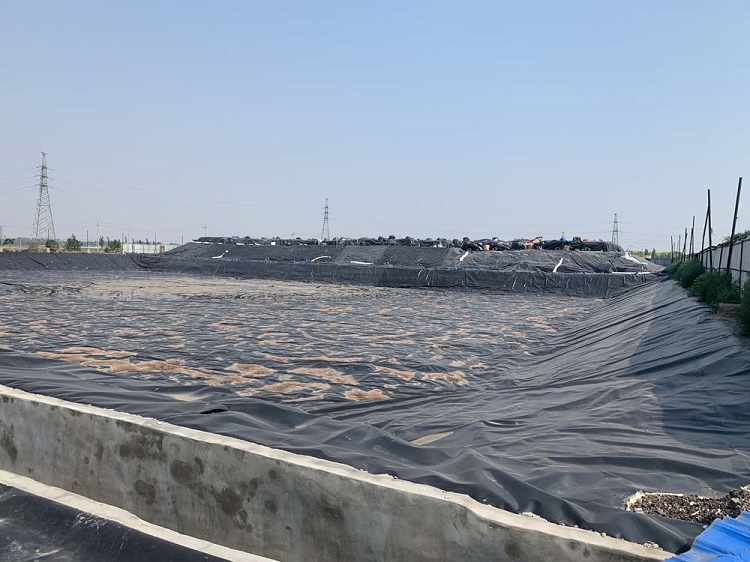
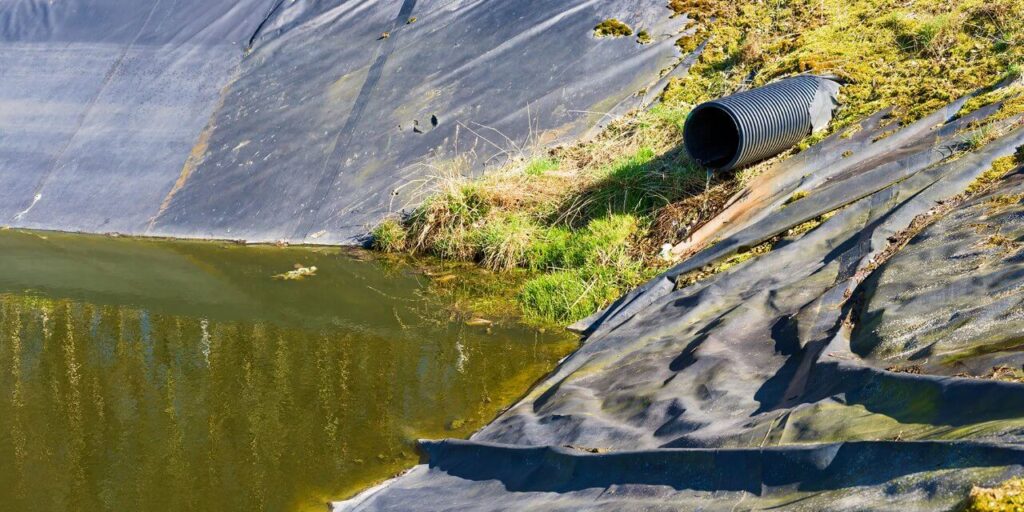
- Multi-layered Liner: A modern landfill in Kenya would have a high-quality lining system composed of multiple layers. Typically, this includes a layer of clay and a synthetic, impermeable geomembrane liner (often made of HDPE plastic). This barrier prevents leachate (the toxic liquid produced from decomposing waste) from seeping into the soil and contaminating groundwater.
- Drainage Layer: Above the liner, a drainage layer made of gravel or similar material would allow leachate to flow to collection pipes. This layer is crucial for directing leachate to a safe containment system, reducing the risk of ground pollution.
3. Leachate Collection and Treatment
- Leachate Collection System: Modern landfills are equipped with a network of pipes installed along the bottom of the landfill to collect leachate. These pipes direct leachate to a treatment facility where it can be safely processed.
- Leachate Treatment Plant: The treatment plant would neutralize harmful chemicals and bacteria in the leachate, preventing these pollutants from entering local water bodies. In some cases, the treated water could be reused for irrigation or other non-potable applications, though testing and approval would be required.
4. Gas Collection and Utilization
- Methane Gas Collection System: Decomposing organic waste in landfills produces methane, a potent greenhouse gas. A modern landfill captures methane through a system of gas wells and pipes. This gas can then be flared off safely to reduce its environmental impact or used for energy generation.
- Waste-to-Energy Conversion: Some landfills incorporate facilities that convert methane into energy. In Kenya, this could provide a valuable source of renewable energy for local communities, reducing reliance on fossil fuels and lowering greenhouse gas emissions.
5. Compaction and Covering of Waste
- Daily Compaction and Covering: Waste would be compacted and covered daily with soil or other inert materials. This minimizes odors, prevents litter, and deters pests such as rats and birds. Covering waste daily also reduces the risk of fires and limits the escape of harmful gases into the atmosphere.
- Final Capping: When a section of the landfill reaches capacity, it is capped with a final cover layer. This cap is a combination of soil, clay, and sometimes vegetation. It serves to seal the waste, prevent rainwater infiltration, and minimize gas escape.
6. Recycling and Resource Recovery Centers
- Waste Sorting Facilities: A modern landfill in Kenya would include dedicated waste sorting areas where recyclable materials like plastics, metals, paper, and glass can be separated. This reduces the volume of waste that ends up buried in the landfill and supports Kenya’s recycling industry.
- Organic Waste Composting: Organic waste such as food scraps and garden waste would be directed to composting facilities within the landfill site. Composting turns organic waste into valuable compost, which can be used in agriculture and landscaping, further reducing landfill volume.
7. Advanced Monitoring Systems
- Environmental Monitoring: Modern landfills are equipped with systems to monitor groundwater, air quality, and soil conditions regularly. Sensors detect any signs of contamination or gas leakage, allowing for prompt action to prevent environmental damage.
- Temperature Control and Fire Prevention: Built-in temperature sensors help prevent fires, which can occur when heat builds up in decomposing waste. By monitoring temperatures, landfill operators can manage risks associated with heat and gas build-up.
- Regular Inspections: Scheduled inspections are a core part of maintaining a safe landfill. This includes monitoring the integrity of the lining system, inspecting gas and leachate systems, and ensuring that waste is properly managed.
8. Community and Worker Safety
- Buffer Zones: The landfill would have buffer zones with tree cover to provide a barrier against odors and noise. This also enhances aesthetics and limits the impact on nearby communities.
- Safety Equipment for Workers: Landfill workers would be provided with protective equipment to safeguard them against hazardous materials. Regular training sessions would help them manage waste safely and understand emergency protocols.
- Health and Sanitation Facilities: Adequate sanitation and hygiene facilities would be available for landfill workers, and measures to address health risks would be prioritized. Periodic health checks for workers exposed to waste are also essential.
9. Public Awareness and Education Programs
- Community Education: The landfill management would engage the local community through awareness programs on waste reduction, recycling, and environmental protection. Educating people on proper waste segregation at home could significantly reduce the burden on the landfill.
- Encouraging Partnerships: Partnerships with NGOs, local authorities, and community groups would encourage a collaborative approach to sustainable waste management, including recycling and composting initiatives.
10. Future Closure and Land Reclamation Plans
- Post-Closure Care: Once a landfill cell or site reaches capacity, it undergoes a process known as post-closure care, which involves monitoring the site for decades to ensure there’s no environmental leakage or pollution.
- Land Reclamation and Repurposing: A well-maintained landfill site, after closure, can be repurposed for other uses, such as parks, solar farms, or recreational areas. The final cap layer allows vegetation to grow, transforming the landfill into a green space that can benefit the local community.
Examples of Modern Landfills in Kenya
Kenya’s current focus is shifting toward more sustainable landfill practices, particularly in urban areas like Nairobi and Mombasa. Efforts to replace the Dandora Dumpsite with a modern sanitary landfill have been proposed, but implementation is still underway. If developed, such a facility would incorporate the features described above, setting a precedent for waste management in Kenya and across Africa.
In Summary: A modern, safe landfill in Kenya would differ significantly from traditional dumpsites by integrating advanced engineering and environmental protections. Its design focuses on reducing pollution, harnessing renewable energy, and recovering valuable resources. By implementing such facilities, Kenya could significantly improve urban sanitation, support sustainable waste management practices, and protect the health and environment of its communities.


