
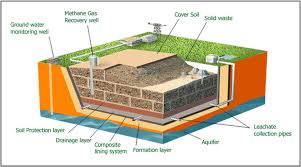
The Kitengela Sanitary Landfill project, located at the Noonkopir dumpsite, was initially designed to address Kitengela’s waste management needs with modern techniques that ensure environmental safety and public health. However, the project has encountered several challenges, limiting its effectiveness in fulfilling modern waste management standards. Here is a detailed review addressing the landfill’s features, challenges, and implications for waste safety:
1. Modern Waste Management Challenges
- Inadequate Infrastructure: The landfill was expected to provide structured, sanitary waste disposal to replace the unsanitary open dumping that has become common in Kitengela. However, inadequate infrastructure has hindered this goal. The facility struggles to handle the high volume of waste generated daily in Kitengela, a rapidly growing urban area, leading to overflow and uncontrolled waste accumulation.
- Revenue Management Issues: A significant obstacle has been a persistent conflict between the Kitengela Municipality and Kajiado County’s revenue department over the management and collection of dumping fees. This conflict has resulted in temporary closures and inconsistent service, affecting private waste collectors and exacerbating waste accumulation at the dumpsite.
2. Safety and Environmental Health Concerns
- Hazardous Waste Disposal: There are reports that hazardous waste from surrounding counties is brought to the Kitengela landfill illegally at night. This unauthorized disposal introduces toxic materials to the landfill, posing health risks to residents due to the release of harmful smoke when these materials are incinerated on-site. Nearby residents have expressed concern about air quality and potential exposure to dangerous substances, calling the situation a “time bomb” for public health.

- Lack of Proper Waste Segregation and Processing: The landfill lacks essential features of a modern sanitary landfill, such as leachate management and gas collection systems, which are critical for mitigating pollution from decomposing waste. As a result, the site has become a breeding ground for disease-carrying pests and has led to water and soil contamination risks in nearby communities.
3. Efforts Toward Improvement
- Local Initiatives and Community Involvement: The “Mali ni Taka” initiative, which sought to involve local women in recycling efforts and converting waste into economically viable products, represents a community-based approach to waste management. However, due to limited funding and organizational support, this program has struggled to gain traction and sustain activity at the landfill. Local leaders and residents have increasingly called for management to be transferred to community bodies to ensure more accountable and health-focused oversight.
- Calls for Relocation and Modernization: With ongoing environmental and safety issues, community leaders have pushed for relocating the landfill to a more suitable area. They argue that a modern sanitary landfill, with proper waste segregation, treatment facilities, and hazardous waste controls, would reduce public health risks and environmental damage. The National Environment Management Authority (NEMA) has previously recommended such steps, but implementation has faced delays due to administrative and financial obstacles.
In summary, while the Kitengela Sanitary Landfill project aimed to provide a sustainable solution to waste management, it currently falls short of modern standards due to funding, management disputes, and insufficient infrastructure. Addressing these challenges through improved waste processing facilities, regulatory enforcement, and community-centered management could help the landfill achieve its intended environmental and public health benefits.


