
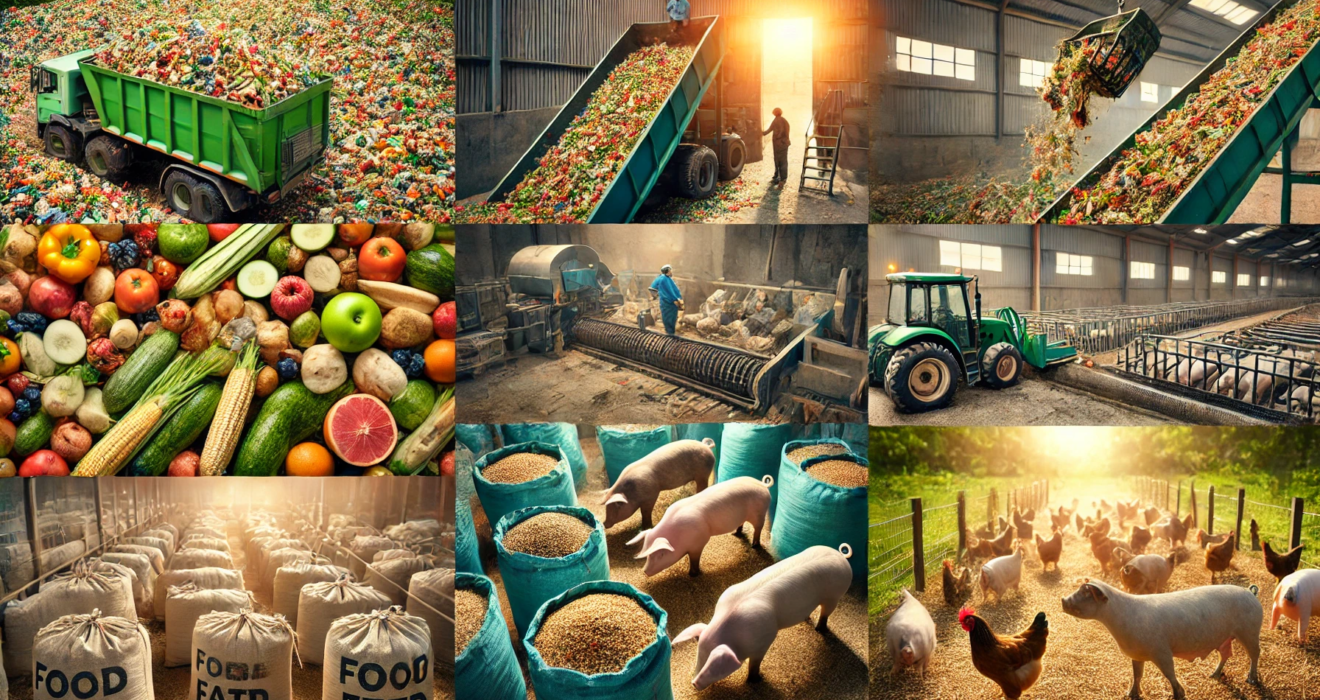
Yes, food waste from homes, schools, and institutions can be recycled as animal feed, provided it undergoes proper collection, sorting, and treatment to ensure it is safe and nutritious for animals. Recycling food waste for animal consumption is both an effective waste management strategy and a means of reducing feed costs in agricultural operations. However, there are crucial steps and considerations for making food waste safe for animals.
Here’s a detailed look at how this process works:
1. Types of Food Waste Suitable for Animal Feed
- Fruits and Vegetables: Fresh or minimally spoiled fruits and vegetables are often suitable for animals such as cattle, pigs, chickens, and goats. These contain valuable nutrients, fiber, and vitamins that support animal health.
- Grains and Bread: Stale or surplus bread, pasta, and grains can be fed to animals after ensuring they are free from mold and other contaminants. These food items are rich in carbohydrates, which provide energy to animals.
- Dairy Products: Some dairy products, like milk and yogurt, are safe for certain animals, particularly pigs, in small quantities. Care must be taken to avoid spoiled or contaminated dairy, as it can lead to digestive issues.
- Cereal Waste from Schools: Food waste from school meals, especially cereal-based waste, can also be recycled for livestock feed, as long as it’s free from excess salt, sugar, and harmful additives.
- Food Waste High in Protein: Certain types of food scraps, like those with minimal meat byproducts, are sometimes suitable for animals, especially pigs. However, meat waste should be handled carefully due to risks of pathogens.
2. Collection and Sorting
- Source Separation: For food waste to be used safely as animal feed, it must be separated from non-food waste at the source (home, school, or institution). This means keeping plastics, metal, chemicals, and other inedible or harmful substances out of the food waste collection.
- Segregation of Hazardous Substances: Some foods, such as those with high salt, sugar, or additives, can be harmful to animals. Ensuring that waste containing these substances is kept separate is essential to prevent health issues in animals.
- Ensuring Freshness: The collected food waste must be fresh enough to retain nutritional value. Rotting, moldy, or excessively spoiled waste poses health risks, including contamination from harmful bacteria and mycotoxins that can cause disease in animals.
3. Processing and Treatment of Food Waste
- Heat Treatment: To eliminate pathogens, food waste can be heat-treated or cooked. Cooking food waste reduces the risk of harmful bacteria, viruses, and parasites that could otherwise cause disease in animals. This is particularly important for food waste containing meat, dairy, or eggs.
- Fermentation and Drying: Food waste can be fermented or dried to improve its storage life and nutritional profile. Fermentation (similar to silage preparation in agriculture) uses bacteria to convert carbohydrates into acids, preserving the waste and making it more digestible for animals. Drying the waste reduces moisture, preventing spoilage and making it easier to store and transport.
- Grinding and Mixing: Food waste can be ground or shredded to create a consistent texture, making it easier for animals to consume and digest. This is especially useful for fibrous materials like vegetable peels, which can be hard for some animals to digest in their raw form.
4. Nutritional and Safety Considerations
- Balanced Nutrition: It’s important to ensure that food waste provides a balanced diet for animals. While fruits and vegetables are healthy, they may lack essential proteins or fats needed by animals. Some farmers mix food waste with other feed ingredients, like grains or protein supplements, to create a nutritionally balanced diet.
- Monitoring for Toxins: Food waste should be free from toxins, such as pesticides and mycotoxins, which can be harmful to animals. Regular testing, especially for large-scale animal operations, is recommended to ensure food waste does not introduce toxins into the animals’ diet.
- Avoiding Excessive Salt and Sugar: Foods high in salt and sugar are harmful to animals, particularly in large quantities. Excessive salt can cause kidney problems, while high sugar levels can lead to digestive issues and weight gain.
5. Legal and Regulatory Considerations
- Food Safety Regulations: Many countries have regulations governing the use of food waste in animal feed to ensure the health and safety of both animals and consumers. In Kenya, for instance, the Ministry of Agriculture may have guidelines for the safe use of food waste in feed to prevent the spread of disease.
- Prohibition of Certain Foods: Internationally, food waste containing meat or animal byproducts is often restricted in animal feed due to the risk of diseases like foot-and-mouth disease or African swine fever. This is particularly relevant when using waste for livestock like pigs, which can be more susceptible to pathogens.
- Traceability and Record-Keeping: Some countries require record-keeping of food waste sources to trace any issues that arise. This can help authorities manage outbreaks of foodborne illnesses and track the source of contamination.
6. Benefits of Using Food Waste as Animal Feed
- Reduced Environmental Impact: Recycling food waste as animal feed reduces the volume of waste sent to landfills or dumpsites. Food waste in landfills generates methane, a potent greenhouse gas that contributes to climate change. By feeding it to animals, we minimize methane emissions and reduce the overall environmental footprint.
- Cost Savings for Farmers: Using food waste as animal feed provides an affordable alternative to commercial feed, helping farmers, especially in low-income settings, reduce operational costs. Food waste often contains valuable nutrients and energy sources that are otherwise expensive in commercial feeds.
- Reduced Demand on Agricultural Resources: By repurposing food waste as animal feed, we reduce the demand for crops grown specifically for animal feed, such as corn and soybeans. This conserves water, land, and energy resources that would otherwise be used for feed production.
7. Risks and Challenges
- Disease Transmission: Without proper treatment, food waste can introduce diseases to animals. For example, raw meat waste can transmit pathogens like salmonella or E. coli, which can spread rapidly in livestock.
- Nutritional Imbalance: Food waste is often inconsistent in its nutrient content, so relying on it as a primary feed source can lead to nutritional imbalances in animals. Careful monitoring and supplementation are necessary to prevent deficiencies.
- Logistical Challenges: Collecting, sorting, processing, and distributing food waste on a large scale requires coordination and investment. Inconsistent waste volumes, transportation issues, and the need for processing facilities can be obstacles in establishing a sustainable system.
Examples of Food Waste Recycling Initiatives for Animal Feed
- The UN Food and Agriculture Organization (FAO) has promoted programs in developing countries to use food waste as livestock feed, particularly for smallholder farmers.
- Pig Farmers in Nairobi: Some pig farmers around Nairobi are already using treated food scraps collected from hotels, restaurants, and markets to feed their animals. This has become a cost-effective solution for small-scale farmers facing high feed prices.
- School Feeding Programs: Some schools and institutions are exploring partnerships with local farmers to redirect food waste to animal feed, creating a mutually beneficial cycle that reduces waste while supporting local agriculture.
In conclusion, food waste recycling as animal feed is an eco-friendly and cost-effective solution, particularly in urban areas where food waste is abundant, and animal feed costs are high. For successful implementation, however, food waste must be carefully collected, sorted, treated, and monitored to ensure safety for animal consumption. By addressing these challenges, Nairobi and other regions can create sustainable systems that reduce waste, support local agriculture, and lower environmental impacts.


