
Waste management has become one of the most pressing environmental challenges in Africa, and Kenya, with its rapidly growing urban population and emerging economy, finds itself at the forefront of this issue. With rising waste generation, particularly in urban areas, the pressure on waste management systems has never been higher. However, Kenya also has a unique opportunity to become a leader in waste management innovations across the continent. By leveraging its strategic position as an economic hub in East Africa, investing in new technologies, and encouraging public-private partnerships, Kenya can pave the way for sustainable and scalable waste management solutions that could be adopted by other African nations.
In this article, we explore how Kenya can harness its strengths, such as its vibrant entrepreneurial spirit, governmental support, and growing environmental consciousness, to lead the continent in waste management innovations. We’ll also look at the challenges Kenya faces in this space and suggest practical solutions for overcoming them. Ultimately, the goal is to showcase how Kenya’s leadership in waste management could provide a model for Africa’s broader sustainability efforts.
The Current State of Waste Management in Kenya
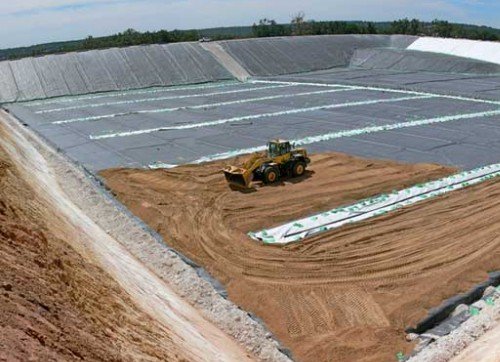
Kenya’s waste management system, like many other African countries, is struggling to keep pace with rapid urbanization and industrial growth. In urban centers like Nairobi, Mombasa, and Kisumu, waste generation is increasing at a staggering rate. Nairobi, for example, produces over 2,500 tons of waste per day, but only a fraction of that is properly collected, sorted, or recycled. The remainder ends up in landfills, rivers, and open dumpsites, contributing to pollution and public health risks.

The Kenyan government has made some strides in waste management, including the introduction of the plastic bag ban in 2017, which was hailed as a significant step toward reducing plastic waste. However, the country still faces significant challenges in terms of infrastructure, policy enforcement, and public awareness. Informal settlements, where the majority of Kenya’s urban population resides, have little to no access to waste management services. Furthermore, recycling remains limited, with most waste being disposed of in landfills without any effort to reclaim valuable materials.
Despite these challenges, Kenya has the potential to lead Africa in waste management innovations. The country’s growing tech sector, young population, and increasing commitment to sustainability provide a solid foundation for creating solutions that can be scaled across the continent.
Key Factors That Position Kenya as a Leader in Waste Management Innovations
Several factors position Kenya to take a leadership role in waste management innovation, both within Africa and globally. These factors include its strategic geographical location, entrepreneurial culture, government support, and the growing focus on environmental sustainability.
- Strategic Location and Economic Influence
Kenya is a key economic hub in East Africa, with Nairobi serving as a regional center for trade, finance, and technology. The country is home to numerous international organizations, NGOs, and businesses that are increasingly focused on environmental sustainability. This makes Kenya an ideal place to pilot and scale waste management solutions that could be adopted by other African countries. The presence of key international stakeholders also increases the potential for investment in waste management innovations, whether through grants, partnerships, or collaboration. - Vibrant Entrepreneurial Culture
Kenya’s entrepreneurial spirit, particularly in the tech sector, has led to rapid advancements in innovation across various industries. This culture of entrepreneurship is crucial in driving forward new ideas for waste management. From mobile money services like M-Pesa to the rise of “tech hubs” like Nairobi’s Silicon Savannah, Kenya has shown a capacity for adopting and adapting technology quickly. This mindset could translate well into developing and scaling waste management solutions that incorporate technology, such as waste-to-energy projects, automated waste sorting systems, and digital platforms for waste collection. - Government Commitment to Sustainability
The Kenyan government has demonstrated a strong commitment to environmental sustainability, evidenced by policies such as the plastic bag ban and the National Environmental Management Authority (NEMA). Additionally, the government has launched initiatives like the Kenya Climate Smart Agriculture Strategy, which promotes sustainable practices across various sectors, including waste management. While there is still room for improvement in enforcing regulations and expanding waste management infrastructure, the political will to address environmental issues is evident. This creates an opportunity for the private sector and civil society to collaborate with the government to drive innovation in waste management. - Youth Engagement and Awareness
Kenya’s youthful population—over 75% of the population is under the age of 35—presents a unique opportunity for fostering innovation. Young people in Kenya are increasingly aware of the environmental challenges the country faces and are eager to engage in solutions that make a tangible impact. Startups and social enterprises are emerging, many focused on sustainability, including waste management. This generation is also highly tech-savvy and can leverage digital platforms to promote awareness, encourage recycling, and implement new waste management technologies.
Opportunities for Kenya to Lead in Waste Management Innovations
Kenya has numerous opportunities to innovate in waste management, which could not only address the local challenges but also serve as a model for other African countries. Below are several key areas where Kenya can lead the way in waste management solutions:
- Waste-to-Energy Technologies
Waste-to-energy (WTE) technology is one of the most promising innovations for addressing both waste and energy challenges in Kenya. By converting non-recyclable waste into energy, Kenya could reduce its dependence on fossil fuels while also addressing the growing waste pileup in landfills. The country already has pilot WTE projects in places like Nairobi, and with the right investment and infrastructure, this technology could be scaled to serve major urban areas and rural communities alike. Additionally, waste-to-energy projects can create jobs, contribute to energy security, and reduce harmful emissions from landfills. - Recycling and Circular Economy Models
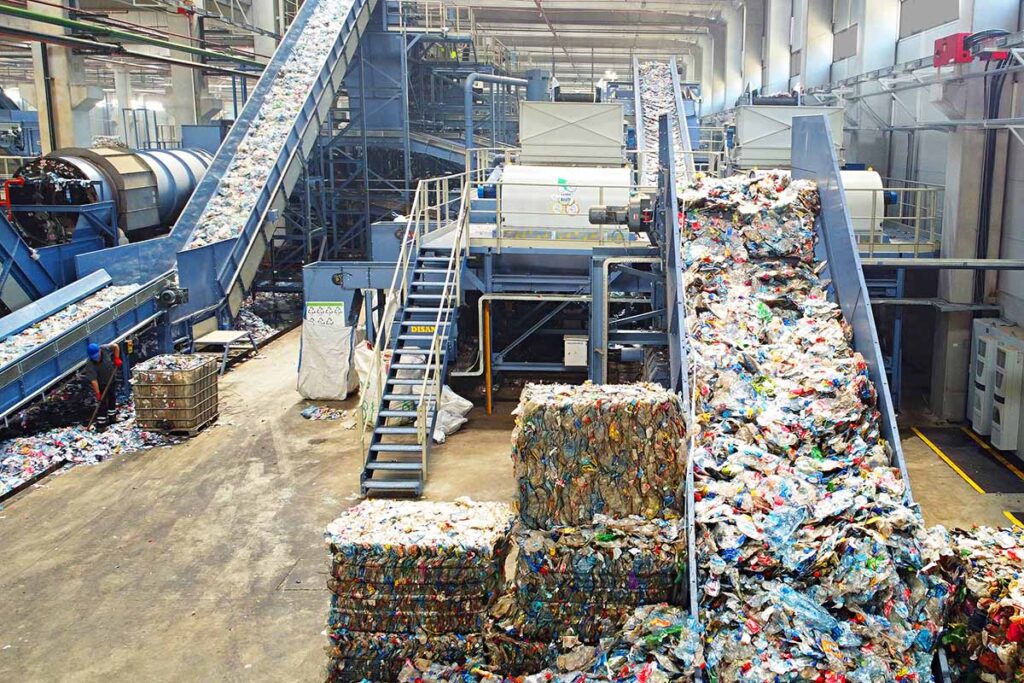
Kenya can lead the continent by adopting circular economy principles, which focus on reducing waste and reusing resources rather than discarding them. This includes promoting recycling programs, setting up efficient collection systems, and investing in facilities to process recyclables. The Kenyan government, together with private sector players, can work to create incentives for recycling businesses, reduce landfill dependency, and encourage consumers to segregate their waste at the source. Nairobi, with its growing recycling initiatives, could serve as a model city for other African capitals looking to embrace circular economy principles.
- Digital Platforms for Waste Management
Digital solutions are transforming waste management around the world, and Kenya can leverage its growing tech scene to build innovative platforms for waste collection, recycling, and awareness. For example, apps that allow residents to schedule waste pickups, track waste disposal patterns, or report illegal dumping could help streamline waste management services. Platforms that connect waste generators (households, businesses) with recyclers or waste processors could reduce the amount of waste sent to landfills and promote circular economy practices. With the widespread use of smartphones in Kenya, these digital platforms could be scalable across Africa. - Public-Private Partnerships (PPPs)
Public-private partnerships have been instrumental in the success of waste management projects in other parts of the world, and Kenya can utilize these partnerships to drive innovation and scale up waste management solutions. By working with local businesses, international organizations, and NGOs, the Kenyan government can create a more efficient waste management system that meets the needs of its rapidly growing urban population. Furthermore, the private sector can bring in much-needed investment and expertise, particularly in the areas of waste recycling, technology development, and infrastructure improvement. - Education and Public Awareness Campaigns
One of the key factors in improving waste management in Kenya is increasing public awareness about the importance of waste reduction, recycling, and responsible waste disposal. The government, along with NGOs and businesses, should invest in education campaigns that teach people about waste segregation, the benefits of recycling, and how to reduce waste at home and in the workplace. Kenya’s strong media presence, coupled with its young, tech-savvy population, makes it an ideal environment for launching large-scale digital campaigns that could encourage behavioral change.
Overcoming Challenges to Waste Management Innovation
While Kenya has the potential to lead in waste management innovations, there are significant challenges that need to be addressed to fully capitalize on these opportunities.
- Inadequate Infrastructure
The lack of proper waste collection and recycling infrastructure in many parts of Kenya, particularly in informal settlements, is a major barrier to innovation. To overcome this, the government and private sector must invest in the development of infrastructure that can support modern waste management systems, including recycling centers, waste-to-energy plants, and efficient collection services. - Regulatory Challenges
Although Kenya has made significant strides in environmental policy, enforcement remains a challenge. The government needs to strengthen its waste management regulations and ensure that they are properly enforced at both local and national levels. This includes addressing illegal dumping, monitoring waste practices, and providing incentives for businesses to adopt sustainable waste management solutions. - Financial Constraints
Waste management innovations often require significant financial investment, and securing funding can be difficult. To overcome this challenge, Kenya could explore partnerships with international organizations, development agencies, and private investors who are committed to sustainability and environmental protection. Additionally, Kenya could benefit from accessing green finance options, such as loans or grants designed to support eco-friendly projects.
Kenya has a unique opportunity to lead Africa in waste management innovations. By embracing waste-to-energy technologies, promoting circular economy practices, harnessing digital platforms, and fostering public-private partnerships, the country can develop sustainable solutions that address its growing waste challenges while positioning itself as a model for other African nations. While there are challenges to overcome, Kenya’s vibrant entrepreneurial culture, strong governmental support, and youthful population provide a solid foundation for driving change. With the right investments and collective action, Kenya can become a leader in waste management, helping to create a cleaner, more sustainable future for Africa.


