

Recycling is one of the most powerful tools in the fight against environmental degradation, yet many countries, including Kenya, are only beginning to unlock its full potential. Despite the growing awareness of environmental issues, waste management remains a significant challenge in Kenya, particularly in urban areas. The country generates millions of tons of waste each year, much of which ends up in landfills, rivers, or the environment. However, amid this waste crisis lies a massive opportunity to transform trash into treasure.
Recycling offers a viable solution that not only addresses the waste management crisis but also presents numerous economic, environmental, and social benefits. By developing a robust recycling industry, Kenya has the potential to create jobs, reduce environmental pollution, and generate valuable resources from what is currently considered waste. In this article, we will explore the untapped potential of recycling in Kenya, examining its benefits, the challenges the country faces in fully embracing recycling, and the opportunities for growth in the sector.
The State of Waste and Recycling in Kenya
Kenya’s waste management infrastructure has struggled to keep pace with rapid urbanization and population growth. In cities like Nairobi, waste generation has increased significantly in recent years, with the capital city producing over 2,500 tons of waste daily. However, much of this waste is not effectively managed. According to estimates, only about 40% of urban waste in Kenya is collected, and even less is recycled or repurposed. The rest is either burned, dumped in landfills, or discarded in open spaces, creating unsanitary conditions and contributing to environmental pollution.
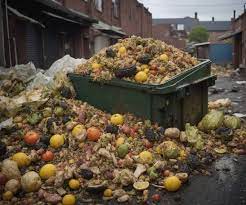
Despite the challenges, there is a growing awareness of the need for better waste management in Kenya. The 2017 plastic bag ban, for instance, was a significant step in the right direction, signaling the government’s commitment to reducing plastic pollution. Additionally, there are small but increasing efforts in the private sector and communities to establish recycling programs. However, these initiatives remain isolated and underdeveloped, and much of the country still lacks the infrastructure and systems required for large-scale recycling operations.
The untapped potential of recycling in Kenya is substantial. With the right investments in infrastructure, public-private partnerships, and community engagement, Kenya can create a recycling ecosystem that benefits both the environment and the economy. The growing tech industry, along with an increasing focus on sustainable development, could serve as a catalyst for this transformation.
Economic Benefits of Recycling in Kenya
Recycling presents numerous economic benefits that Kenya could capitalize on. One of the most compelling advantages is the creation of jobs. The recycling industry has the potential to provide employment across various sectors, including waste collection, sorting, processing, and the manufacturing of recycled goods. As Kenya’s population grows, the demand for jobs will increase, and the recycling sector could play a key role in absorbing some of this demand.
For example, the production of recycled plastics, metals, and paper can support industries that use these materials to create new products. This not only reduces the cost of raw materials for manufacturers but also reduces Kenya’s reliance on imports. By fostering a circular economy where materials are reused and repurposed, Kenya can increase its domestic production capacity and reduce its environmental footprint.
Furthermore, recycling can contribute to the growth of the green economy, which is gaining traction worldwide. Green businesses—those focused on sustainability—are becoming increasingly attractive to investors, especially those looking to fund environmentally conscious ventures. By investing in recycling infrastructure, Kenya can attract both local and international investors, creating a thriving green economy that generates wealth, reduces waste, and promotes environmental sustainability.
Finally, recycling can significantly reduce waste management costs. Landfilling and waste incineration are expensive processes that require significant investment in infrastructure and maintenance. By diverting waste from landfills through recycling, Kenya can save public funds while simultaneously improving waste management efficiency. This could help create a more sustainable and cost-effective system for managing the country’s growing waste problem.
Environmental Impact: Reducing Pollution and Conserving Resources
The environmental impact of recycling is perhaps its most immediate and significant benefit. With the growing problem of plastic and other non-biodegradable waste in Kenya, recycling presents an opportunity to reduce pollution and conserve natural resources. Plastic waste, for instance, is a major environmental concern in Kenya, where it often clogs rivers, pollutes the ocean, and disrupts ecosystems. By recycling plastic, the country can significantly reduce the amount of plastic waste that ends up in the environment.
Recycling also helps conserve natural resources, such as timber, water, and minerals. For example, by recycling paper, the demand for virgin wood is reduced, which helps conserve forests and protect biodiversity. Similarly, recycling metals and electronic waste can reduce the need for mining, which is an environmentally destructive process that contributes to habitat loss, soil erosion, and water contamination.
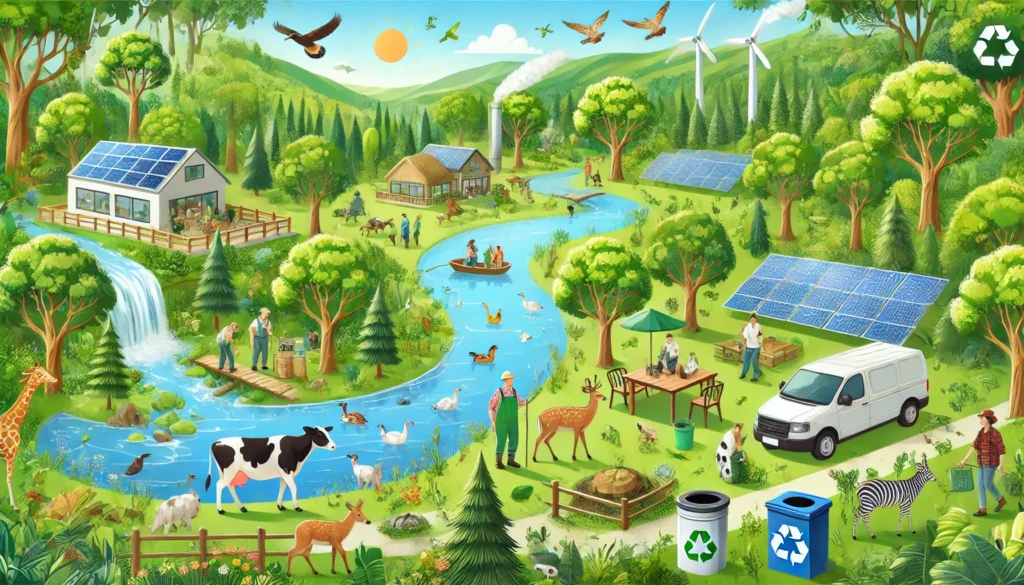
The recycling process also generates fewer greenhouse gas emissions compared to producing new products from raw materials. As Kenya works to meet its climate goals, embracing recycling can contribute to the country’s efforts to reduce its carbon footprint and mitigate the impacts of climate change. Furthermore, waste-to-energy technologies, which can convert non-recyclable waste into energy, present another opportunity for reducing carbon emissions and generating clean energy.
Finally, recycling helps to alleviate the burden on landfills, which are often overcrowded and poorly managed in Kenya. By diverting recyclable materials from landfills, Kenya can reduce the environmental pollution associated with landfills, such as methane emissions and soil contamination. This, in turn, improves public health outcomes and contributes to cleaner urban environments.
Challenges Facing Recycling in Kenya
Despite the clear benefits of recycling, Kenya faces several challenges in fully realizing the potential of its recycling industry. One of the main obstacles is the lack of a comprehensive waste management infrastructure. In many parts of Kenya, especially in informal settlements, waste collection services are either inadequate or nonexistent. As a result, waste is often disposed of improperly, making it difficult to sort and recycle materials effectively.
Additionally, there is a lack of public awareness about the importance of recycling. Many people in Kenya are not accustomed to sorting their waste, and there is limited knowledge about what materials can be recycled. Without education campaigns to raise awareness about the environmental and economic benefits of recycling, it is difficult to change waste disposal behaviors at the community level.
Another significant barrier is the absence of formalized recycling programs in many parts of the country. While there are some initiatives in urban areas like Nairobi, most rural regions lack the infrastructure and facilities needed to support recycling. Furthermore, the recycling sector is fragmented, with many small-scale informal recyclers operating without the necessary equipment or support to scale their operations.
There are also challenges related to the lack of investment in recycling technology. While Kenya has a growing tech industry, the recycling sector has not yet seen the level of investment necessary to introduce advanced sorting and processing technologies. The adoption of such technologies is crucial for improving recycling efficiency, reducing costs, and increasing the quality of recycled materials.
Lastly, regulatory challenges exist, with insufficient enforcement of waste management laws. While the Kenyan government has introduced policies such as the plastic bag ban, more comprehensive and enforceable regulations are needed to encourage recycling at both the consumer and industrial levels. Strengthening waste management laws, creating incentives for businesses to recycle, and improving enforcement mechanisms are all essential steps in overcoming these challenges.
Opportunities for Growth in Kenya’s Recycling Sector
Despite these challenges, there are several opportunities for Kenya to grow its recycling sector. The government, private sector, and civil society can work together to address the barriers to recycling and unlock the sector’s full potential. Below are some key areas of opportunity:
- Investment in Recycling Infrastructure
Kenya needs to significantly invest in recycling infrastructure, including sorting facilities, recycling plants, and waste collection systems. This will require both public and private sector collaboration. Expanding waste collection services in informal settlements and rural areas will also be critical to improving recycling rates across the country. - Public Awareness and Education Campaigns
Raising awareness about the importance of recycling is essential for changing public attitudes and behaviors toward waste management. Educational campaigns, both at the community and national levels, should focus on waste segregation, the benefits of recycling, and how individuals can participate in recycling programs. Schools, local governments, and businesses can all play a key role in promoting recycling. - Incentivizing Recycling Through Policies
The Kenyan government can incentivize recycling by introducing policies that encourage businesses to recycle and invest in sustainable practices. This could include tax breaks for companies that adopt recycling technologies, subsidies for recycling startups, or extended producer responsibility (EPR) schemes where manufacturers are required to take responsibility for the lifecycle of their products, including recycling. - Technological Innovation and Startups
Kenya’s growing tech industry presents a unique opportunity to introduce innovative recycling solutions. Startups focused on waste management and recycling could use technology to improve waste sorting, develop new recycling techniques, or create platforms that connect recyclers with waste generators. Additionally, the use of waste-to-energy technologies can help convert non-recyclable waste into usable energy. - Collaboration with International Partners
Kenya can also benefit from collaboration with international organizations and businesses that specialize in recycling technologies and waste management solutions. By partnering with international experts, Kenya can gain access to advanced recycling technologies, best practices, and funding to help develop its recycling industry.
Kenya’s recycling industry is still in its infancy, but the untapped potential is vast. By overcoming the challenges related to infrastructure, public awareness, investment, and regulation, Kenya can harness the economic, environmental, and social benefits of recycling. The country has the opportunity to transform waste into valuable resources, creating jobs, reducing pollution, and contributing to a greener and more sustainable economy. With the right investments, partnerships, and commitment, Kenya can become a leader in recycling innovation in Africa, setting an example for the rest of the continent to follow.


