
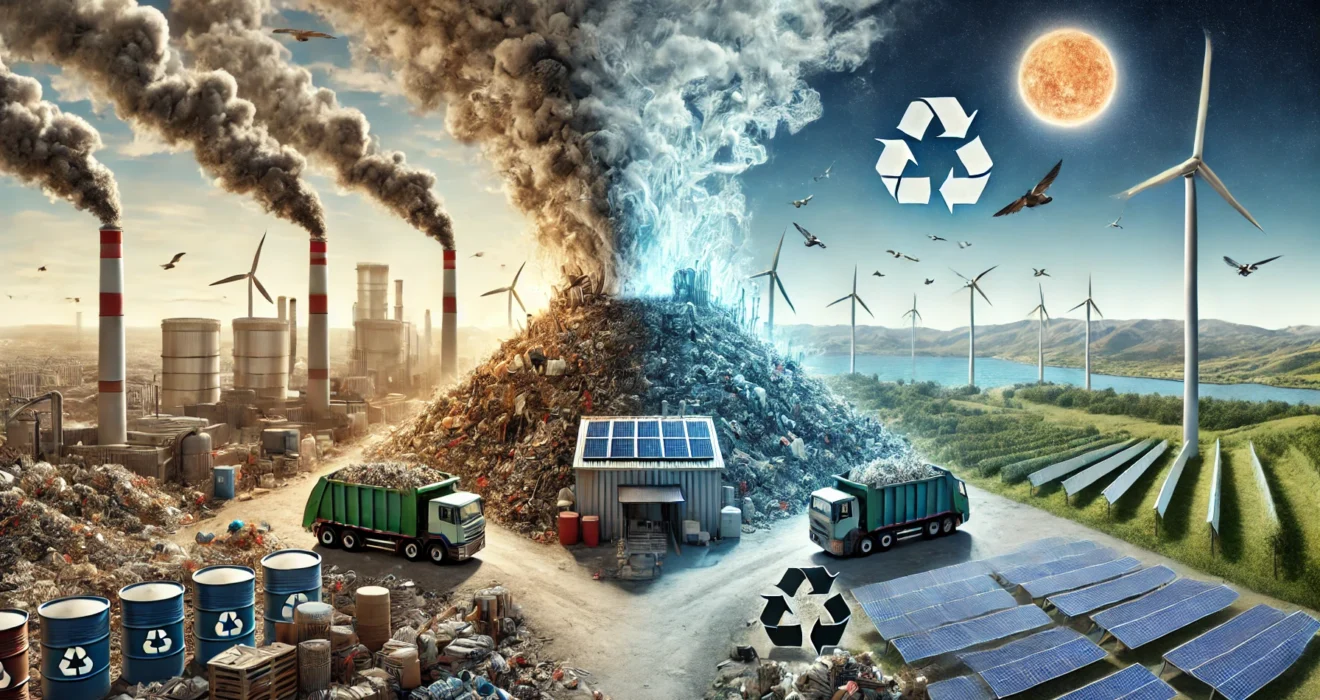
Introduction: The Intersection of Waste Management and Climate Change
In recent years, climate change has emerged as one of the most pressing global challenges, with its impacts felt across every continent. Kenya, like many other nations, is experiencing the consequences of climate change, including unpredictable weather patterns, droughts, and rising temperatures. However, one area that remains largely overlooked in discussions about climate change is waste management. Improper waste management not only poses a direct threat to environmental health but also contributes significantly to climate change through greenhouse gas emissions. Understanding how waste management in Kenya is linked to climate change is crucial for mitigating environmental damage and creating a more sustainable future for the country.
The Waste Challenge in Kenya
Kenya is currently grappling with a growing waste management crisis. The country’s population is increasing rapidly, especially in urban areas, and waste generation is rising in tandem. In cities like Nairobi, over 2,000 tons of solid waste are generated daily, and much of this waste is not managed properly. Open dumpsites, inadequate waste collection systems, and the informal disposal of waste contribute to environmental degradation, posing both public health risks and exacerbating climate change.
While Kenya’s government has made strides in addressing waste management challenges—such as the ban on plastic bags in 2017—much still remains to be done to ensure sustainable waste practices. This lack of effective waste management directly influences the nation’s contribution to climate change, primarily through the release of methane and carbon dioxide from organic waste and the accumulation of waste in landfills.
How Waste Contributes to Climate Change
Waste management has a direct connection to climate change, particularly through the production of greenhouse gases. When organic waste such as food scraps and agricultural residues are dumped in landfills, they decompose anaerobically (without oxygen), resulting in the release of methane gas. Methane is a potent greenhouse gas with a global warming potential many times greater than carbon dioxide. In Kenya, where a significant proportion of waste is organic, this process is a major contributor to climate change.
Inadequate waste processing and recycling also exacerbate carbon emissions. For instance, the burning of waste in open dumpsites or informal incinerators releases harmful pollutants, including carbon dioxide (CO₂) and black carbon, both of which contribute to climate change. Black carbon is particularly harmful because it has a much higher warming effect than CO₂ and also contributes to the melting of glaciers and ice sheets, which is a major concern for Kenya’s water supply from mountain glaciers.
The Impact of Poor Waste Management on Public Health and the Environment
Waste mismanagement in Kenya doesn’t just contribute to climate change; it also leads to significant public health and environmental problems. Open dumpsites, such as the infamous Dandora landfill in Nairobi, pose serious risks to surrounding communities, including the contamination of soil and water sources, as well as air pollution. These environmental hazards often exacerbate health problems like respiratory diseases, diarrheal infections, and vector-borne diseases such as malaria.
The environmental degradation caused by improper waste disposal also disrupts Kenya’s ecosystems. Waste that ends up in rivers, lakes, and the ocean harms aquatic life and degrades natural resources, which are vital for the livelihoods of many Kenyans who rely on agriculture and fishing. Additionally, the accumulation of plastic waste, a major component of Kenya’s waste stream, affects wildlife and ecosystems, harming biodiversity and further jeopardizing Kenya’s environmental stability.
Current Waste Management Practices in Kenya
Kenya’s waste management infrastructure is still developing. In urban areas, waste collection services are often irregular and insufficient, especially in informal settlements. While Nairobi has a municipal waste collection system, the services don’t reach every part of the city, especially low-income neighborhoods where people resort to informal waste disposal methods.
One key challenge is the lack of comprehensive waste sorting and recycling programs. Much of the waste collected is dumped into landfills without any effort to separate recyclable materials like plastic, glass, or metal. A large proportion of the waste generated in Kenya is organic, and without proper composting or waste-to-energy technologies, it ends up contributing to methane emissions in landfills.
There are, however, some promising initiatives. Several NGOs and community-based organizations are working on waste management solutions in Nairobi and other cities, promoting recycling, composting, and creating awareness about the need for sustainable waste disposal. These efforts, though commendable, need to be scaled up if they are to have a significant impact on the country’s climate goals.
The Role of Recycling and Waste-to-Energy Technologies
Recycling is one of the most effective ways to reduce the environmental impact of waste management. In Kenya, the recycling sector is growing, with many businesses focusing on the collection and processing of materials such as plastics, paper, and metals. However, the rate of recycling remains low, and there is a need for more robust systems to encourage individuals and industries to recycle more effectively.
Waste-to-energy technologies, which convert organic waste into energy, also present a significant opportunity for Kenya. By utilizing methane from landfills or incinerating waste in a controlled manner, Kenya could not only reduce emissions but also generate electricity to meet the country’s energy needs. This would address both waste management issues and energy shortages in one solution, particularly in rural areas that are off the grid.
The Role of the Government in Tackling Waste and Climate Change
The Kenyan government plays a crucial role in addressing waste management and its impact on climate change. In 2017, Kenya became one of the first African countries to implement a nationwide plastic bag ban, which was hailed as a significant step in reducing plastic pollution. This ban has had a positive effect on the reduction of plastic waste in urban areas, although challenges remain in enforcement and addressing the informal plastic sector.
However, Kenya’s national waste management policies need to be more comprehensive and forward-thinking. The government should invest in waste infrastructure, promote public-private partnerships for recycling and waste-to-energy initiatives, and introduce more stringent regulations for waste disposal, especially in informal settlements. There is also a need for greater public awareness campaigns to educate the population about the importance of waste segregation, recycling, and composting.
Community and Business Involvement in Waste Management Solutions
In addition to government action, businesses and local communities must also be involved in addressing waste management challenges. In Kenya, many businesses are beginning to take the lead in waste reduction by adopting sustainable packaging, reducing waste in production processes, and investing in recycling initiatives. The private sector has a significant role to play in waste management and climate change mitigation, particularly in the context of Kenya’s growing consumer market.
Community participation is also essential. Informal waste collectors, who play a key role in urban waste management in Kenya, should be integrated into formal waste systems. They can be trained to sort and recycle waste, and in turn, their livelihoods can be improved through formal recognition and support. Public awareness campaigns that encourage waste minimization at the household level are equally important, as they can help shift mindsets toward more sustainable consumption and disposal habits.
The Future of Waste Management and Climate Change in Kenya
The future of waste management in Kenya hinges on the adoption of more sustainable practices, stronger regulations, and technological innovations. The government, private sector, and citizens must collaborate to reduce waste, recycle more, and mitigate climate change. As Kenya continues to urbanize and industrialize, it will need to scale up its waste management strategies to address both the volume of waste generated and the climate challenges it faces.
Kenya is already feeling the effects of climate change, and waste management is one of the areas where it can make a significant difference. By investing in better waste management systems, promoting recycling, and adopting waste-to-energy technologies, Kenya can mitigate the environmental impacts of waste while also contributing to the global effort to reduce greenhouse gas emissions.
Conclusion: A Call to Action
Waste management and climate change are inextricably linked, and Kenya cannot afford to ignore this relationship. By addressing the country’s waste management issues, Kenya can make a significant contribution to combating climate change, improving public health, and ensuring a more sustainable future for all. It is time for the government, businesses, and citizens to work together to turn waste management into an opportunity for climate action.


