
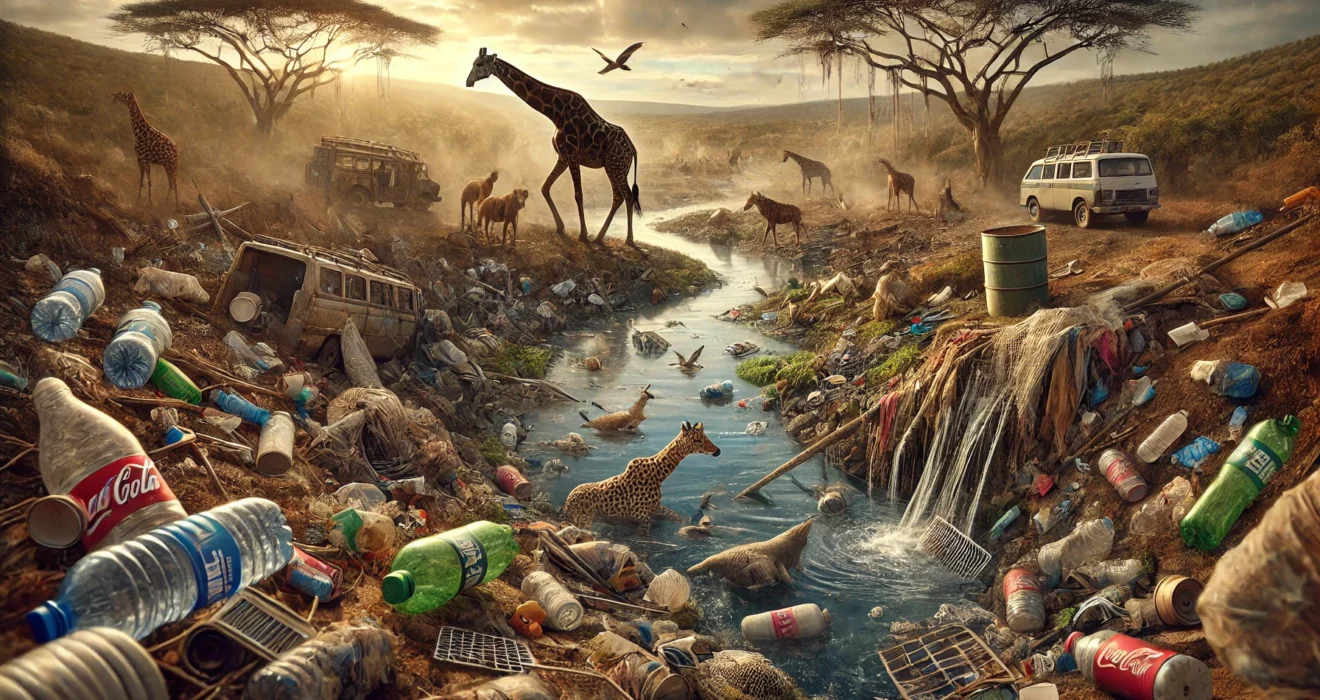
Introduction: Understanding the Link Between Waste Disposal and Ecosystem Health
In Kenya, the rapidly growing urban population, combined with inadequate waste management systems, has led to a rising crisis in waste disposal. From overflowing landfills to plastic-strewn rivers and polluted beaches, the impacts of poor waste management are far-reaching. However, the true cost of improper waste disposal extends beyond unsightly trash piles and public health risks; it profoundly affects Kenya’s ecosystems in ways that are often not immediately visible. The hidden costs of poor waste disposal on the country’s ecosystems are becoming increasingly evident, threatening biodiversity, disrupting ecosystems, and hindering sustainable development. This article aims to explore these hidden costs and raise awareness of the urgency of addressing waste management in Kenya.
The State of Waste Management in Kenya
Kenya, with a population of over 50 million, generates millions of tons of waste every year. The majority of this waste is mismanaged, often ending up in open dumpsites, streets, rivers, or the ocean. In cities like Nairobi, only about 50-60% of the generated waste is collected and properly disposed of, leaving large amounts of waste unmanaged. Waste management systems in Kenya, particularly in informal settlements, are underdeveloped, and the capacity of local governments to address the issue is limited. This results in widespread environmental pollution, contributing to the degradation of the country’s ecosystems.
The types of waste most commonly mismanaged in Kenya include plastics, organic waste, and e-waste. Plastic pollution, in particular, has become a pressing issue, with plastic bags, bottles, and packaging accumulating in urban areas and rural landscapes alike. The pervasive nature of plastic waste is especially dangerous because it takes hundreds of years to break down, during which time it leaches toxic chemicals into the soil and water, harming ecosystems.
The Impact of Poor Waste Disposal on Kenya’s Aquatic Ecosystems
One of the most significant and often overlooked consequences of poor waste disposal in Kenya is the damage caused to aquatic ecosystems. Rivers, lakes, and coastal waters are particularly vulnerable to the impacts of unmanaged waste. Plastic waste is one of the main culprits, with thousands of tons of plastic bottles, bags, and packaging materials being discarded into Kenya’s waterways every year. These materials do not biodegrade and instead break into smaller particles, known as microplastics, which can easily be consumed by aquatic organisms.
The ingestion of plastic by fish, birds, and other marine life leads to injury, suffocation, and death. In addition, plastics contain harmful chemicals that leach into the water, further contaminating aquatic habitats. For example, Lake Victoria, Africa’s largest freshwater lake, faces significant plastic pollution, impacting its diverse aquatic species and the livelihoods of millions who depend on the lake for fishing.
Wastewater runoff from poorly managed landfills and informal waste dumpsites also carries pollutants like heavy metals, oil, and chemicals into rivers and lakes, further degrading water quality. These pollutants are toxic to aquatic life, leading to reduced biodiversity and the destruction of habitats for fish, amphibians, and other aquatic organisms. Poor waste disposal thus not only harms marine and freshwater species but also undermines the ability of ecosystems to provide essential services such as water filtration, which is critical for both human and animal populations.
The Destruction of Terrestrial Ecosystems
In addition to aquatic ecosystems, poor waste disposal has a direct and harmful effect on terrestrial ecosystems in Kenya. Waste dumped in open areas or near forests and parks can lead to soil contamination, disrupting the balance of plant and animal life. Organic waste, such as food scraps, rotting vegetation, and agricultural waste, can produce methane when it decomposes in landfills or open dumps. Methane is a potent greenhouse gas that contributes to climate change, further exacerbating the degradation of terrestrial ecosystems.
Toxic chemicals leach from improperly disposed e-waste, household items, and industrial waste, contaminating the soil and harming plant life. When toxic substances such as lead, cadmium, and mercury enter the soil, they can persist for years, making the land unsuitable for farming and damaging food crops. This soil contamination also impacts wildlife, particularly those that depend on plants for food, as well as pollinators like bees, which are essential for the reproduction of many plant species.
Wildlife habitats are also affected by litter, which can block access to food, water, and shelter. Animals that ingest or become entangled in waste can suffer serious health issues, leading to population declines. For instance, many terrestrial species, including elephants and antelope, have been observed to eat discarded plastic bags, which can block their digestive systems and lead to death. The accumulation of waste in natural habitats thus poses a significant threat to Kenya’s biodiversity.
The Effect of Waste on Kenya’s Biodiversity
Kenya is renowned for its rich biodiversity, home to iconic species such as elephants, rhinos, lions, and giraffes. However, this biodiversity is under threat, in part due to the impacts of poor waste disposal. Waste that is improperly disposed of often ends up in national parks, reserves, and other protected areas. In these areas, waste can disrupt the natural balance of ecosystems and harm the wildlife that resides there.
For example, plastic waste is frequently found in Kenya’s national parks, including the Maasai Mara and Tsavo, where it poses a direct threat to animals. Elephants are particularly at risk of ingesting plastic bags, which can cause internal blockages and lead to death. Additionally, the accumulation of waste in parks interferes with the aesthetic and ecological value of these protected areas, which are vital to Kenya’s tourism industry.
The loss of biodiversity due to poor waste disposal has far-reaching consequences. Kenya’s ecosystems are finely balanced, with each species playing a role in maintaining the health of the environment. The destruction of habitats and the decline of species due to pollution can disrupt these delicate relationships, leading to cascading effects that threaten the stability of entire ecosystems.
The Impact on Human Communities and Livelihoods
Beyond the environmental and ecological costs, poor waste disposal also has significant economic and social consequences for Kenya’s communities. Many rural and coastal communities rely on healthy ecosystems for their livelihoods, whether through agriculture, fishing, or tourism. Pollution and ecosystem degradation directly impact the resources these communities depend on.
For instance, the fishing industry in Kenya is highly dependent on clean waters and healthy fish populations. As pollution in rivers, lakes, and oceans increases, fish stocks decline, leading to reduced catches and income for local fishermen. Similarly, in agricultural areas, soil contamination from waste can reduce crop yields, negatively affecting farmers’ ability to earn a living.
Tourism is another industry at risk. Kenya’s national parks and coastal areas attract millions of tourists every year. However, if these areas become polluted with waste, tourists may choose to visit other destinations, depriving local economies of vital revenue. The degradation of Kenya’s ecosystems due to poor waste disposal, therefore, not only threatens the environment but also the economic well-being of its people.
The Role of Government and Policy in Addressing Waste Disposal Issues
While waste management in Kenya is a significant challenge, the government has made strides in addressing the issue. The introduction of the plastic bag ban in 2017 was a significant step toward reducing plastic pollution. Additionally, policies aimed at improving waste collection systems and promoting recycling are starting to gain traction. However, the enforcement of these policies remains inconsistent, and there is still much to be done to tackle the root causes of waste mismanagement.
The government needs to invest in waste management infrastructure, especially in urban and informal settlements where the majority of waste is improperly disposed of. Strengthening waste collection systems, expanding recycling programs, and educating the public about the importance of waste segregation can help mitigate the environmental impacts of poor waste disposal.
Furthermore, Kenya needs to improve its regulation of industrial waste, especially e-waste, and agricultural waste. Proper disposal and recycling of these materials are crucial to preventing soil and water contamination and protecting ecosystems from toxic pollutants.
Sustainable Solutions for Waste Disposal in Kenya
Addressing the hidden costs of poor waste disposal on Kenya’s ecosystems requires a shift toward more sustainable waste management practices. Recycling is one of the most effective solutions, as it reduces the amount of waste sent to landfills and prevents harmful materials from entering ecosystems. Expanding recycling infrastructure and incentivizing businesses and individuals to recycle can significantly reduce waste generation.
Another solution is the adoption of composting for organic waste. By composting food scraps and agricultural waste, Kenya can reduce the amount of organic material that ends up in landfills, where it decomposes anaerobically and produces methane. Composting also improves soil health, benefiting agriculture and reducing the need for chemical fertilizers.
Waste-to-energy technologies, such as biogas production and waste incineration, also offer promising solutions for reducing waste volume and generating energy. These technologies not only help manage waste more effectively but also contribute to the reduction of greenhouse gas emissions, which is crucial for tackling climate change.
Conclusion: The Urgency of Addressing Waste Disposal Challenges
The hidden costs of poor waste disposal on Kenya’s ecosystems are far-reaching and must be addressed urgently. Ecosystem degradation, loss of biodiversity, and the economic costs of pollution threaten the future of Kenya’s environment and its people. By improving waste management systems, promoting recycling, and adopting sustainable waste disposal technologies, Kenya can protect its ecosystems, reduce pollution, and create a more sustainable future. The time for action is now—Kenya cannot afford to ignore the long-term costs of poor waste disposal any longer.


