
Introduction: The Growing Landfill Crisis in Kenya
In Kenya, waste management has become one of the most pressing environmental challenges, particularly as urban populations continue to rise and industrialization accelerates. With an estimated 14,000 metric tons of waste generated daily in Kenya’s urban centers, the capacity to manage this waste is often overwhelmed. Landfills, which have long been used as a solution for waste disposal, are increasingly becoming sites of environmental degradation and public health risks. While landfills are often viewed as a temporary solution to waste disposal, the reality of their long-term impacts on both local communities and the environment paints a far more troubling picture. This article explores how landfills in Kenya are affecting local communities and the environment, and why urgent action is needed to address the growing waste crisis.
The State of Landfills in Kenya
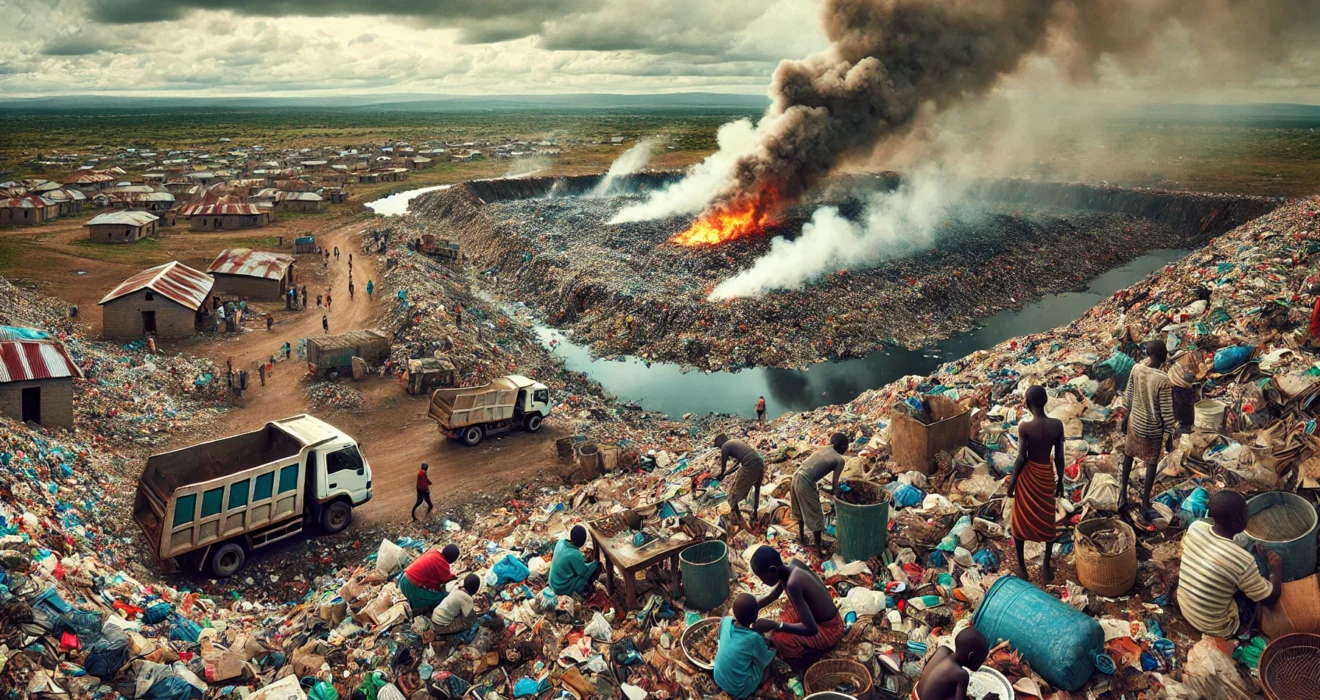
Landfills in Kenya, especially in major cities like Nairobi, Mombasa, and Kisumu, have become critical sites for waste management. However, they are often poorly managed, lacking the necessary infrastructure for safe waste disposal. In Nairobi, for example, the Dandora dump site, one of the largest and most infamous landfills in the country, has been a focal point for environmental concerns. Overcrowded, unregulated, and located close to residential areas, the Dandora landfill is just one of many examples of how Kenya’s waste disposal system is failing to adequately protect both human health and the environment.
Kenya’s landfills primarily consist of household waste, industrial waste, agricultural by-products, and plastic waste. While the introduction of a plastic bag ban in 2017 was a step in the right direction, plastic pollution remains rampant, contributing to the overburdening of landfills. Additionally, the lack of efficient recycling and waste segregation practices means that large volumes of waste are simply dumped into these landfills without regard for their potential environmental impacts.
Environmental Degradation: How Landfills Are Polluting the Land
Landfills in Kenya contribute to significant environmental degradation, particularly in terms of soil and groundwater contamination. When waste is improperly managed and left to decompose in landfills, it leaches toxic substances into the surrounding environment. Heavy metals from electronics, hazardous chemicals from industrial waste, and organic waste that breaks down anaerobically can all seep into the soil, rendering it unfit for agriculture and posing serious health risks.
At the Dandora landfill, for instance, the surrounding soil is heavily contaminated with toxic materials. The decomposing waste releases methane—a potent greenhouse gas—into the atmosphere, contributing to climate change. Methane emissions from landfills are a serious environmental concern because they not only contribute to global warming but also pose a risk to nearby communities. When methane accumulates in high concentrations, it can lead to explosions or fires, further exacerbating the dangers posed by these sites.
In addition to soil contamination, landfills also contribute to air pollution. The burning of waste in landfills, often due to inadequate waste disposal systems, releases harmful chemicals such as dioxins, furans, and particulate matter. These pollutants can affect the respiratory health of nearby residents, particularly children and the elderly, and contribute to wider air quality issues in urban areas.
Health Risks: Impact on Local Communities
Local communities living in proximity to landfills are exposed to a wide range of health risks due to the pollutants released from decomposing waste. The Dandora landfill, for example, is located near several residential areas, including schools and informal settlements. Residents living near these sites are at constant risk of inhaling toxic gases, particularly methane, which can cause headaches, nausea, dizziness, and long-term respiratory problems. Children, who are more vulnerable to the effects of air pollution, are particularly at risk in these areas.
In addition to air pollution, landfill sites are breeding grounds for disease-carrying pests, such as rats and flies, which can spread infections like cholera, typhoid, and malaria. The contamination of water sources from leachate—a toxic liquid produced when rainwater seeps through waste—poses further health risks. Communities relying on nearby rivers or wells for drinking water are often exposed to these contaminants, which can lead to gastrointestinal diseases and other waterborne illnesses.
Another significant health risk linked to landfills is the exposure to hazardous waste materials. Informal waste pickers, who often scavenge landfills for recyclable materials, are exposed to sharp objects, chemicals, and other dangerous substances. Many of these individuals, who are often from disadvantaged communities, face increased risks of injury and chronic illness due to the hazardous conditions in the landfills.
The Economic Impact: Loss of Livelihoods and Local Development
The presence of landfills near residential areas or important natural resources can also have detrimental economic effects. For local communities, the degradation of the environment can lead to a loss of livelihoods, particularly for those who depend on agriculture and fishing. Contaminated soil and water reduce crop yields and destroy aquatic ecosystems, undermining the income of farmers and fishermen.
In rural areas where farming is the primary source of income, the contamination of land with toxic waste makes it increasingly difficult to grow crops. As a result, local farmers may face reduced harvests, declining food security, and rising poverty. Similarly, in coastal regions where fishing is vital, the pollution of water bodies and rivers by waste dumped in landfills significantly affects fish populations, leading to a reduction in catches and loss of income for fishermen.
In urban areas, the presence of poorly managed landfills can discourage investments and development. Potential investors may be hesitant to invest in properties near landfills due to concerns about environmental contamination, health risks, and the negative aesthetic impact of waste sites. Consequently, local economies are hindered by the adverse effects of landfills, as the surrounding areas become less desirable for both business and residential development.
The Strain on Kenya’s Waste Management System
One of the primary reasons for the growing impact of landfills in Kenya is the inadequate waste management system. In many urban areas, waste collection and disposal infrastructure is poorly developed, and there is a lack of awareness among citizens about waste segregation and recycling. As a result, much of the waste generated in Kenya ends up in open dumps or landfills, rather than being diverted to recycling programs or repurposed in sustainable ways.
Kenya’s landfills are also overwhelmed by the volume of waste generated, leading to their rapid expansion and exacerbating their environmental and health impacts. Without the necessary capacity for waste treatment, landfills continue to grow, further contributing to pollution and environmental degradation.
The government has taken steps to address waste management issues, such as the plastic bag ban and initiatives to promote recycling, but these measures are not enough. More investment is needed in waste management infrastructure, including the construction of modern landfills with proper waste treatment systems, as well as the implementation of national waste segregation and recycling programs.
Potential Solutions: Sustainable Alternatives to Landfills
To mitigate the negative impacts of landfills on local communities and the environment, Kenya must prioritize sustainable waste management practices. One key solution is the expansion of recycling programs to reduce the amount of waste that ends up in landfills. By encouraging both individuals and businesses to segregate and recycle their waste, Kenya can significantly reduce the volume of waste sent to landfills, minimizing pollution and extending the lifespan of existing waste disposal sites.
Additionally, waste-to-energy technologies can help manage waste more effectively while generating renewable energy. By converting waste into biogas or electricity, Kenya can reduce the burden on landfills and create a more sustainable waste management system. Waste-to-energy systems also reduce the harmful greenhouse gas emissions associated with landfill waste, contributing to Kenya’s climate change mitigation efforts.
Another promising solution is composting organic waste, which makes up a significant portion of landfill contents. Composting can reduce methane emissions from landfills, improve soil quality, and provide a sustainable source of fertilizer for agricultural use.
Finally, the government should invest in the development of sanitary landfills with proper containment measures to prevent soil and groundwater contamination. Additionally, community engagement and education about waste management and recycling should be prioritized to ensure that local communities play an active role in waste reduction and sustainable disposal practices.
Conclusion: A Call for Action on Waste Management
The growing impact of landfills in Kenya on local communities and the environment requires urgent attention and action. Without effective waste management policies and systems, landfills will continue to expand, posing serious risks to public health, biodiversity, and economic well-being. By adopting sustainable waste management practices, improving waste collection infrastructure, and promoting recycling, Kenya can address the environmental challenges posed by landfills and create a cleaner, healthier, and more sustainable future for all.


