
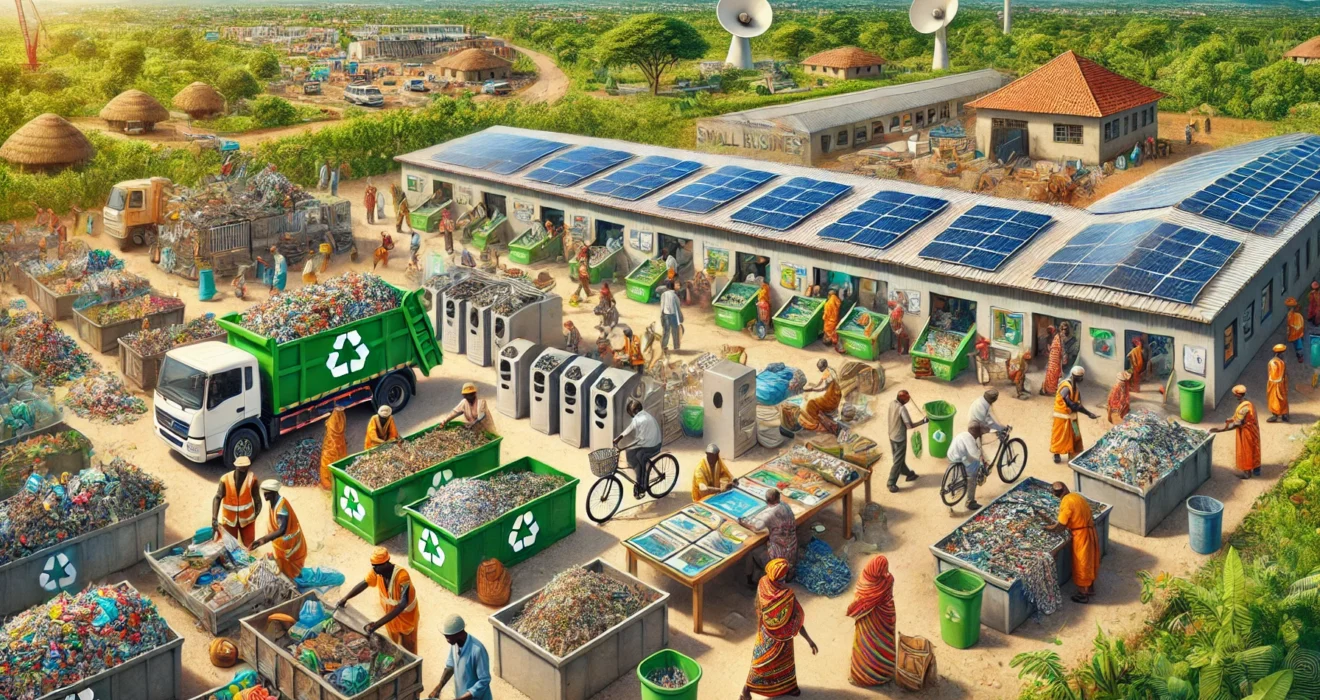
How Waste Management Can Create Jobs and Drive Development in Kenya
Introduction: The Growing Importance of Waste Management in Kenya
In Kenya, the challenge of waste management is not only an environmental concern but also an economic opportunity. With a rapidly growing urban population, particularly in cities like Nairobi, Mombasa, and Kisumu, waste generation has risen significantly, putting immense pressure on existing waste management systems. However, amidst this challenge lies a tremendous opportunity: transforming waste into valuable resources through innovative waste management practices can create jobs, foster economic growth, and contribute to sustainable development.
As Kenya moves toward a more sustainable and circular economy, waste management can play a pivotal role in reducing environmental pollution, conserving natural resources, and fostering a green economy. The waste sector can become a major driver of employment, entrepreneurship, and infrastructure development, especially for Kenya’s youth and underserved communities. This article will explore the potential of waste management as a job creator and economic driver in Kenya, highlighting key areas where waste management can transform both local economies and the national development agenda.
The Current Waste Management Landscape in Kenya
Kenya’s waste management system is still in its infancy, particularly in terms of infrastructure, technology, and public awareness. According to the Kenya National Waste Management Strategy (2015), over 4,000 tons of waste are generated every day in urban centers, with Nairobi alone producing about 2,400 tons daily. The waste stream is diverse, consisting of organic waste, plastics, e-waste, industrial waste, and construction debris. Despite this high volume of waste, only a small fraction is properly managed, with much of it ending up in landfills, illegal dumpsites, or being burned in open areas.
This situation presents an urgent need for improved waste management strategies, infrastructure, and systems. However, it also presents an opportunity to create a waste management industry that can address these gaps, generate employment, and contribute to the local economy. By adopting modern waste management techniques, Kenya can take significant steps toward addressing its waste problem while simultaneously driving economic development and job creation.
Job Creation through Recycling and Waste Processing
One of the most significant opportunities within the waste management sector in Kenya is the potential for job creation through recycling and waste processing. The recycling industry involves collecting, sorting, and processing recyclable materials such as plastics, glass, paper, and metals into usable products. In Kenya, the recycling market is still in its nascent stages, with significant untapped potential for growth.
The informal waste sector in Kenya, which includes waste pickers and recyclers, already plays a vital role in collecting and recycling materials, but these workers often face hazardous working conditions, low wages, and lack of job security. Formalizing the recycling industry could create a range of jobs, from waste collection and sorting to the operation of recycling plants and the production of goods made from recycled materials. By setting up more recycling facilities, Kenya could tap into the global demand for recycled materials and create thousands of jobs in the process.
For example, companies like Ecoplastile in Nairobi have already begun producing products like paving tiles from recycled plastic waste. By scaling such initiatives, Kenya can develop a robust recycling sector that not only creates jobs but also reduces the environmental impact of waste and provides affordable materials for construction, paving, and other industries.
In addition to traditional recycling, Kenya has an opportunity to develop advanced recycling technologies, such as waste-to-energy (WTE) systems, which can convert non-recyclable waste into electricity or other forms of energy. These technologies could further expand job creation in the energy sector while reducing reliance on fossil fuels.
Formalizing the Informal Waste Sector
The informal waste sector in Kenya is a vital part of the waste management system, but it operates largely outside of the formal economy. Informal waste collectors, often referred to as waste pickers, sort and collect recyclable materials from landfills, streets, and waste bins. These workers are typically untrained, unprotected, and poorly paid, but they play an essential role in keeping Kenya’s urban areas clean and diverting waste from landfills.
By formalizing the informal waste sector, Kenya can create a more organized and efficient waste management system. This would involve integrating waste pickers into the formal economy, providing them with training, safety equipment, and fair wages. With proper incentives, informal waste collectors could contribute even more to waste reduction and recycling efforts, while also improving their own livelihoods.
Formalizing the informal sector would also contribute to the creation of sustainable jobs in areas such as waste collection, sorting, and transportation. As waste pickers are organized into cooperatives or employed by formal waste management companies, they would be able to access better working conditions, health benefits, and training opportunities. This would not only reduce poverty and unemployment in low-income communities but also increase the efficiency of waste management systems.
Waste-to-Energy: A Growing Sector for Jobs and Development
Waste-to-energy (WTE) technologies represent another promising avenue for job creation and economic development in Kenya. WTE technologies involve converting non-recyclable waste into energy, usually through processes like incineration, gasification, or anaerobic digestion. In Kenya, there is a growing interest in developing WTE projects as a means to reduce the volume of waste sent to landfills while simultaneously generating electricity.
The potential for job creation in the WTE sector is significant. WTE plants require skilled workers in fields such as engineering, waste management, environmental science, and operations. The construction and maintenance of WTE plants also create jobs in construction, logistics, and plant operations. Furthermore, WTE projects can contribute to Kenya’s energy goals by providing an additional source of renewable energy, reducing dependence on imported fossil fuels, and contributing to the national grid.
The Nairobi Waste-to-Energy Project, for example, is one of Kenya’s most notable initiatives aimed at converting waste into electricity. Once fully operational, it is expected to generate up to 700 megawatts of power from the city’s waste. The project has the potential to create hundreds of jobs, both directly and indirectly, in the areas of waste collection, transportation, energy generation, and maintenance.
Green Entrepreneurship: New Business Opportunities in Waste Management
The waste management sector is also a fertile ground for entrepreneurship, with numerous business opportunities arising from the need to manage waste more effectively. Green entrepreneurs are already capitalizing on the demand for sustainable solutions to waste-related problems. These include businesses that produce eco-friendly products from recycled materials, provide waste management services to local governments, or develop waste processing technologies.
For instance, companies like TakaTaka Solutions in Nairobi provide waste collection and recycling services to residential and commercial clients. Such businesses create employment not only in waste management but also in logistics, customer service, and business operations. Similarly, businesses that specialize in composting organic waste, such as Kokoto Limited, are creating sustainable solutions to manage food waste and provide organic fertilizers to local farmers.
Additionally, the waste economy offers opportunities for startups to develop new technologies and innovations. These could include solutions for waste tracking, sorting, or processing, or for creating value-added products from waste. By supporting green entrepreneurs, Kenya can foster a culture of innovation and contribute to the development of a sustainable and circular economy.
The Role of Government and Policy in Driving Job Creation
For the waste management sector to fully realize its potential as a driver of job creation and economic development, the Kenyan government must play a central role in creating the necessary policies, regulations, and infrastructure. The government can incentivize investment in waste management technologies by providing tax breaks or subsidies to companies that invest in recycling, waste-to-energy, or waste reduction initiatives.
Furthermore, the government can support the creation of green jobs through its national development plans, such as the Big Four Agenda and the Kenya Vision 2030. These frameworks emphasize the importance of sustainable development and can be used to integrate waste management initiatives into broader economic and environmental goals. By prioritizing waste management in policy and legislation, the government can stimulate growth in the sector and create an enabling environment for job creation.
Education and training programs in waste management and environmental conservation will also be key to building a skilled workforce for the industry. By investing in vocational training and university programs focused on waste management, Kenya can equip its young people with the skills needed to thrive in this growing sector.
The Economic and Environmental Impact of Waste Management
Aside from the creation of jobs, the waste management sector can have significant positive impacts on the environment and the economy. Proper waste management reduces pollution, conserves natural resources, and improves public health by preventing the spread of disease through improper waste disposal. Additionally, the reduction of waste in landfills helps mitigate the harmful effects of land degradation and greenhouse gas emissions.
The economic impact of improved waste management practices is also considerable. By creating a more efficient waste management system, Kenya can reduce the costs associated with waste disposal and the environmental damage caused by waste mismanagement. Moreover, the recycling industry can create valuable export opportunities, particularly in the international market for recycled materials.
Conclusion: A Path to Job Creation and Sustainable Development
Waste management is not just a solution to environmental problems; it is an opportunity for economic development, job creation, and sustainability in Kenya. By embracing recycling, waste-to-energy technologies, and the formalization of the informal waste sector, Kenya can transform waste management into a thriving industry that provides jobs, promotes entrepreneurship, and contributes to sustainable development.
As Kenya continues to urbanize and its population grows, the need for effective waste management systems will only increase. However, by tapping into the opportunities within the waste economy, the country can turn this challenge into an asset, benefiting local communities, the economy, and the environment. With the right policies, investments, and public support, Kenya can unlock the full potential of its waste sector and pave the way for a cleaner, greener, and more prosperous future.


