

Proper Waste Management Practices for Our Community
Introduction
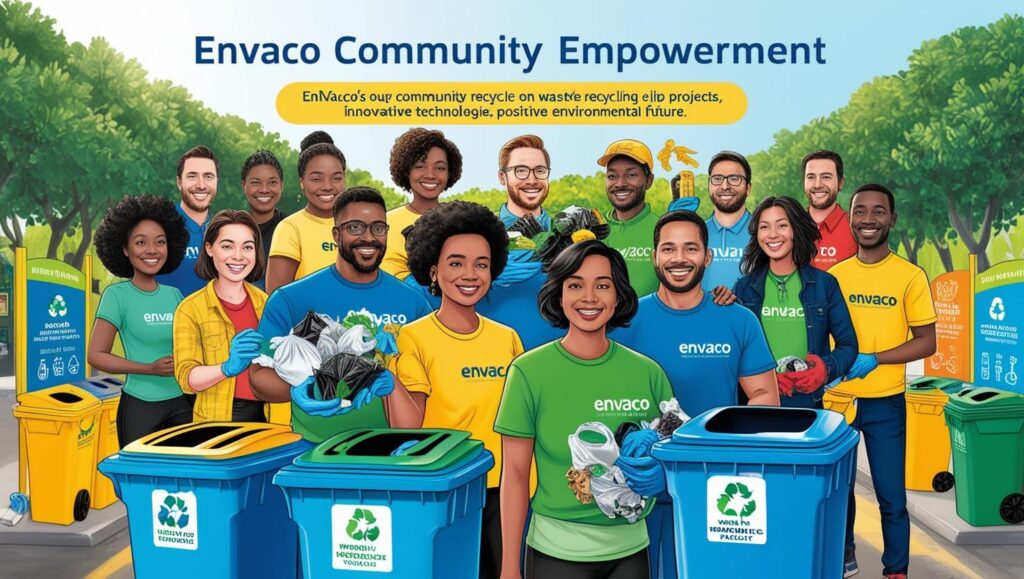
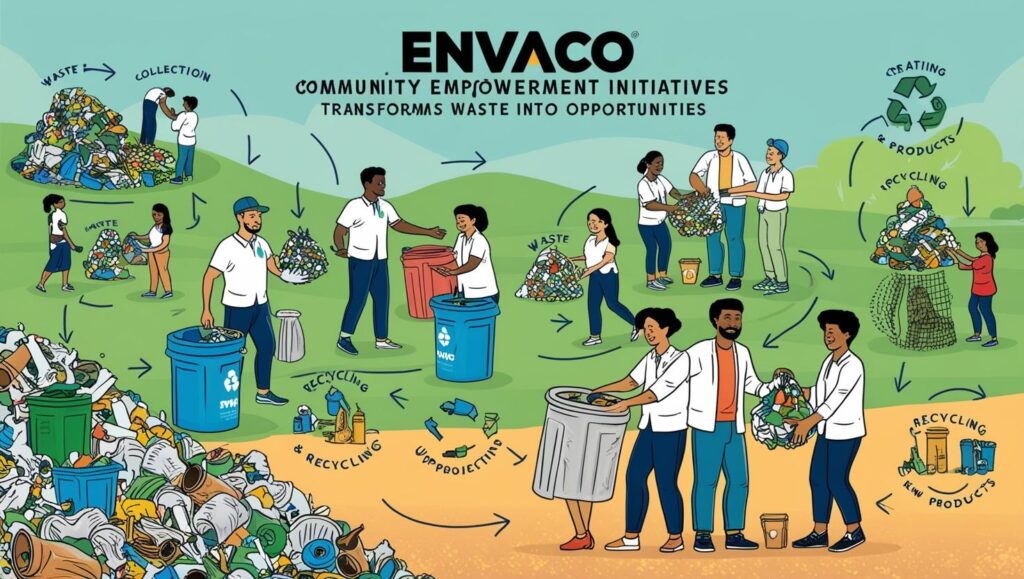
At ENVACO, we are committed to promoting sustainable waste management practices in Kenya. Our mission is to minimize environmental harm, maximize recycling efforts, and repurpose organic waste for community benefits. Poor waste management impacts health, the environment, and our economy. Organic waste, if handled correctly, is a valuable resource for compost, animal feed, and energy production.
Our Approach to Community Awareness
We partner with diverse community groups to promote sustainable practices. Our approach includes conducting educational workshops, demonstrations, and capacity-building programs tailored to the specific needs of each group. Below are the key groups we work with and our customized strategies:
Households
Challenges: Lack of knowledge on segregation and composting.
What We Do:
- Teach waste segregation techniques.
- Demonstrate easy home composting methods.
- Share tips to reduce food waste.
Results: Empower families to reduce waste and create compost for gardening.
Farmers and Agricultural Groups
Challenges: Over-reliance on chemical fertilizers and lack of organic waste utilization.
What We Do:
- Provide training on composting for natural fertilizer.
- Share methods for using organic waste as animal feed.
- Highlight benefits for soil health and crop yields.
Results: Increased productivity and reduced farming costs.
Business Owners (Restaurants, Markets, Food Processors)
Challenges: High levels of organic waste in operations.
What We Do:
- Help businesses implement waste separation systems.
- Connect them with recycling and composting partners.
- Demonstrate cost-saving benefits of reducing waste.
Results: Lower waste disposal costs and improved environmental reputation.
Educational Institutions (Schools and Colleges)
Challenges: Limited awareness and infrastructure for waste management.
What We Do:
- Conduct interactive workshops and activities for students.
- Guide schools in setting up composting projects.
- Encourage students to become waste ambassadors in their communities.
Results: Foster a generation of environmentally conscious citizens.
Local Government and Community Leaders
Challenges: Inadequate policies and community participation.
What We Do:
- Offer policy recommendations based on global best practices.
- Assist in setting up community composting and recycling initiatives.
- Organize awareness campaigns to engage the public.
Results: Stronger waste management policies and increased community involvement.
Waste Collectors and Handlers
Challenges: Lack of training and resources for proper waste handling.
What We Do:
- Provide training on safe handling and sorting of organic waste.
- Supply tools and resources for better waste collection.
- Build partnerships with businesses and households to streamline processes.
Results: Improved efficiency and safer working conditions.
Non-Governmental Organizations (NGOs) and Environmental Groups
Challenges: Limited collaboration and innovative approaches.
What We Do:
- Facilitate partnerships for joint community projects.
- Share insights from our research on waste management innovations.
- Advocate for circular economy principles.
Results: Greater collective impact and resource sharing.
Religious and Social Groups
Challenges: Lack of engagement in environmental initiatives.
What We Do:
- Emphasize waste management as a moral responsibility.
- Collaborate on clean-up and composting events.
- Provide resources and training for their members.
Results: Stronger social bonds and cleaner environments.
Youth and Community Volunteers
Challenges: Limited opportunities for meaningful involvement.
What We Do:
- Engage youth in neighborhood clean-ups and awareness campaigns.
- Train them in composting and recycling techniques.
- Use social media to amplify their efforts.
Results: Energetic and tech-savvy environmental champions.
Urban vs. Rural Communities
- Urban Communities:
- Focus on small-space solutions like vermicomposting and rooftop gardens.
- Promote community gardens using composted waste.
- Rural Communities:
- Encourage large-scale composting.
- Emphasize using recycled waste as animal feed and natural fertilizer.
Conclusion
Proper waste management is a shared responsibility, and organic waste is a resource, not a burden. At ENVACO, we are here to guide, support, and collaborate with all groups to create a cleaner, healthier community. Join us in taking the first step by implementing these practices in your home, workplace, or community.
Call to Action
Let us work together to create a sustainable future. Reach out to us to learn more or to join our initiatives:
- Email: contact@envaco.org
- Website: www.envaco.org
Together, we can make a difference!


