
The Transformative Role of Recycling and Waste Management Conferences
Introduction
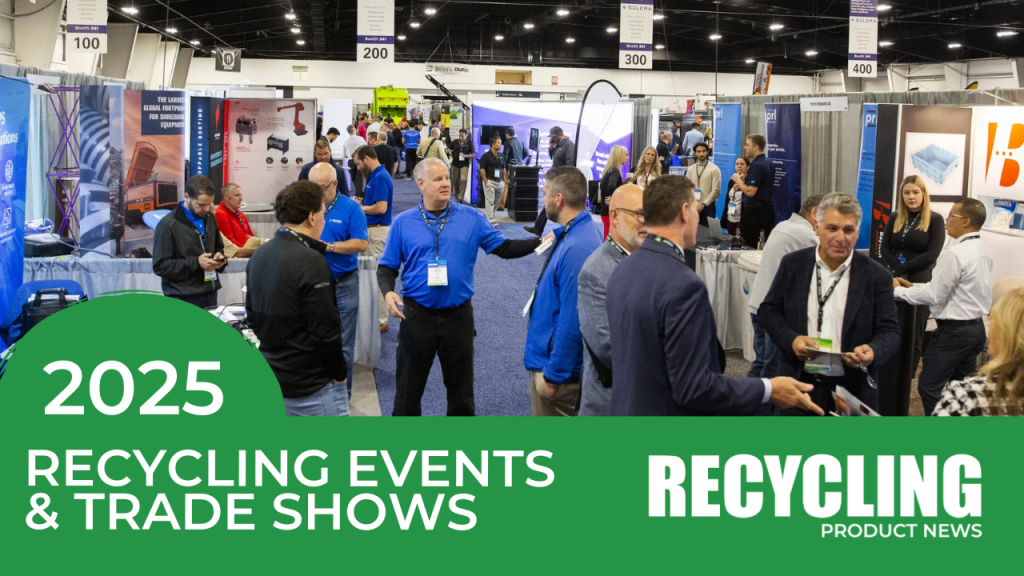
Recycling and waste management have emerged as pressing environmental, economic, and social issues in Kenya, propelled by rapid urbanization, increased consumerism, and environmental degradation. In response, a series of national and regional conferences have been convened in recent years to explore sustainable waste management models, promote innovation, and cultivate partnerships. These conferences have not only created forums for dialogue but have also influenced policies, galvanized private sector participation, and nurtured grassroots initiatives.
This article explores the role played by these conferences in shaping the waste management landscape in Kenya, examining their impact, composition, accessibility, follow-ups, and how they can be made more effective in the future.
The Purpose and Power of Recycling Conferences
Waste management conferences serve as a convergence point for stakeholders across the waste value chain—policymakers, recyclers, manufacturers, development partners, researchers, civil society groups, and youth innovators. The core objectives of these conferences are to:
- Share best practices and case studies from around the world,
- Advocate for policy reform and Extended Producer Responsibility (EPR),
- Encourage public-private partnerships,
- Highlight innovations in circular economy practices,
- Educate the public and private sector on sustainable alternatives.
Key examples include:
- Circular Economy Conference by Sustainable Inclusive Business (SIB Kenya): An annual event that emphasizes inclusive and sustainable systems.
- RAA Recycling B2B Conference: A platform that brings together recycling businesses and policy actors for knowledge exchange and networking.
- Africa E-Waste Conference: Focused on managing electronic waste responsibly, aligned with the national e-waste strategy.
- Propak East Africa: A broader trade show integrating recycling technologies, sustainable packaging, and EPR discussions.
Through these platforms, attendees gain exposure to technological advancements, learn about innovative recycling models, and connect with potential partners and investors.
Who Attends These Conferences? Are They the Right People?
The effectiveness of a conference largely depends on who is in the room. Ideally, attendees should represent a full cross-section of the ecosystem:
- Government and Regulators (e.g., NEMA, Ministry of Environment),
- County Governments, especially urban ones like Nairobi, Mombasa, and Kisumu,
- Recyclers and Waste Pickers Associations,
- Private Sector and Manufacturers,
- Start-ups and Green Entrepreneurs,
- Academia and Research Institutions,
- NGOs and Donor Agencies,
- Community-Based Organizations (CBOs).
In many cases, these groups are indeed represented, especially at flagship events like the Circular Economy Conference and the Africa E-Waste Conference. For instance, during the 2024 Africa E-Waste Conference, stakeholders from 14 countries, including government officers, Samsung, WEEE Centre, and the Basel Convention Regional Centre participated.
However, there are recurring gaps:
- Informal sector players (e.g., youth waste pickers, small-scale recyclers) are often underrepresented.
- Attendance from county governments tends to vary, despite their critical role in implementing waste policies.
- Local farmers and small industries, especially those affected by or involved in organic waste and feed systems, are rarely engaged directly.
Approach to Engagement and Inclusivity
Many conference organizers use formal invitations, professional networks, or partner institutions to invite participants. Key approaches include:
- Email campaigns to sector professionals,
- Partnerships with industry bodies like the Kenya Association of Manufacturers (KAM),
- Social media and LinkedIn campaigns,
- Paid registration portals (e.g., Eventbrite, Propak registration).
While these methods are efficient, they often exclude low-income stakeholders, informal workers, and community-level champions who may not have access to such platforms or the financial ability to attend.
Should Conferences Be Free for Stakeholders?
This question is central to the inclusivity and effectiveness of such forums. Currently, most industry conferences in Kenya charge attendance fees, especially for private sector participants. These fees range from KES 1,000 to KES 20,000 per person depending on the scale and exclusivity of the event.
While fees may help offset logistical costs and ensure quality, they present barriers to entry for:
- Waste pickers and small-scale recyclers,
- Grassroots community leaders,
- Youth-led enterprises and university students,
- Small NGOs operating on lean budgets.
To foster inclusion and maximize societal impact, organizers should consider:
- Offering sponsored slots for marginalized groups,
- Waiving fees for students and community-based organizations,
- Partnering with county governments to sponsor local delegates,
- Hybrid event models (physical + virtual) to reach wider audiences.
What Happens After the Conferences? Is There Follow-Up?
Follow-up mechanisms remain a significant weakness of Kenya’s waste-related conferences. Although event summaries, communiqués, and recommendations are often published post-event, the implementation of these insights into practice remains inconsistent.
Key challenges include:
- Lack of accountability: Many conferences conclude with action plans, but there’s no tracking system for progress.
- Weak institutional memory: Changes in leadership, especially in government and NGOs, derail continuity.
- Fragmented coordination: Multiple conferences happen in silos, with minimal synergy or shared databases.
That said, there are examples of positive follow-up:
- Kenya Plastics Pact, a multi-stakeholder platform, emerged in part due to consistent conference conversations. It continues to drive industry-wide plastic packaging reform.
- KEPRO (Kenya Extended Producer Responsibility Organization), which supports manufacturers in implementing EPR, was strongly championed through dialogues and presentations made at conferences hosted by KAM and others.
- SIB Kenya’s Circular Economy Innovation Awards often lead to incubation or funding of top circular ideas presented during the conferences.
Real Impact or Talk Shops?
Critics argue that some conferences have become repetitive “talk shops” without translating ideas into scalable impact. However, this view underestimates the soft power of these platforms:
- Policy Influence: Drafts for Kenya’s Sustainable Waste Management Act (2022), EPR Guidelines (2021), and County Solid Waste Bills were all sharpened through dialogue at these conferences.
- Business Innovation: Several waste-focused startups—e.g., Mr. Green Africa, TakaTaka Solutions, and Chemolex—have gained visibility, investor attention, and strategic partnerships through conference exposure.
- Data Sharing: Research findings on consumer behavior, plastic leakage, and waste characterization presented at forums have informed donor programs and development planning.
The key is to strengthen linkages between conversations, action, and accountability.
Recommendations for Enhancing Conference Effectiveness
To enhance the future impact of Kenya’s recycling and waste management conferences, the following measures are proposed:
1. Broaden Inclusivity and Accessibility
- Offer tiered pricing for diverse stakeholder categories.
- Increase travel support for rural delegates and youth groups.
- Adopt Swahili or multilingual segments for grassroots comprehension.
2. Establish a National Waste Conference Charter
- Develop a national roadmap endorsed across events to track milestones and responsibilities.
- Create a common feedback repository where stakeholders can track implementation of past resolutions.
3. Leverage Technology and Hybrid Platforms
- Stream conferences online to reach a broader audience.
- Use interactive digital tools for surveys, feedback, and virtual booths.
- Share open-access knowledge products, such as policy briefs, training toolkits, and recorded sessions.
4. Ensure Post-Event Monitoring
- Set up an implementation task force after each major conference to review progress biannually.
- Institutionalize partnerships with research organizations and universities to conduct impact assessments.
5. Foster Youth and Informal Sector Leadership
- Dedicate sessions to informal recyclers, youth entrepreneurs, and community leaders.
- Establish “youth & informal champion” awards recognizing unsung heroes in waste innovation.
Conclusion
Kenya’s recycling and waste management conferences have evolved into influential platforms for cross-sector dialogue, policy shaping, and innovation incubation. Despite limitations in inclusivity and post-event follow-up, their role in fostering a circular economy cannot be understated. As the country grapples with escalating waste volumes and climate challenges, these forums must pivot from mere engagement to action, ensuring that every participant—regardless of scale or status—can contribute meaningfully to building a cleaner, greener, and more equitable Kenya.
Future conferences, if designed more inclusively and tracked more rigorously, can become not just forums for dialogue but catalysts for transformation across the country’s waste ecosystem.


