
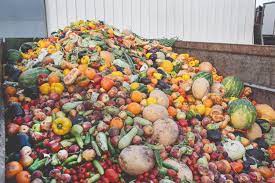
With rapid urbanization, industrialization, and population growth, Kenya’s waste generation has surged, putting immense pressure on existing waste management systems. In urban areas, especially in cities like Nairobi, Mombasa, and Kisumu, the volume of waste exceeds the capacity of formal collection and disposal infrastructure, resulting in waste accumulation on streets, in rivers, and in public spaces. This unmanaged waste threatens public health, harms the environment, and contributes to climate change. As the country grapples with this challenge, it’s clear that sustainable waste management practices are urgently needed to protect both human and environmental well-being.
In this article, we will explore the root causes of Kenya’s waste management crisis, the environmental and social impacts of waste mismanagement, and the opportunities for turning the tide. We will also discuss the need for a collective approach involving the government, businesses, local communities, and citizens to create long-term, sustainable solutions to Kenya’s waste problem.
The Growing Waste Problem in Kenya
Kenya’s population has grown rapidly over the past few decades, with estimates indicating that the country’s population will surpass 70 million by 2030. This population growth, along with rising urbanization, has led to an increase in the volume of waste generated, especially in major urban centers. In Nairobi alone, it’s estimated that the city produces more than 2,500 tons of waste per day, a significant portion of which is not collected or properly disposed of.
Waste management in Kenya is further complicated by the lack of comprehensive waste management infrastructure in informal settlements, where millions of people live in overcrowded conditions without access to basic services. In these areas, waste is often disposed of indiscriminately in open dumps, streets, or rivers. Additionally, the growing consumption of single-use plastics, food packaging, and other non-biodegradable materials has only exacerbated the problem, creating long-lasting waste that is difficult and costly to manage.

While Kenya has made strides in waste management in recent years, including the nationwide plastic bag ban in 2017, these efforts are not enough to address the scale of the problem. The government and local authorities are still struggling to provide adequate waste collection services to meet the growing demand, and many areas lack proper waste segregation systems. Furthermore, waste recycling remains limited, with much of the waste generated ending up in landfills.
Environmental and Public Health Impacts of Poor Waste Management
The environmental and public health consequences of poor waste management in Kenya are far-reaching. Waste that is not properly disposed of or collected often ends up in rivers, oceans, and open dumpsites, where it poses serious risks to ecosystems and biodiversity. Plastic waste, in particular, is a major environmental concern, as it takes hundreds of years to decompose. In the meantime, it clogs waterways, pollutes soils, and harms wildlife, both on land and in marine environments.
In urban areas, improperly disposed of waste is often burned, releasing toxic fumes that contribute to air pollution and pose serious health risks to nearby communities. These emissions can exacerbate respiratory illnesses, especially among children, the elderly, and those with pre-existing health conditions. Additionally, uncollected waste accumulates in public spaces, creating unsanitary conditions that breed disease. Flies, rats, and other pests that thrive in garbage are known vectors for diseases such as cholera, typhoid fever, and malaria, making waste mismanagement a public health crisis.
The improper disposal of waste also contributes to the pollution of drinking water sources. In Nairobi, the Nairobi River is one of the most polluted rivers in the region, with tons of untreated waste flowing into it each year. This contaminated water threatens the health of millions of people who rely on it for drinking and other daily needs. The effects of water pollution are not only felt at the local level but can also extend to neighboring regions and countries.
The Role of the Kenyan Government in Waste Management
The Kenyan government has acknowledged the waste crisis and taken some steps toward addressing it. One of the most notable actions has been the introduction of a nationwide ban on plastic bags in 2017, which aimed to curb plastic waste that had become a serious environmental issue. This ban was widely regarded as a step in the right direction, but challenges in enforcement and the prevalence of plastic alternatives have continued to plague waste management efforts.
In addition to the plastic ban, the Kenyan government has introduced a National Waste Management Strategy, which provides a framework for improving waste collection, disposal, and recycling across the country. Local authorities, particularly in Nairobi, have also partnered with private waste management companies to provide waste collection services in urban areas. However, despite these initiatives, waste management infrastructure remains underdeveloped, and many areas still lack adequate waste collection and recycling services.
The government has also struggled with enforcement, particularly in informal settlements where waste disposal practices are often unregulated. In these areas, waste is often burned or dumped illegally, contributing to pollution and health risks. Additionally, waste management services in rural areas are limited, leaving large portions of the population without access to proper waste disposal systems.
While the government’s efforts are important, they are insufficient without the active participation of local communities and the private sector. There is a need for stronger regulatory frameworks, better enforcement of waste management laws, and greater investment in waste infrastructure to address the problem at a national scale.
Challenges in Waste Segregation and Recycling
One of the major challenges in waste management in Kenya is the lack of widespread waste segregation. In many areas, residents dispose of all types of waste together, making it difficult to recycle or repurpose materials. Without proper segregation, recyclables such as plastics, paper, and metals often end up in landfills, where they cannot be reused or processed into new products. The absence of effective recycling systems in many regions further exacerbates the waste problem.
Additionally, there is a lack of awareness about the importance of waste segregation and recycling among the general public. While urban areas like Nairobi have some recycling programs, these are not widespread enough to make a significant impact on waste reduction. The lack of a formalized collection system for recyclables, coupled with limited recycling facilities, means that much of the waste that could be recycled ends up in landfills, contributing to the accumulation of non-biodegradable materials.
Recycling is also hindered by limited infrastructure. Many local authorities and businesses are not equipped with the necessary facilities to process recyclable materials, and the cost of setting up recycling plants is often prohibitive. The lack of incentives for businesses and individuals to engage in recycling also presents a barrier to progress. Without a clear system for sorting, collecting, and processing recyclables, Kenya’s waste management system remains inefficient and unsustainable.
The Role of the Private Sector in Waste Management
The private sector plays a crucial role in improving waste management in Kenya, especially in urban centers. Waste management companies have stepped in to fill the gaps left by local authorities, offering services such as waste collection, sorting, and recycling. These companies are helping to manage the growing volume of waste in cities, but the scale of the problem still outpaces their efforts.
Several private companies have started to innovate by offering waste-to-energy solutions, turning waste into a valuable resource for power generation. This approach not only helps reduce the volume of waste in landfills but also provides a source of renewable energy. Private companies are also involved in the production of eco-friendly alternatives to single-use plastics, which could help reduce the environmental impact of plastic waste in Kenya.
Despite the potential of the private sector, challenges remain. There is a need for more collaboration between waste management companies, local authorities, and communities to create a cohesive and efficient waste management system. Additionally, the lack of financial incentives for businesses to invest in recycling and waste reduction measures continues to limit the effectiveness of private sector initiatives.
Opportunities for Sustainable Solutions
While the waste crisis in Kenya is a pressing issue, there are numerous opportunities for sustainable solutions. One of the most promising areas is the development of a circular economy, where waste is viewed not as garbage but as a resource to be reused, recycled, or repurposed. With the right infrastructure, Kenya could develop a robust recycling industry that would create jobs, reduce environmental impact, and generate economic value from waste.
The growing public awareness of environmental issues also presents an opportunity for change. There is an increasing demand for sustainable products and services, with many consumers seeking to reduce their environmental footprint. This shift in consumer behavior presents an opportunity for businesses to invest in eco-friendly products, reduce packaging waste, and adopt circular economy principles.
Another promising solution lies in the widespread adoption of waste-to-energy technologies, which can help Kenya tackle both waste and energy challenges simultaneously. By converting waste into energy, Kenya could reduce its reliance on fossil fuels and provide electricity to communities that currently lack access to reliable power.
In rural areas, community-based waste management initiatives offer another avenue for change. By involving local communities in waste collection, sorting, and recycling, Kenya can create sustainable waste management systems that meet local needs while reducing waste in the environment.
Conclusion
Kenya’s waste management crisis is a complex issue, but it is not insurmountable. The country has the potential to transform its waste management system through concerted efforts from the government, private sector, and citizens. By investing in infrastructure, raising awareness, and promoting sustainable practices such as recycling and waste-to-energy, Kenya can build a more sustainable future. It is time for all stakeholders to come together and tackle the waste crisis head-on, for the sake of the environment, public health, and future generations.


