
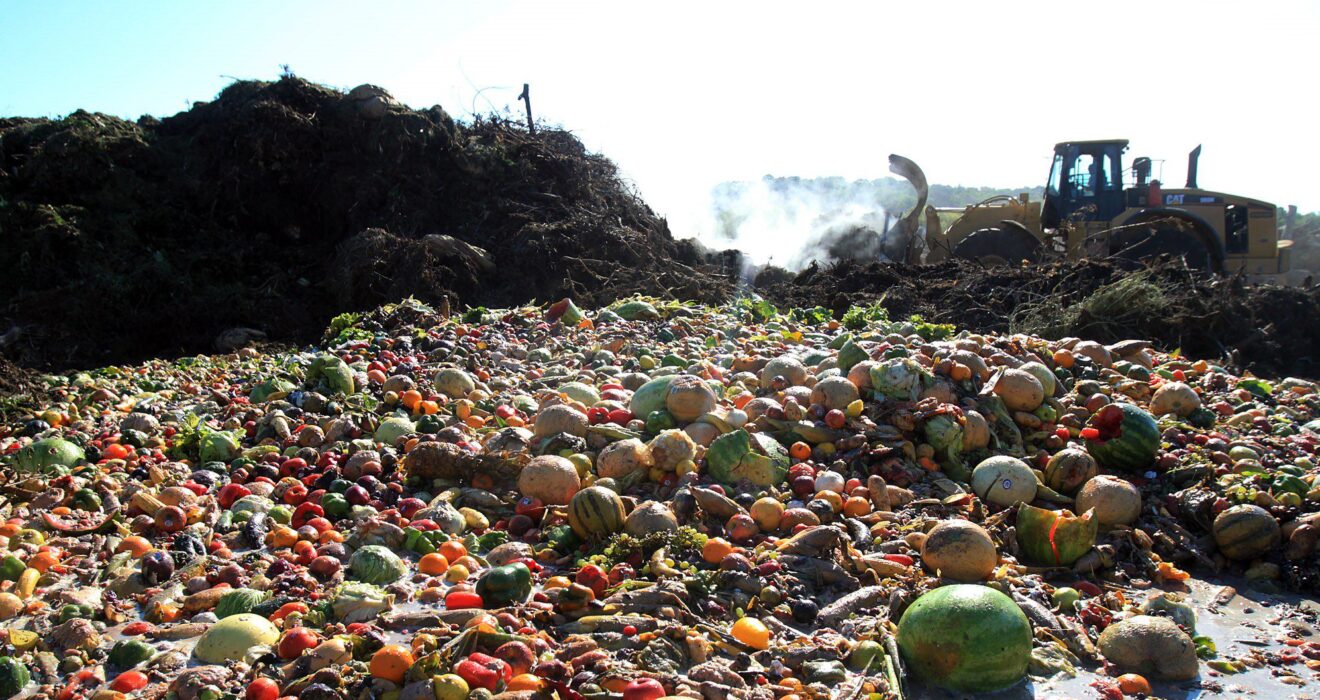
The poor conditions of dumpsites and landfills in Nairobi, particularly at sites like Dandora and other informal dumpsites, have severe environmental, health, social, and economic effects.
Here’s a detailed look at the impact of these conditions:
1. Environmental Effects
- Soil and Water Contamination: Nairobi’s dumpsites lack the proper lining and containment systems needed to prevent leachate from seeping into the ground. Leachate is a toxic liquid that forms as waste decomposes, and it contains harmful chemicals, heavy metals, and pathogens. This contaminated liquid often seeps into the soil and can reach groundwater sources, affecting both soil quality and water safety. Local rivers like the Nairobi River are severely polluted due to runoff from sites like Dandora.
- Air Pollution: Open burning is a common practice at many dumpsites, including Dandora, to reduce waste volume. Burning releases harmful pollutants into the air, such as dioxins, furans, and carbon monoxide. These toxins contribute to poor air quality and increase the risk of respiratory illnesses among nearby residents. Additionally, methane, a potent greenhouse gas, is released during the decomposition of organic waste in anaerobic conditions, contributing to climate change.
- Loss of Biodiversity: Dumping waste without proper management disrupts local ecosystems. Chemicals and toxic substances can harm plant life, while water contamination from leachate endangers aquatic ecosystems. Wildlife that comes into contact with the waste, either directly or indirectly through contaminated water sources, may suffer from poisoning and habitat loss.
2. Health Impacts
- Respiratory Issues: Open burning of plastics and other waste releases harmful chemicals that can cause respiratory issues such as asthma, chronic bronchitis, and other lung diseases. Residents living near dumpsites often suffer from these ailments due to constant exposure to polluted air.
- Infectious Diseases: The accumulation of waste creates breeding grounds for disease vectors like flies, rats, and mosquitoes, increasing the risk of diseases such as malaria, typhoid, cholera, and dysentery. Scavengers who work at dumpsites are particularly at risk of infections from direct contact with medical and hazardous waste.
- Cancer and Long-term Health Risks: Toxic chemicals found in some waste, such as heavy metals (lead, cadmium, and mercury), dioxins, and other carcinogens, are linked to cancer and other long-term health issues. Dandora Dumpsite, for example, has been associated with high cancer rates among local residents due to prolonged exposure to hazardous substances.
- Mental Health Effects: Living near or working at dumpsites can also contribute to mental health issues. People exposed to poor sanitary conditions, health risks, and the stigma associated with dumpsites may experience stress, anxiety, and depression.
3. Social and Economic Effects
- Impact on Local Livelihoods: Many informal waste pickers rely on dumpsites like Dandora to collect recyclable materials that they sell for income. However, the poor conditions at these sites, lack of safety equipment, and exposure to toxic waste put their health and livelihoods at risk. Additionally, informal waste pickers often face social stigma and lack adequate support or recognition.
- Decreased Property Values: The presence of poorly maintained dumpsites reduces property values in surrounding areas, as people are unwilling to live near waste sites due to pollution and health risks. This can have a broader economic impact, as affected areas are less attractive for investment and development.
- Increased Public Health Costs: The health issues associated with poor waste management lead to higher healthcare costs for local communities and strain the public health system. Treating respiratory problems, infections, and chronic diseases related to dumpsite exposure puts additional financial burdens on families and government resources.
- Loss of Tourism Revenue: Nairobi attracts many tourists, but poorly managed dumpsites and environmental degradation can deter visitors. For instance, pollution of the Nairobi River and nearby natural areas reduces the city’s appeal to eco-conscious tourists, impacting Kenya’s tourism revenue.
4. Increased Risk of Fires and Explosions
- Decomposing waste generates gases like methane, which, when combined with the frequent practice of open burning, increases the risk of fires and explosions at dumpsites. These fires can spread uncontrollably and may even reach residential areas, posing a direct danger to people and property. Such fires also release high levels of toxic smoke, further degrading air quality and intensifying health risks for nearby communities.
5. Challenges in Urban Waste Management
- Overflow and Capacity Issues: Nairobi’s primary dumpsites, like Dandora, operate well beyond their intended capacity, leading to overflow and unsanitary waste pile-ups. This makes efficient waste collection and processing difficult, as waste is often scattered across larger areas. Overflowing dumpsites also result in uncontrolled waste spilling into public spaces, streets, and open areas, creating hazards for pedestrians and vehicles.
- Lack of Segregation and Recycling: Poor segregation at dumpsites means that recyclable and biodegradable waste is mixed with hazardous and medical waste. This not only reduces the potential for recycling and composting but also poses health hazards to waste pickers and hampers efforts to implement sustainable waste management practices.
6. Negative Impact on Climate Change
- The anaerobic decomposition of organic waste in open dumpsites produces methane, a greenhouse gas with a global warming potential far greater than carbon dioxide. The significant methane emissions from poorly managed dumpsites like Dandora contribute to Nairobi’s overall carbon footprint and climate change, affecting local weather patterns and ecosystems over time.
- Open dumpsites also contribute to deforestation, as space for waste expansion often comes at the expense of local vegetation. This leads to loss of carbon sinks that could otherwise help offset greenhouse gas emissions.
Addressing the Issues: Current Efforts and Recommendations
To address the severe effects of Nairobi’s poorly managed dumpsites, the city and county government are exploring solutions, though implementation remains challenging. These include:
- Transitioning to Sanitary Landfills: Establishing sanitary landfills with proper lining and leachate treatment systems can help reduce soil and water contamination. There have been plans to replace Dandora Dumpsite with a new, modern landfill, although the process has faced delays.
- Promoting Waste Segregation and Recycling: Encouraging households, businesses, and institutions to separate waste at the source can reduce the amount of waste reaching dumpsites. The government has promoted community recycling programs, but more robust infrastructure and public education are needed.
- Developing Waste-to-Energy Projects: Waste-to-energy plants offer a sustainable way to manage waste while generating electricity. The proposed plant near Dandora could reduce waste volume and provide an alternative energy source, though financial and logistical constraints need to be addressed.
- Strengthening Legislation and Policies: Enforcing stricter waste management regulations and increasing penalties for illegal dumping and open burning could improve waste handling standards. Nairobi County has developed policies aimed at better waste management, but enforcement is often lacking.
- Increasing Public Awareness: Educating the public on the importance of waste reduction, segregation, and recycling can contribute to a cleaner environment. Community-based programs and partnerships with NGOs are also effective in spreading awareness and promoting sustainable practices.
Improving Nairobi’s waste management practices and transitioning to safer, more sustainable methods could significantly reduce the environmental, health, and social impacts of its dumpsites. Investing in these strategies is crucial for creating a healthier, cleaner urban environment for Nairobi’s residents and future generations.


