
Our projects:
Introduction: Addressing the Waste Management Crisis
Waste management is one of the most pressing challenges facing urban and rural communities worldwide. With increasing populations and rising consumption rates, the amount of waste generated is escalating rapidly. However, the key to sustainable waste management lies not just in collecting and disposing of waste but in effectively sorting it at the source. Sorting waste early in the process ensures that recyclable and compostable materials are diverted from landfills, reducing environmental pollution and conserving valuable resources. To this end, our organization is introducing the Green Waste Sorting Initiative, a project designed to help communities manage waste more effectively by providing them with the tools and education needed to sort waste at home, in institutions, and in businesses.
The initiative aims to simplify waste sorting by providing green bags to households, apartments, institutions, and hotels. These bags will serve as a simple yet powerful tool for separating organic waste from recyclables and other waste types. Alongside the distribution of the bags, the project will include an educational component to ensure that the community understands the importance of sorting waste and how to do it properly. Through this initiative, we aim to empower individuals, families, and organizations to take an active role in waste reduction and environmental stewardship.
The Importance of Waste Sorting at the Source
Waste sorting at the source is a critical practice in any sustainable waste management system. By segregating waste materials early on, we reduce contamination in the recycling and composting streams, making it easier to process these materials and turn them into new products. For instance, food scraps and organic waste can be composted to enrich soil, while recyclables like plastics, paper, and metals can be repurposed into new goods, saving natural resources and energy. However, the success of recycling and composting programs depends heavily on individuals and businesses sorting their waste correctly at the point of generation.
The act of sorting waste may seem simple, but it requires the right tools, awareness, and community participation. Unfortunately, many communities lack the infrastructure and knowledge to sort waste effectively. People often throw everything into one trash bag, leading to contamination that makes recycling or composting almost impossible. By providing the community with clear, accessible tools like green bags, we aim to make waste sorting as easy as possible. Additionally, the educational component of this project will ensure that everyone involved understands why sorting is necessary and how it contributes to a cleaner environment.
The Green Waste Sorting Bags: A Simple but Effective Solution
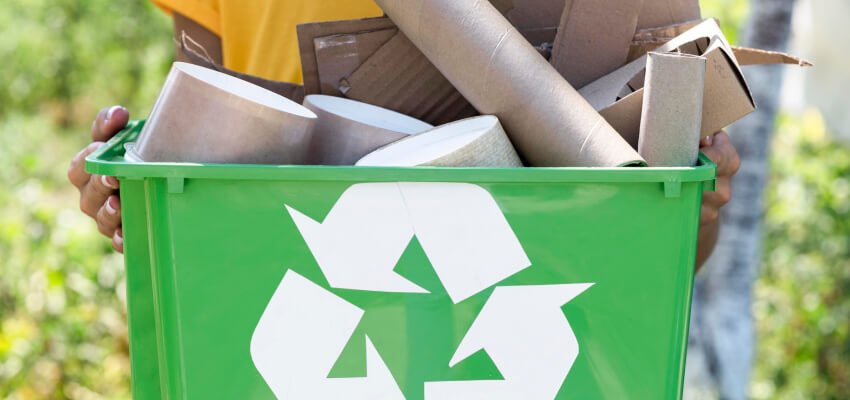
The core component of the Green Waste Sorting Initiative is the distribution of special green bags designed to facilitate waste sorting. These bags will be distributed to households, apartments, institutions, and hotels, where they will serve as a designated container for specific types of waste. For instance, one green bag will be used for organic waste such as food scraps, while another will be designated for recyclables like paper, plastics, and metals. The green bags will be durable, easy to use, and clearly marked to ensure that the community knows what waste belongs in each bag.
The green bags are an important part of making waste sorting simple and accessible. They provide a clear and practical solution to the challenge of separating different waste types. By making waste segregation easier, these bags will encourage participation in recycling and composting efforts. The bags will also make it easier for waste collection services to sort and process waste once it has been properly segregated. With these bags, the community will have a straightforward and effective tool to implement waste sorting practices.
Educating the Community: Changing Mindsets for a Sustainable Future
While providing the right tools is crucial, it is equally important to educate the community about the need to sort waste at the source. Many people are not fully aware of the environmental benefits of waste sorting or the consequences of not doing so. Our educational efforts will focus on raising awareness about the importance of waste reduction, recycling, and composting. We will organize workshops, community outreach programs, and awareness campaigns to engage people in the practice of waste sorting.
The educational component will address key issues such as the environmental impact of waste mismanagement, the benefits of reducing landfill waste, and the role individuals and communities play in creating a cleaner, healthier environment. By reaching out to schools, local institutions, businesses, and residential areas, we will ensure that the message of waste sorting reaches a broad audience. In addition to spreading awareness, we will also provide practical tips and guidance on how to sort waste effectively. This education will not only encourage people to take action but also inspire a culture of sustainability that extends beyond the scope of this project.
Food Waste Dryer and Feeding Complete Equipment.
Collaboration with Local Governments and Institutions
The success of the Green Waste Sorting Initiative relies heavily on collaboration with local governments, waste management companies, and other stakeholders. We will work closely with local authorities to ensure that the green bags are distributed effectively and that the community has access to the necessary waste management infrastructure, such as collection points for segregated waste. Collaboration with local waste collection companies is also crucial to ensure that the segregated waste is properly processed and recycled.
In addition to these partnerships, we will seek to engage businesses and institutions in the initiative. Hotels, schools, and offices generate significant amounts of waste, and by providing them with green bags, we can help them manage their waste more sustainably. This will not only reduce the environmental impact of these institutions but also serve as an example for the wider community. By involving key stakeholders in the project, we can ensure that the initiative is as far-reaching and impactful as possible.
Tracking Progress and Measuring Success
To ensure the success of the Green Waste Sorting Initiative, we will implement a system for tracking progress and measuring the impact of the project. This will involve monitoring the amount of waste sorted by households, institutions, and businesses, as well as tracking the volume of waste diverted from landfills. We will also conduct surveys and gather feedback from participants to assess their satisfaction with the green bags and their understanding of waste sorting practices.
Regular follow-up and assessment will allow us to identify any challenges or areas for improvement in the project. By tracking key metrics, we will be able to measure the effectiveness of the initiative in terms of waste reduction, increased recycling rates, and improved community engagement. This data will also help us make informed decisions about expanding the project to other areas or modifying the approach to ensure greater success in the future.
Long-term Benefits of Waste Sorting for the Community
The Green Waste Sorting Initiative is not just about providing bags and education; it is about creating long-term positive changes in the community. By teaching people to sort their waste, we are fostering a culture of sustainability that can have lasting benefits for the environment. Sorting waste at the source reduces the amount of waste that ends up in landfills, which not only helps conserve space in landfill sites but also reduces harmful emissions from decomposing waste.
Furthermore, by increasing recycling and composting rates, the project will contribute to the local economy by creating new markets for recycled materials and organic compost. These materials can be reused to create new products, reducing the need for virgin resources and helping conserve natural habitats. In the long run, waste sorting will lead to cleaner streets, healthier living environments, and a more sustainable future for all.
Conclusion: A Cleaner, Greener Future Starts with Waste Sorting
The Green Waste Sorting Initiative is a crucial step toward improving waste management practices in our community. By providing green bags for waste sorting, educating the community on the importance of waste separation, and fostering collaboration with local stakeholders, we aim to make waste sorting a standard practice for everyone. This initiative will not only reduce the environmental impact of waste but also empower individuals and communities to take charge of their own waste management.
As the project progresses, we hope to inspire others to adopt similar practices, creating a ripple effect that can lead to widespread change. The success of this project depends on the active participation of the community, and we are committed to ensuring that everyone has the tools, knowledge, and support they need to sort their waste effectively. With the Green Waste Sorting Initiative, we are working toward a cleaner, healthier, and more sustainable future for all.