
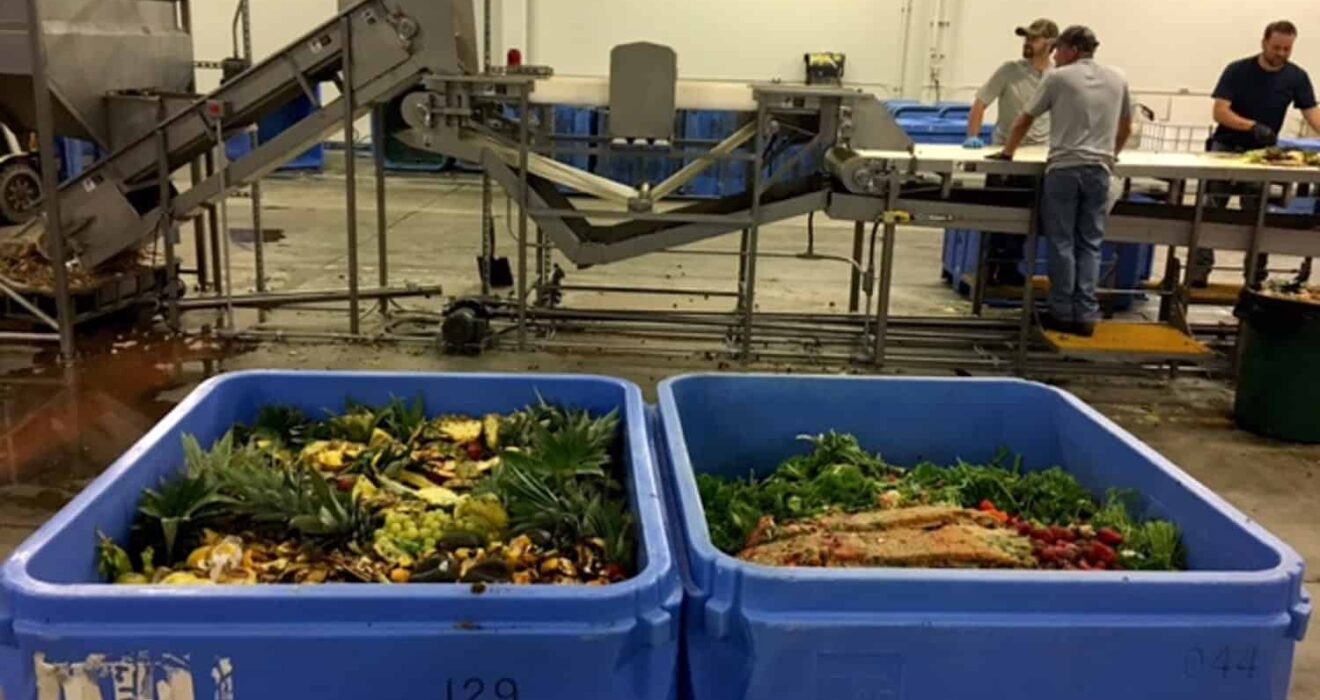
Processing and treating food waste has become a critical aspect of modern waste management, driven by environmental, economic, and social goals. Advances in technology and innovative methods are transforming food waste from a liability into valuable resources. Here’s a detailed description of the modern processes:
1. Food Waste Collection and Segregation
Modern food waste processing begins with proper collection and segregation:
- Source Segregation: Food waste is separated at the source (e.g., households, restaurants, food processing facilities) into organic and non-organic fractions.
- Smart Bins and IoT Solutions: Equipped with sensors to track fill levels and alert waste collectors, optimizing collection routes.
- Education Campaigns: Raise awareness to ensure compliance with segregation guidelines.
2. Pre-Treatment Processes
Before food waste undergoes further processing, pre-treatment is essential:
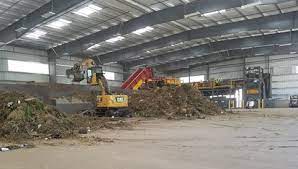
- Shredding and Size Reduction: Large pieces of food waste are shredded to increase the surface area for microbial activity or other treatment processes.
- Dewatering: Removes excess moisture, making food waste more manageable and efficient for energy recovery or composting.
- Contaminant Removal: Non-biodegradable contaminants (plastic, metal, etc.) are removed using sieves, magnets, or air classifiers.
3. Food Waste Recycling and Resource Recovery Methods
Modern methods aim to recover energy, nutrients, and materials from food waste:
A. Anaerobic Digestion (AD)
- Process: Food waste is broken down by microorganisms in an oxygen-free environment.
- Outputs:
- Biogas: Comprising methane and carbon dioxide, used for electricity, heat, or as vehicle fuel.
- Digestate: A nutrient-rich residue used as a fertilizer or soil conditioner.
B. Composting
- Types: Includes aerobic composting, vermicomposting (using earthworms), and in-vessel composting.
- Output: Produces high-quality organic compost for agriculture and landscaping.
- Advancements:
- Controlled environments for faster decomposition.
- Use of microbial inoculants to accelerate composting.
C. Biofuel Production
- Hydrothermal Liquefaction: Converts wet food waste into bio-oil.
- Fermentation: Converts sugars in food waste into bioethanol for use as a renewable fuel.
D. Biorefinery
- Extracts high-value biochemicals (e.g., antioxidants, enzymes, or proteins) before or during the treatment process.
- Suitable for food waste like fruit peels or expired packaged food.
4. Thermal Treatment Technologies
A. Incineration with Energy Recovery
- Process: Controlled combustion of food waste to generate heat and electricity.
- Modern Systems:
- Equipped with advanced flue gas cleaning technologies to minimize emissions.
- Combined Heat and Power (CHP) systems for efficient energy recovery.
B. Pyrolysis and Gasification
- Pyrolysis: Decomposes food waste at high temperatures in the absence of oxygen, producing biochar, bio-oil, and syngas.
- Gasification: Converts food waste into syngas, a mixture of hydrogen and carbon monoxide, used for energy generation or as chemical feedstock.
5. Novel Approaches and Innovations
- Black Soldier Fly (BSF) Larvae:
- Process: Food waste is fed to BSF larvae, which convert it into protein and fat.
- Applications: Larvae are harvested as animal feed, and the residue is used as organic fertilizer.
- Enzyme-Based Solutions:
- Specific enzymes break down complex food waste components into simpler, valuable byproducts.
- Hydroponic Fertilizer Production:
- Liquid fertilizers derived from food waste are used in soilless farming systems.
6. Industrial Scale and Urban Applications
- Centralized Waste Treatment Plants: Serve urban areas with advanced waste treatment facilities, combining multiple technologies.
- On-Site Treatment Solutions: Small-scale systems for businesses and communities (e.g., aerobic digesters, composters).
- Circular Economy Integration: Food waste is incorporated into a closed-loop system to minimize waste and maximize resource recovery.
7. Environmental and Social Benefits
- Carbon Emission Reduction: Diverts food waste from landfills, reducing methane emissions.
- Soil Health Improvement: Compost and biochar enhance soil fertility and structure.
- Energy Independence: Biogas and biofuels contribute to renewable energy production.
- Social Initiatives: Surplus food is redirected to those in need, minimizing waste generation.
Challenges and Future Directions
- Challenges:
- Contamination in segregated waste streams.
- High initial investment in advanced treatment technologies.
- Future Directions:
- Integration of AI and machine learning for process optimization.
- Enhanced public-private partnerships to expand infrastructure.
- Increased focus on upcycling food waste into high-value products.
This integrated approach reflects the evolving emphasis on sustainability and resource efficiency in handling food waste globally.


