
The Role of Circular Economy in Kenya’s Waste Management Future
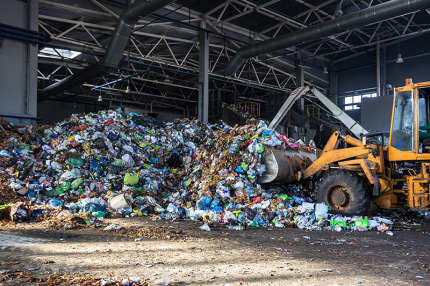
Kenya, like many other countries, faces significant challenges in waste management, particularly as its urban population continues to grow. The rapid urbanization in cities like Nairobi has led to a dramatic increase in waste generation, straining existing waste management infrastructure. Landfills are overflowing, waste is poorly managed, and recycling rates are alarmingly low. However, a promising solution is emerging on the horizon: the circular economy.
A circular economy, unlike the traditional linear economy, emphasizes reducing waste, reusing resources, and recycling products back into the economy. By embracing the principles of a circular economy, Kenya could not only address its growing waste crisis but also unlock new opportunities for sustainable economic growth, job creation, and environmental conservation. In this article, we will explore the role of the circular economy in shaping Kenya’s waste management future, examining its potential benefits, challenges, and how Kenya can transition towards a more sustainable waste management system.
Understanding the Circular Economy
The circular economy is a transformative economic model that contrasts sharply with the traditional linear model, which follows the “take, make, dispose” approach. In a circular economy, resources are kept in use for as long as possible, maximizing the value derived from them while minimizing waste. This model promotes strategies such as reuse, recycling, refurbishment, and repurposing of materials to create a closed-loop system.
In the context of waste management, the circular economy aims to reduce the need for raw materials, decrease environmental pollution, and minimize waste by encouraging the recycling and reprocessing of materials. For Kenya, adopting a circular economy could be a game-changer in addressing its waste management challenges. By diverting waste from landfills and repurposing materials, Kenya could significantly reduce its environmental footprint while simultaneously promoting economic growth.
Key principles of the circular economy include:
- Designing for longevity: Creating products that are durable and can be easily repaired or reused.
- Resource efficiency: Using fewer resources to produce goods and services.
- Waste reduction: Minimizing waste by reusing, recycling, or composting.
- Systems thinking: Understanding the interconnectedness of various sectors and industries in the economy.
These principles provide a roadmap for how Kenya can transition from a linear to a circular approach to waste management.
Benefits of Circular Economy for Kenya’s Waste Management
The adoption of circular economy practices in Kenya’s waste management sector offers a range of economic, environmental, and social benefits. By reducing the amount of waste sent to landfills, Kenya can alleviate some of the most pressing environmental issues caused by improper waste disposal. These benefits extend far beyond waste management to include improvements in public health, job creation, and long-term economic resilience.
1. Reduction of Waste and Pollution
One of the most obvious benefits of the circular economy is its potential to reduce waste. In Kenya, waste management is a growing problem, with cities generating more waste than can be handled efficiently. The introduction of circular economy practices, such as increased recycling and waste repurposing, could significantly reduce the amount of waste that ends up in landfills, rivers, and open spaces.
Recycling helps keep valuable materials, such as plastics, metals, and paper, out of the environment. Moreover, by diverting waste from incineration or landfilling, Kenya could reduce the harmful emissions and leachates associated with waste disposal. This would help reduce pollution and improve environmental quality, making cities cleaner and safer for residents.
2. Economic Opportunities and Job Creation
The circular economy presents significant economic opportunities, particularly in job creation. A shift to a circular approach would stimulate industries related to recycling, waste management, upcycling, and remanufacturing. This could create a broad range of job opportunities, from waste collection and sorting to manufacturing and research into new recycling technologies.
As industries in Kenya move toward more sustainable practices, new markets for recycled materials and eco-friendly products will emerge. This could lead to the creation of green businesses and start-ups, which are critical in driving innovation and economic growth. Additionally, recycling programs, especially in the informal sector, can provide an economic lifeline to communities, enabling local entrepreneurs to engage in waste collection, sorting, and the production of recycled goods.
3. Reduced Resource Dependency and Cost Savings
A circular economy could reduce Kenya’s reliance on raw material imports, which are often expensive and contribute to environmental degradation. By focusing on recycling and reusing materials, Kenya can conserve its natural resources, reduce the environmental impact of mining and extraction, and create a more sustainable economy.
For example, recycling materials such as paper, plastic, and metal reduces the need to produce new items from raw materials. This not only conserves resources but also leads to cost savings for industries that rely on these materials. By tapping into the potential of a circular economy, Kenya could reduce its trade deficit and promote self-sufficiency in various industries.
4. Climate Change Mitigation
Waste management is closely linked to climate change, with the decomposition of organic waste in landfills contributing to methane emissions—one of the most potent greenhouse gases. A circular economy can help mitigate climate change by reducing the volume of waste sent to landfills and minimizing carbon emissions associated with waste treatment processes.
Recycling materials such as aluminum, glass, and plastics generally requires less energy than producing new items from raw materials, which leads to lower greenhouse gas emissions. Additionally, waste-to-energy technologies, which are a part of the circular economy, can convert non-recyclable waste into renewable energy, further reducing the carbon footprint of waste management.
5. Improving Public Health
Waste management is crucial to public health, particularly in urban areas where improper disposal of waste can lead to the spread of diseases. By reducing waste and improving recycling, Kenya can reduce the negative health impacts of poor waste management, such as respiratory problems, water contamination, and the spread of disease.
The circular economy model emphasizes waste reduction at the source, which means fewer hazardous materials in the environment. Furthermore, recycling processes often use cleaner technologies that have a less harmful impact on air, soil, and water quality. This can result in improved health outcomes for communities, particularly in areas with limited waste management infrastructure.
Challenges to Implementing a Circular Economy in Kenya
Despite the clear benefits, the transition to a circular economy in Kenya faces several challenges. One of the biggest obstacles is the lack of infrastructure to support recycling and waste management. In many parts of the country, especially in rural areas and informal settlements, waste collection services are inadequate or nonexistent. This makes it difficult to collect and sort waste effectively, which is essential for a circular economy to function.
Moreover, there is a general lack of awareness and education around recycling and the circular economy. Many people in Kenya are unfamiliar with the benefits of recycling, and the concept of the circular economy is still new. Without public buy-in, it will be difficult to change consumer behavior and establish widespread recycling practices.
Other challenges include:
- Limited investment in recycling technologies: The recycling sector in Kenya lacks the necessary investments in advanced sorting and processing technologies. This makes it harder to scale recycling operations and ensure the quality of recycled materials.
- Fragmented waste management systems: The waste management sector in Kenya is often fragmented, with numerous small-scale informal recyclers working without coordination or access to government support. A more unified and efficient system is needed to maximize the potential of recycling.
- Regulatory hurdles: While the Kenyan government has taken steps to improve waste management, such as the plastic bag ban, there is still a need for more comprehensive and enforceable waste management policies. The government must introduce regulations that incentivize businesses to adopt circular practices, create extended producer responsibility (EPR) schemes, and enforce recycling targets.
How Kenya Can Embrace the Circular Economy
Despite these challenges, Kenya has several opportunities to embrace the circular economy and position itself as a leader in sustainable waste management. Below are some key steps the country can take to foster the transition:
1. Strengthening Waste Management Infrastructure
The first step in embracing a circular economy is improving waste management infrastructure across the country. This includes investing in waste collection, sorting, and recycling facilities. Additionally, the government should work with local municipalities and private companies to expand waste collection services to informal settlements and rural areas.
To support recycling, Kenya should develop sorting facilities that can efficiently separate different types of waste, such as plastics, metals, glass, and organic waste. This infrastructure will allow waste to be recycled more effectively, diverting materials from landfills and reducing pollution.
2. Education and Public Awareness Campaigns
Education is key to changing consumer behavior and promoting the benefits of recycling. The Kenyan government, NGOs, and private sector organizations can work together to create public awareness campaigns that educate citizens on the importance of waste reduction, recycling, and the circular economy. These campaigns can target schools, communities, and businesses to ensure widespread participation.
In addition, the government can incorporate circular economy principles into school curricula to teach future generations about sustainability and waste management.
3. Promoting Innovation and Investment in Recycling Technologies
Kenya should encourage investment in recycling technologies by providing incentives to businesses that adopt circular practices. This could include offering tax breaks or subsidies for companies that invest in waste-to-energy technologies, advanced recycling systems, or eco-friendly product design. Start-ups in the green economy, especially those focused on waste management, should be supported through grants and venture capital.
In particular, the government can collaborate with Kenya’s thriving tech industry to develop innovative solutions for waste sorting, recycling, and upcycling. Technology has the potential to significantly increase the efficiency of recycling processes and reduce costs.
4. Strengthening Policy and Regulatory Frameworks
The Kenyan government must establish a clear and comprehensive policy and regulatory framework for waste management. This should include setting recycling targets, implementing extended producer responsibility (EPR) schemes, and encouraging businesses to design,
5. Encouraging Public-Private Partnerships
Public-private partnerships (PPPs) have proven to be an effective way to address waste management challenges globally. In Kenya, fostering partnerships between the government, private sector, and local communities can help accelerate the transition to a circular economy. Private companies have the resources, innovation, and expertise to drive technological advancements in recycling, while the government can provide regulatory support, create incentives, and ensure that waste management systems are well coordinated.
One potential area for PPPs is the development of waste-to-energy (WTE) plants. These plants can convert non-recyclable waste into renewable energy, providing both waste management solutions and a sustainable energy source. Through collaboration between private investors, government agencies, and local authorities, Kenya can develop the necessary infrastructure to process waste effectively and generate clean energy. Such collaborations will help scale up recycling efforts and create a more efficient, sustainable waste management system.
Additionally, the private sector can play a key role in creating demand for recycled materials. For example, businesses that use recycled inputs in their products or packaging can contribute to the circular economy by promoting a closed-loop system. By encouraging such practices, Kenya can increase the market value of recycled materials and incentivize local recycling efforts.
6. Addressing Informal Sector Involvement in Waste Management
In Kenya, the informal sector plays a significant role in waste collection, recycling, and sorting, particularly in urban areas. Informal waste pickers and recyclers often work without formal recognition or regulation, which can lead to substandard working conditions and limited access to waste management services. However, these informal workers are critical to the country’s recycling efforts and waste management processes.
A circular economy in Kenya must recognize and integrate the informal sector into the formal waste management system. This could include offering formal recognition, training, and fair compensation to waste pickers, as well as providing them with access to recycling facilities and equipment. Empowering these workers with the right tools and training can improve the efficiency of waste collection and sorting, ensuring that more materials are recycled and reused.
Additionally, integrating informal recyclers into a more formalized system can lead to better waste management practices and reduce the exploitation of workers in the sector. By involving the informal sector in Kenya’s transition to a circular economy, the government can create a more inclusive and equitable recycling industry that benefits all stakeholders.
7. Creating Sustainable Consumption Patterns
The circular economy is not just about waste management; it is also about changing consumption patterns. In Kenya, as in many other developing countries, consumption is often driven by short-term needs and disposable products. A shift towards more sustainable consumption habits is essential to the success of the circular economy.
Kenya can encourage sustainable consumption by promoting eco-friendly alternatives and educating consumers about the environmental impact of their purchasing decisions. For example, consumers can be encouraged to choose products with minimal packaging, invest in durable goods that can be repaired or reused, and reduce their overall waste generation. Eco-labeling and certifications for sustainable products can also help consumers make informed choices.
The government can support this by offering incentives to businesses that produce sustainable products and encouraging the adoption of circular business models, such as take-back schemes and repair services. As consumers become more aware of the environmental impact of their purchases, demand for recycled and sustainable products will increase, helping to close the loop in the circular economy.
8. Leveraging Technology for Waste Management
Technology has the potential to revolutionize waste management in Kenya. From smart waste bins to AI-powered recycling robots, innovations in technology can help improve the efficiency and effectiveness of waste collection, sorting, and recycling processes. Technologies such as Geographic Information Systems (GIS) can also be used to map waste generation patterns in urban areas, helping local authorities plan better waste management services.
Furthermore, blockchain technology can be used to track the flow of materials in the recycling process, ensuring that materials are recycled properly and reducing fraud in the waste management sector. By creating a transparent and traceable system for recycled materials, technology can help increase the credibility of recycling efforts and build trust with consumers.
Kenya’s vibrant tech ecosystem can be harnessed to develop innovative solutions for waste management, recycling, and the circular economy. Collaboration between the government, technology companies, and start-ups could lead to the development of cutting-edge technologies that make waste management processes more efficient and cost-effective.
9. Leveraging Global Partnerships and Expertise
Kenya is not alone in its quest to build a more sustainable waste management system. Around the world, countries are adopting circular economy models to reduce waste, conserve resources, and create new economic opportunities. Kenya can benefit from global partnerships and expertise as it transitions to a circular economy.
International organizations, such as the Ellen MacArthur Foundation, have been working to promote the circular economy globally and can offer Kenya valuable insights and support. By collaborating with international partners, Kenya can learn from best practices in circular economy implementation, access funding and technical expertise, and align its waste management strategies with global standards.
Additionally, Kenya can leverage global markets for recycled materials, particularly in industries like textiles, plastics, and electronics, where there is growing demand for recycled inputs. Building international partnerships will not only help Kenya improve its waste management practices but also connect the country to global networks of innovation and investment.
10. Conclusion: A Green Future for Kenya
The role of the circular economy in Kenya’s waste management future is undeniable. By embracing this innovative economic model, Kenya can create a sustainable, resource-efficient system that minimizes waste, reduces pollution, and fosters economic growth. A circular economy can provide numerous benefits, including job creation, reduced reliance on raw materials, and improved environmental outcomes.
However, to fully realize the potential of the circular economy, Kenya must overcome several challenges, such as inadequate infrastructure, fragmented waste management systems, and limited public awareness. By addressing these barriers and investing in key areas like education, technology, and policy development, Kenya can accelerate its transition to a circular economy.
As the country looks to the future, it has the opportunity to lead Africa in sustainable waste management practices. By focusing on circular economy principles, Kenya can not only manage its waste more effectively but also build a resilient and inclusive economy that benefits all its citizens. The time to act is now, and with the right strategies in place, Kenya can turn its waste challenges into valuable resources and create a greener, more sustainable future for generations to come.


