
Introduction
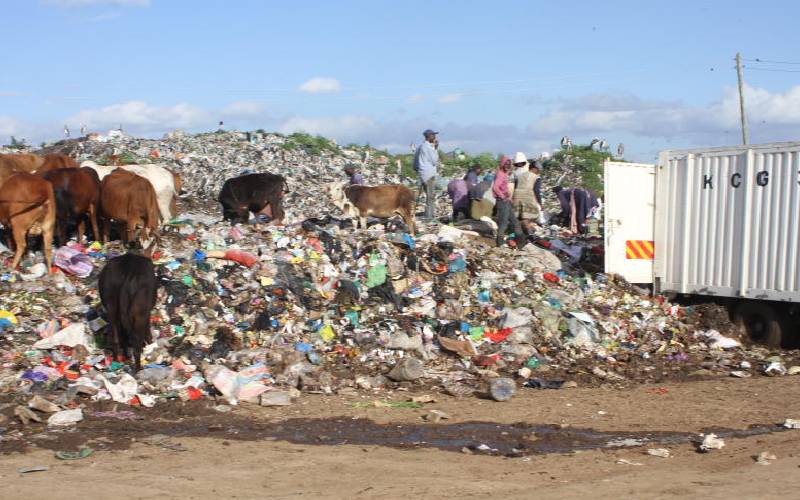
Kenya, like many developing nations, is grappling with the growing challenge of waste management. As urbanization increases, the volume of waste generated, especially in cities like Nairobi, continues to rise, outpacing the capacity of waste management systems. Poor waste management can have serious implications for public health, the environment, and the economy. However, Kenya also holds great potential to address these challenges through innovation, policy reform, and community engagement. In this article, we’ll explore both the obstacles and the opportunities that lie ahead in improving waste management in Kenya.
Challenges in Waste Management
One of the primary challenges faced by Kenya in waste management is the lack of adequate infrastructure. Waste collection services are limited, especially in informal settlements where many residents do not have access to regular waste disposal services. This results in waste being dumped on roadsides, in open spaces, and in rivers, contributing to pollution. Additionally, there is a significant lack of awareness among the general public about the importance of proper waste disposal. The country also faces limited recycling infrastructure, meaning a large portion of the waste generated is sent to landfills. These challenges are compounded by inadequate policies and regulations, which fail to address the complexities of waste management in urban areas.
Environmental Impact of Poor Waste Management
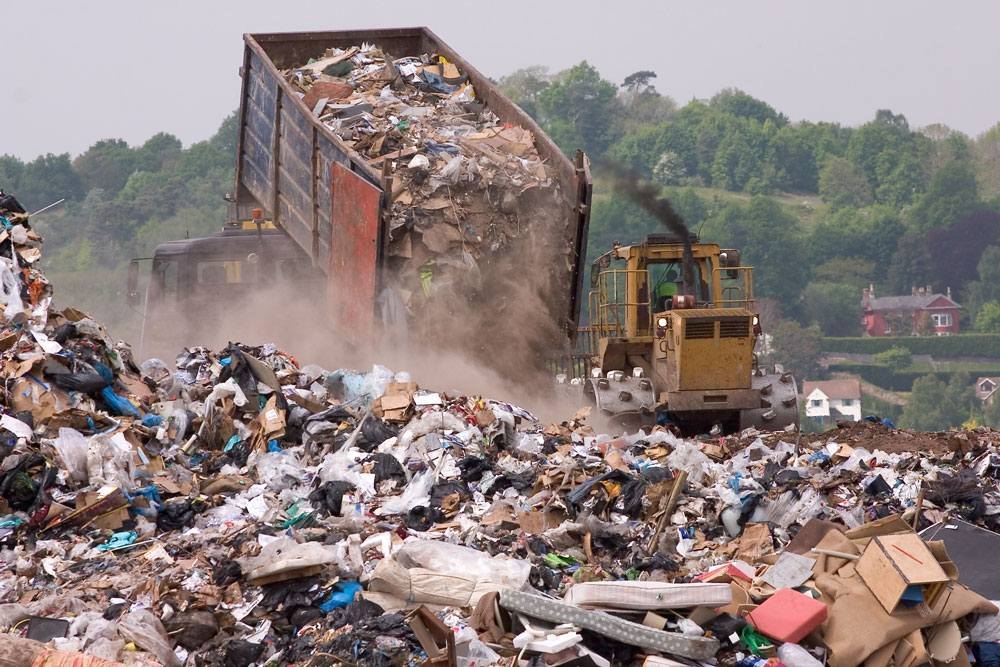
The environmental consequences of poor waste management are severe. Waste, particularly plastic, often ends up in Kenya’s waterways and oceans, threatening aquatic life and contributing to the pollution of drinking water sources. The burning of waste is also a common practice in many areas, releasing toxic fumes into the air and contributing to air pollution. Furthermore, improper waste disposal leads to the contamination of soil and the degradation of ecosystems. While urbanization continues to drive waste generation, the lack of an effective waste management system puts Kenya’s environment at great risk.
Government Efforts and Policies
The Kenyan government has taken steps to address the waste management issue, particularly in urban centers. In 2017, Kenya implemented a nationwide ban on single-use plastic bags, a move that has been hailed as one of the most significant waste management interventions in Africa. Additionally, the government has developed a National Waste Management Strategy that aims to guide efforts in improving waste collection, recycling, and disposal. Local authorities in major cities have also partnered with private companies to improve waste collection services. However, enforcement of these regulations remains a challenge, and there is still a significant gap in the implementation of waste management policies at the grassroots level.
Opportunities for Improvement
Despite the challenges, there are numerous opportunities for improving waste management in Kenya. One of the most promising opportunities is the development of a robust recycling industry. With the right investments in infrastructure, Kenya could not only reduce the amount of waste sent to landfills but also create new jobs and economic opportunities in the recycling sector. Another opportunity lies in the growing public awareness of environmental issues, which could lead to better waste sorting at the source and increased participation in recycling programs. Additionally, innovation in waste-to-energy technologies could help address both waste and energy shortages simultaneously. Community-based waste management initiatives and partnerships with private companies offer another avenue for local solutions to waste management challenges.
Private Sector and Community Engagement
The private sector and community-based organizations have a critical role to play in Kenya’s waste management sector. Several waste management companies have emerged in recent years, offering waste collection and recycling services to both businesses and households. These companies have contributed to the reduction of waste in urban areas, especially by focusing on waste segregation and recycling. Additionally, community-based initiatives, such as the “Clean-Up Kenya” campaigns, have brought citizens together to address waste disposal issues in their localities. Through education, partnerships, and innovation, the private sector and community groups can help drive positive change in waste management practices across Kenya.
Conclusion
Waste management in Kenya is at a crossroads. While the challenges are significant, there are clear opportunities to develop sustainable solutions that benefit both the environment and the economy. Through effective policies, infrastructure investment, public education, and private sector involvement, Kenya can create a waste management system that meets the needs of its growing population. If the government, businesses, and citizens work together, Kenya can pave the way toward a cleaner, healthier, and more sustainable future.


