
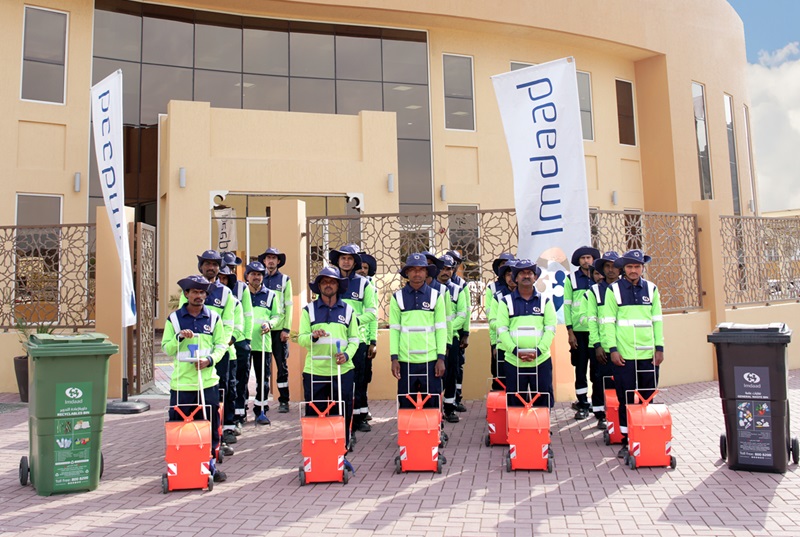
Global Summit on Recycling and Waste Management (2023)
The Global Summit on Recycling and Waste Management (2023) held in Dubai, UAE, in September was an essential gathering of global leaders, environmentalists, business innovators, and policymakers focused on improving waste management practices worldwide. As environmental challenges related to waste continue to grow, the summit served as a crucial platform for addressing key issues in waste management, recycling, and resource conservation. With the global population steadily increasing and urban areas expanding, waste generation has become one of the most pressing environmental concerns. The summit’s discussions revolved around innovative solutions, technological advancements, and policy frameworks to better manage waste, with a special focus on improving recycling practices and reducing the volume of waste sent to landfills.
In addition to addressing technological solutions, the summit highlighted the crucial role that governments and the private sector must play in improving waste management systems. Effective collaboration between public and private sectors was a key theme, emphasizing the need for both parties to work together to implement sustainable practices and ensure that waste management systems are efficient, scalable, and economically viable. As cities and industries around the world struggle to manage waste efficiently, the summit underscored the importance of embracing a circular economy model where resources are reused, recycled, and repurposed, rather than being discarded. The event’s key takeaway was a unified global call to action to address the growing waste crisis and to promote policies, practices, and technologies that can pave the way for a cleaner, more sustainable future.
Improving Global Recycling Practices: A Central Focus
One of the primary topics at the 2023 Global Summit on Recycling and Waste Management was the urgent need to improve global recycling practices. Recycling is one of the most effective ways to reduce waste and conserve resources, yet many countries still struggle with low recycling rates due to various factors such as lack of infrastructure, inadequate policies, and insufficient public awareness. In many regions, particularly in low- and middle-income countries, recycling is not a widely practiced habit, and recyclable materials often end up in landfills or incinerators, contributing to environmental pollution and resource depletion.
The summit discussed how to overcome these barriers and promote widespread adoption of recycling practices. It emphasized the importance of building robust recycling infrastructure, including collection systems, sorting facilities, and recycling plants. One of the key recommendations was for governments to invest in recycling infrastructure and create incentives for private companies to set up recycling facilities in both urban and rural areas. Additionally, panelists discussed the need for public-private partnerships to ensure that recycling programs are accessible and economically viable.
Public awareness campaigns were also highlighted as a critical tool for increasing recycling participation. Education programs can play a significant role in changing consumer behavior, particularly by teaching people about the value of recycling and how to properly sort materials for recycling. Furthermore, the summit featured discussions on the importance of improving product design to facilitate recycling. Many products, particularly electronics and packaging, are designed in ways that make them difficult or impossible to recycle. The summit participants agreed that the recycling process must be integrated into the product lifecycle, with manufacturers taking responsibility for designing recyclable products and packaging.
The Role of Technology in Advancing Recycling Systems
Another key area of focus at the summit was the role of technology in advancing recycling systems. As waste volumes increase and recycling becomes more complex, technological innovations are seen as essential for improving the efficiency and effectiveness of recycling efforts. Several groundbreaking technologies were showcased during the summit that could revolutionize the recycling industry. One of the most promising innovations is the use of Artificial Intelligence (AI) and robotics to automate and optimize waste sorting. AI-powered machines can identify, separate, and sort recyclable materials with greater accuracy and speed than manual labor, reducing contamination rates and increasing the efficiency of recycling facilities.
Another technological innovation discussed was advanced waste-to-energy (WTE) technologies, which convert non-recyclable waste into renewable energy. WTE systems, such as incinerators and anaerobic digesters, can significantly reduce the amount of waste sent to landfills while providing a sustainable energy source. These technologies are particularly important in areas where recycling rates are low, or waste collection systems are underdeveloped. By converting waste into energy, countries can reduce their dependence on fossil fuels and lower their carbon footprint. However, the summit also stressed that WTE technologies should complement, not replace, recycling efforts, as they should only be used for non-recyclable materials.
Other technological advancements discussed included innovations in biodegradable plastics and sustainable packaging materials. These materials are designed to break down naturally in the environment, reducing the need for traditional waste disposal methods. Biodegradable plastics, for example, have the potential to significantly reduce plastic pollution, which is a growing global issue. These innovations in materials science, combined with advances in recycling and waste management technologies, offer a hopeful outlook for the future of waste management.
The Role of Government Policies in Promoting Recycling
A significant portion of the summit was dedicated to discussing the role of government policies in encouraging recycling and waste management. The panelists emphasized that without strong political will and supportive policy frameworks, it will be difficult to implement effective waste management systems and achieve high recycling rates. Governments must create an environment where recycling is not only easy but also financially viable for businesses and individuals.
One of the key points made during the summit was the need for extended producer responsibility (EPR) policies, which require manufacturers to take responsibility for the entire lifecycle of their products, including the post-consumer phase. By introducing EPR, governments can incentivize businesses to design products that are easier to recycle, reduce packaging waste, and minimize the environmental impact of their products. Some countries have already implemented EPR laws, particularly in the electronics and packaging sectors, and these policies have shown promising results in increasing recycling rates.
Additionally, summit speakers discussed the importance of setting up clear and enforceable recycling targets. Governments should establish national recycling goals and ensure that industries comply with these standards. For instance, many European countries have set ambitious recycling targets, with some aiming for 65% recycling rates by 2035. The summit participants encouraged other regions to adopt similar policies and commit to reducing waste through recycling, waste diversion, and resource recovery.
Incentivizing businesses to adopt sustainable waste practices was another key recommendation. Governments can provide financial incentives, such as tax breaks or grants, to companies that implement recycling programs, use recycled materials in production, or adopt waste-reducing technologies. This would help foster a business environment where sustainability is valued and waste management is prioritized. Additionally, creating clear waste disposal and recycling regulations ensures that waste management is standardized across regions, making it easier for citizens and companies to follow recycling best practices.
The Private Sector’s Role in Waste Management
The summit also emphasized the crucial role of the private sector in waste management, particularly in improving recycling practices. While governments are responsible for creating regulatory frameworks and incentivizing recycling, businesses are the ones that can drive innovation, increase recycling capacity, and implement sustainable waste practices at scale. One key area of focus was the importance of sustainable business practices, such as adopting circular economy principles where companies are responsible for managing their waste throughout the product lifecycle.
Leading companies from various industries, including packaging, electronics, and consumer goods, shared their experiences in implementing recycling and waste reduction programs. Several businesses have already made significant strides in reducing their environmental footprint by adopting closed-loop systems, where waste materials are collected and reused in the manufacturing process. For instance, some packaging companies have committed to using 100% recyclable materials or are investing in biodegradable alternatives to plastic packaging. Others are working to reduce the amount of packaging they use, thereby reducing waste at the source.
The summit also highlighted the importance of collaboration between businesses to create collective solutions for waste management. Companies can partner with each other, NGOs, and governments to create shared waste collection, recycling, and processing systems that increase efficiency and reduce costs. By working together, the private sector can help create a more sustainable waste management ecosystem, where materials are reused, products are designed for longevity, and waste is minimized.
Another discussion revolved around the role of innovation in developing new recycling technologies and materials. The private sector plays a critical role in funding research and development in areas like recyclable plastics, waste-to-energy technologies, and sustainable packaging. The summit underscored that without investment from the private sector, many of these innovative solutions would not reach the scale needed to address global waste challenges effectively.
Collaboration and Global Solutions: A Collective Approach to Waste Management
The Global Summit on Recycling and Waste Management (2023) in Dubai concluded with a call for global collaboration on waste management and recycling. The event reinforced the idea that waste management is a shared responsibility that requires coordinated efforts from governments, businesses, and communities worldwide. The panelists and attendees agreed that to tackle the global waste crisis effectively, stakeholders must work together to implement policies, develop technologies, and adopt sustainable practices that reduce waste generation and improve recycling rates.
International cooperation will be essential to addressing issues like plastic pollution, which is a transboundary problem that requires coordinated action across borders. Countries can share best practices, collaborate on research, and harmonize recycling standards to ensure that waste is managed sustainably worldwide. Additionally, developing nations should not be left behind in the global waste management effort; the international community must provide support to help these countries build the infrastructure and capacity needed for effective waste management systems.
The summit also underscored the importance of involving communities in waste management efforts. Public awareness campaigns and educational initiatives are critical in fostering a culture of recycling and reducing waste at the individual level. As the event demonstrated, every stakeholder has a role to play in creating a more sustainable and circular global economy.
Conclusion: A Sustainable Future Through Collaboration and Innovation
The Global Summit on Recycling and Waste Management (2023) was a pivotal event in addressing the critical issue of waste management on a global scale. By focusing on key issues such as improving recycling practices, fostering technological innovation, and encouraging the role of the private sector, the summit highlighted that solutions to the waste crisis must be multifaceted and collaborative. Governments, businesses, and communities must work together to achieve a sustainable future where waste is minimized, resources are conserved, and recycling is a widespread practice. As the world continues to grapple with increasing waste volumes, it is clear that the transition to a circular economy is not just an environmental necessity but also an economic opportunity. The discussions and outcomes from the Global Summit on Recycling and Waste Management (2023) have laid the groundwork for the collective actions needed to reduce waste, promote sustainable production, and enhance global recycling efforts.
One of the key takeaways from the summit was the urgency of adopting circular economy principles across all sectors. The idea of designing products with their entire lifecycle in mind—considering their recyclability, reparability, and potential for reuse—was emphasized as a crucial step toward reducing waste. By shifting away from the traditional linear “take, make, dispose” model and toward a circular approach, businesses can reduce their environmental footprint, conserve valuable resources, and contribute to a sustainable future. Governments must support this shift by enacting policies that incentivize circular practices, such as product take-back schemes, extended producer responsibility (EPR), and mandatory recycling targets.
Furthermore, the summit underscored the importance of technological innovation in solving waste management challenges. While recycling technologies are improving, much work remains to be done to ensure that these innovations are scaled and applied globally. The integration of Artificial Intelligence (AI), robotics, and blockchain into waste management systems will be key to achieving more efficient sorting, reducing contamination in recycling streams, and ensuring that valuable materials are not lost in the waste process. However, as the summit participants stressed, these technologies must complement broader efforts in waste reduction, such as promoting sustainable consumption patterns, reducing packaging waste, and eliminating non-recyclable materials from production processes.
As we move forward, the collective global effort to address waste management and recycling will require continuous innovation, strong leadership, and a commitment to sustainability at every level. The private sector, especially businesses involved in production and manufacturing, must be active partners in this effort, taking responsibility for the waste their products generate and integrating circularity into their business models. Governments must provide the regulatory frameworks and incentives to guide this transition, and communities must be educated and empowered to take part in waste reduction and recycling efforts.
The Global Summit on Recycling and Waste Management (2023) has highlighted the need for a shared commitment to creating a circular economy that can meet the challenges of the future while protecting the planet. Through collaboration, innovation, and a focus on sustainable practices, it is possible to build a waste management system that not only addresses the challenges of today but also prepares us for a cleaner, more sustainable tomorrow.
Final Thoughts: A Path Forward
The 2023 Global Summit on Recycling and Waste Management has been a critical milestone in the global push to address waste challenges. The discussions at the event have highlighted that waste management is a multifaceted issue that requires innovative solutions, strategic policies, and global cooperation. The private sector, governments, and civil society must all work together to create systems that promote sustainability, reduce waste generation, and enhance recycling efforts.
With an emphasis on the circular economy, technological advancements, and robust regulatory frameworks, the summit has provided a blueprint for addressing the global waste crisis. The event has shown that there is hope for the future, but only if every stakeholder steps up to play their part in reducing waste and advancing recycling practices. As the world continues to face the dual challenges of growing waste volumes and environmental degradation, the discussions and outcomes from this summit will undoubtedly serve as a driving force for change in the years to come.
Ultimately, the path forward will depend on continued collaboration, innovation, and commitment to sustainability at all levels of society. The Global Summit on Recycling and Waste Management (2023) has set the stage for a cleaner, greener, and more sustainable future—one where waste is minimized, resources are conserved, and recycling becomes a fundamental practice for all.
As we look to the future, it is clear that we must embrace the solutions presented at this summit and continue to push for bold, transformative actions in waste management. With collective effort, there is a real opportunity to build a more sustainable world where waste is no longer seen as a burden, but as a resource that can be recycled, reused, and repurposed to benefit the environment, economies, and societies alike.


