
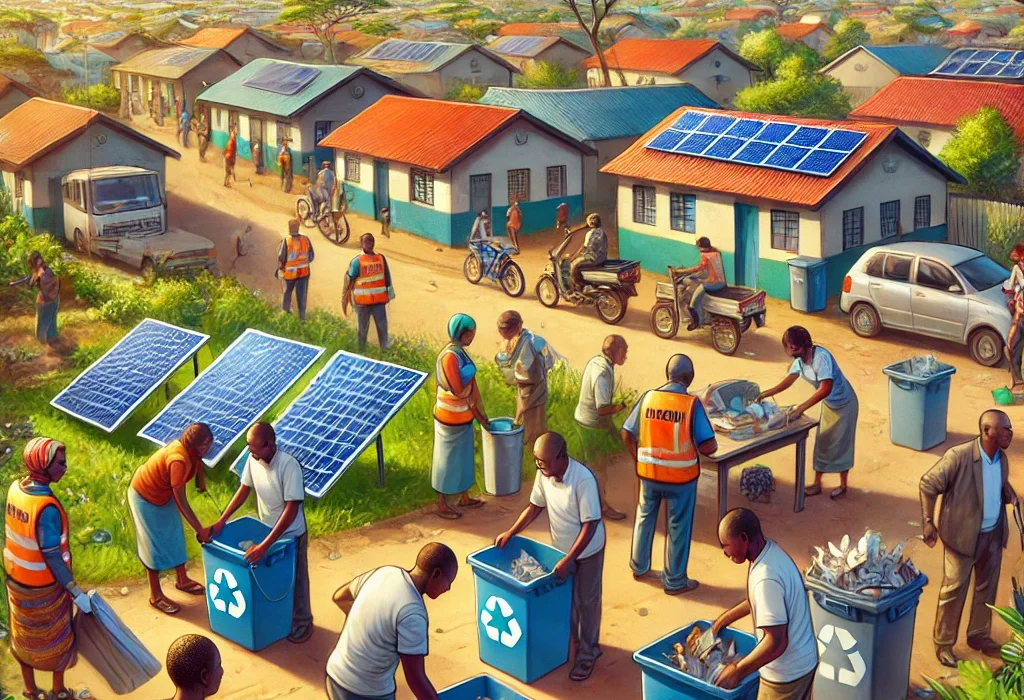
Success Stories: Kenyan Communities Leading the Way in Waste Management
Kenya has been at the forefront of innovative waste management solutions in recent years, and many local communities across the country are taking active steps toward sustainable waste management practices. From grassroots initiatives to community-driven recycling programs, Kenya’s communities are setting an example for the rest of the world. This article explores some of the most notable success stories in Kenyan waste management and how these communities are making a positive impact on both the environment and local livelihoods.
Community-Based Waste Management in Nairobi’s Informal Settlements
Nairobi, the capital city of Kenya, is home to numerous informal settlements, such as Kibera and Mathare, where waste management has traditionally been a significant challenge. In these areas, residents often lack access to municipal waste disposal services, and open dumping and burning of waste are common. However, community-based organizations have been stepping up to address this problem, creating solutions that empower residents to take control of their waste.
One such initiative is the Kibera Community Youth Program (KCYP), which focuses on educating local residents about the importance of waste segregation and recycling. Through workshops and door-to-door campaigns, KCYP has been able to mobilize the community to separate organic and non-organic waste, with a significant portion of the waste being recycled. The organization also collaborates with local authorities to create recycling centers where residents can drop off their waste, ensuring that materials such as plastics, glass, and paper are processed and reused rather than dumped.
The success of KCYP has inspired similar initiatives in other Nairobi slums, demonstrating that even in areas with limited infrastructure, community-driven solutions can lead to tangible improvements in waste management practices.
Kisumu’s Community Recycling Initiative: Turning Trash into Treasure
Kisumu, a lakeside city in western Kenya, is another example of a community leading the way in waste management. In Kisumu, local residents and community groups have been working together to reduce the amount of waste sent to landfills by establishing a successful recycling initiative. This program focuses on turning waste into valuable resources, such as compost and recycled plastics.
The Kisumu-based organization, Clean Kisumu, is a key player in this initiative. They have set up community collection points where residents can bring their recyclables, which are then sorted and processed into products such as biodegradable compost for use in agriculture. This composting initiative has helped not only to manage waste but also to address food security issues in the region by providing farmers with affordable organic fertilizer.
Moreover, Clean Kisumu has also trained locals in recycling techniques, creating employment opportunities and a sense of ownership in the process. The initiative has significantly reduced the amount of waste that ends up in the city’s landfills, and it continues to grow as more residents get involved in the project. Clean Kisumu’s efforts have helped to transform the way people in Kisumu view waste, showing that it can be a valuable resource rather than a burden.
Mombasa’s Plastic Waste Solution: A Model for the Region
Mombasa, Kenya’s second-largest city, has also made significant strides in tackling waste management, particularly when it comes to plastic pollution. Plastic waste has long been a major environmental problem in Mombasa, where it clogs drainage systems, pollutes the beaches, and harms marine life. In response to this crisis, local community groups and environmental organizations have developed innovative solutions to reduce plastic waste and encourage recycling.
One notable success story comes from the Mombasa-based organization, Mombasa Waste Collectors (MWC), which focuses on collecting plastic waste from the streets and beaches and turning it into reusable products. MWC has been collecting plastic waste from both residential areas and local businesses, then sorting and processing it into items such as bags, shoes, and building materials. This initiative not only reduces the amount of plastic waste in the city but also provides job opportunities for local artisans and creates a market for recycled plastic products.
Furthermore, the local government has supported these efforts by implementing a plastic ban in 2017, which has helped reduce the widespread use of single-use plastics in the region. Together, these efforts have made Mombasa a model for other coastal cities facing similar plastic waste challenges. The city’s work in tackling plastic pollution proves that with the right policies and community involvement, it is possible to significantly reduce plastic waste while also creating economic opportunities.
Nyeri County’s Waste-to-Energy Project: Harnessing the Power of Waste
In Nyeri County, located in central Kenya, waste management has been taken to the next level with the introduction of a waste-to-energy project. The initiative, spearheaded by the Nyeri County Government in partnership with private sector companies, aims to address the twin challenges of waste disposal and energy generation. Through this project, the county collects organic waste from households, businesses, and markets, which is then processed to produce biogas and electricity.
This innovative project not only reduces the amount of waste that ends up in landfills but also provides a sustainable energy solution for the region. The biogas produced from organic waste is used to power local industries, schools, and hospitals, while the electricity generated is fed into the national grid, providing additional energy to the country. In addition to the environmental benefits, the project has created jobs in waste collection, sorting, and energy production, providing new sources of income for the local population.
The success of Nyeri County’s waste-to-energy project demonstrates how waste management can be integrated into a broader strategy for sustainable development. By turning waste into a valuable resource, the community is not only managing its waste more effectively but also contributing to Kenya’s renewable energy goals.
Lamu’s Zero-Waste Initiative: A Vision for a Cleaner Future
The island of Lamu, a UNESCO World Heritage Site known for its rich cultural heritage and beautiful beaches, is another example of a Kenyan community embracing waste management as a tool for sustainable development. Lamu is facing increasing pressure from tourism, which has led to rising levels of waste, particularly plastic waste. In response, the local community has launched a zero-waste initiative aimed at eliminating waste sent to landfills and promoting sustainable practices.
The Lamu Waste Management Project, initiated by local residents and supported by non-governmental organizations (NGOs), focuses on reducing, reusing, and recycling waste in the community. The project has implemented several waste reduction measures, such as encouraging local businesses to adopt eco-friendly packaging, organizing beach clean-ups, and promoting the use of compostable materials. In addition, the project has set up a recycling center where waste can be sorted and processed for reuse.
The success of the Lamu Zero-Waste Initiative has garnered attention from other coastal communities in Kenya, with many seeing it as a model for managing waste while protecting the environment. Through the involvement of local residents, the initiative has not only reduced the amount of waste on the island but also raised awareness about the importance of sustainable waste management practices among the community.
Conclusion: Scaling Success for a Cleaner Kenya
Kenya’s communities are proving that with determination, innovation, and a commitment to sustainability, it is possible to tackle the country’s waste management challenges. From Nairobi’s informal settlements to the island of Lamu, local residents are taking charge of their waste and turning it into a valuable resource. These success stories demonstrate that waste management is not just a government issue but a community-driven challenge that requires active participation from all stakeholders.
As more communities across Kenya adopt similar approaches to waste management, the country will be well on its way to a cleaner, more sustainable future. By scaling these successful initiatives and building on the lessons learned from each community, Kenya can become a leader in waste management and a model for other countries facing similar environmental challenges.


