
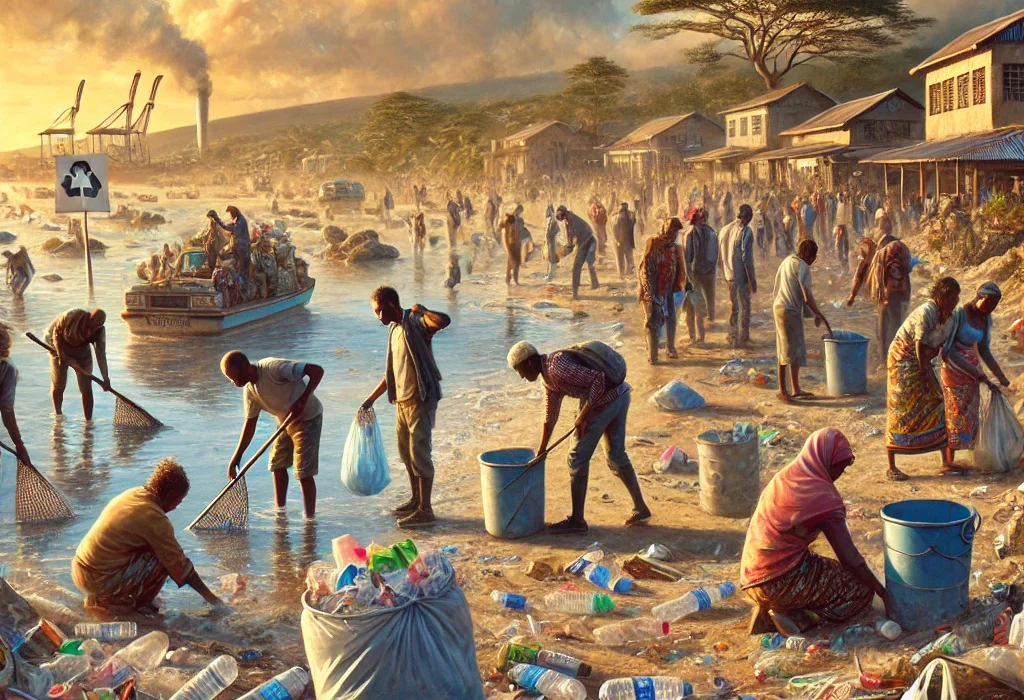
Plastic Pollution in Kenya: Can We Turn the Tide?
Plastic pollution is one of the most pressing environmental challenges facing Kenya today. From the bustling streets of Nairobi to the serene shores of Lake Victoria, plastic waste is found in almost every corner of the country. Single-use plastics, in particular, have become ubiquitous in everyday life, with plastic bags, bottles, and packaging cluttering urban areas, choking waterways, and threatening wildlife. While Kenya has made notable strides in addressing plastic pollution, the question remains: can the country turn the tide on plastic pollution? This article explores the current state of plastic pollution in Kenya, the efforts being made to combat it, and the way forward for creating a cleaner, more sustainable future.
The Extent of Plastic Pollution in Kenya
Kenya, like many other developing countries, faces a massive plastic waste problem. The widespread use of plastic products has led to a dramatic increase in the amount of plastic waste generated, much of which ends up in landfills, rivers, and oceans. According to a 2018 study by the United Nations Environment Programme (UNEP), Kenya generates an estimated 100,000 tonnes of plastic waste each year, with a large proportion of it being single-use plastic bags, bottles, and straws.
In urban centers like Nairobi, the situation is particularly dire. In low-income areas, where waste management infrastructure is often inadequate, plastic bags are used for everything from carrying groceries to storing food. These plastic bags often end up being discarded on streets, in open drains, or on vacant land, contributing to the overall environmental degradation. In rural areas, plastic waste often ends up in waterways, leading to water pollution and disrupting local ecosystems.
The impact of plastic pollution is not just environmental—it also poses significant health risks. Plastic waste can block drainage systems, leading to flooding and the spread of waterborne diseases such as cholera and typhoid. Additionally, when plastics break down in the environment, they release toxic chemicals that can contaminate soil and water, threatening both human and animal health.
The Consequences of Plastic Pollution on Wildlife and Ecosystems
One of the most alarming impacts of plastic pollution in Kenya is its effect on wildlife. Plastic waste is not biodegradable, meaning that it persists in the environment for hundreds, if not thousands, of years. In coastal areas such as Diani Beach and the shores of Lake Victoria, plastic pollution has had a devastating impact on marine and aquatic life. Turtles, birds, and fish often mistake plastic items for food, leading to ingestion. This can result in malnutrition, entanglement, and, in many cases, death.
Marine life is not the only group affected by plastic pollution in Kenya. On land, wild animals such as antelopes, elephants, and livestock often ingest plastic waste, mistaking it for food. The ingestion of plastic can cause blockages in the digestive system, leading to malnutrition, internal injuries, and even death. In addition, the harmful chemicals found in plastics can leach into the soil, affecting plant life and disrupting ecosystems.
The impact of plastic pollution on wildlife extends beyond the individual animals affected. As plastics break down into microplastics, they enter the food chain, potentially affecting entire ecosystems. Studies have shown that microplastics are present in the water, air, and soil, with unknown long-term consequences for both the environment and human health. In Kenya, where agriculture, fishing, and tourism are vital industries, the widespread contamination of natural resources could have far-reaching economic implications.
Kenya’s Efforts to Tackle Plastic Pollution
Kenya has made significant progress in tackling plastic pollution over the past decade, most notably with the introduction of a plastic bag ban in 2017. This historic move made Kenya one of the first countries in Africa—and the world—to ban the use, manufacture, and sale of plastic bags. The ban was implemented in response to the growing concerns about the environmental impact of plastic bags, which were clogging drainage systems, polluting rivers, and harming wildlife.
The plastic bag ban has been largely successful in reducing the amount of plastic waste in urban areas. Studies have shown that plastic bag usage dropped by 70% in the years following the ban. However, while this move was a significant step forward, it is not enough on its own to address the broader issue of plastic pollution in the country. The ban only covers plastic bags, and many other single-use plastics, such as bottles, straws, and packaging, continue to contribute to the waste crisis.
To address this, Kenya has also taken steps to encourage recycling and waste management. The government has partnered with various organizations and businesses to promote recycling initiatives, such as the creation of plastic recycling plants and the development of waste segregation programs. In Nairobi, for example, the Nairobi City County has launched a pilot waste segregation program that aims to divert plastic waste from landfills by encouraging households and businesses to separate their waste at the source.
Moreover, the rise of grassroots organizations and local initiatives has helped raise awareness about the importance of waste management and recycling. Groups such as the Kenya Environmental Conservation Group (KECG) and the Plastic Recycling Association of Kenya (PRAK) are working to promote sustainable waste management practices and facilitate the recycling of plastic waste. These organizations are also involved in educating the public about the harmful effects of plastic pollution and encouraging the use of alternatives to plastic.
Challenges to Combating Plastic Pollution
Despite the progress made, Kenya still faces numerous challenges in its fight against plastic pollution. One of the main hurdles is the continued use of single-use plastics, particularly in urban areas. While the plastic bag ban has been successful, other plastic products, such as bottles, straws, and packaging, remain in widespread use. The convenience and affordability of plastic make it difficult to shift consumer behavior, particularly in lower-income areas where alternatives are often more expensive or less accessible.
Another challenge is the lack of effective waste management infrastructure, particularly in informal settlements and rural areas. In Nairobi and other urban centers, waste collection services are often inefficient, leading to the accumulation of plastic waste on streets and in open spaces. In rural areas, where access to waste management services is even more limited, plastic waste often ends up in waterways and agricultural land, exacerbating environmental degradation.
The informal sector also plays a significant role in waste management in Kenya. While waste pickers—who collect and recycle plastic waste—help to reduce the amount of waste that ends up in landfills, they often face exploitation and poor working conditions. There is a need for policies that formalize and regulate the informal waste sector to ensure that waste pickers are properly compensated and their working conditions are improved.
Finally, Kenya faces a challenge in scaling up recycling efforts. While there are several recycling plants in the country, they are not sufficient to handle the volume of plastic waste generated. Most plastic waste in Kenya still ends up in landfills or is illegally dumped in the environment. To tackle this, Kenya needs to invest in larger, more efficient recycling plants and encourage businesses to use recycled plastic in their products.
The Role of Citizens and Businesses in Reducing Plastic Pollution
In addition to government policies and regulations, citizens and businesses have a crucial role to play in reducing plastic pollution. For individuals, the first step is to reduce their consumption of single-use plastics. Simple actions, such as using reusable bags, bottles, and containers, can significantly reduce the amount of plastic waste generated. Additionally, consumers can opt for products with minimal packaging or packaging made from sustainable materials, such as paper or glass.
Businesses also have a responsibility to reduce their plastic footprint. Many companies in Kenya are already leading the way in this regard by adopting sustainable practices. For example, some fast-food chains and supermarkets have started using biodegradable packaging, while beverage companies are exploring alternatives to plastic bottles. By embracing eco-friendly packaging options and investing in recycling, businesses can play a significant role in reducing plastic waste and setting an example for others to follow.
Moreover, businesses can collaborate with local communities and organizations to promote recycling and waste management. Corporate social responsibility (CSR) initiatives that focus on environmental sustainability, such as tree planting campaigns, beach clean-ups, and educational programs, can have a significant impact in raising awareness and encouraging responsible waste management practices.
A Path Forward: Turning the Tide on Plastic Pollution
So, can Kenya turn the tide on plastic pollution? The answer is yes, but it requires a concerted effort from all sectors of society. Government policies, such as the plastic bag ban, must be expanded to cover a broader range of single-use plastics. At the same time, public awareness campaigns are essential to changing consumer behavior and encouraging the use of sustainable alternatives.
Businesses must take responsibility for their environmental impact by reducing plastic use, adopting sustainable packaging, and investing in recycling. Meanwhile, citizens must embrace waste reduction practices, such as reusing and recycling plastic products, and support businesses that prioritize sustainability.
Finally, Kenya must invest in waste management infrastructure, including recycling plants, waste collection systems, and public education programs. By formalizing the informal waste sector and providing better working conditions for waste pickers, Kenya can create a more inclusive and effective waste management system.
Plastic pollution is a formidable challenge, but it is not insurmountable. By working together, Kenya can turn the tide on plastic pollution and create a cleaner, more sustainable future for generations to come.


