
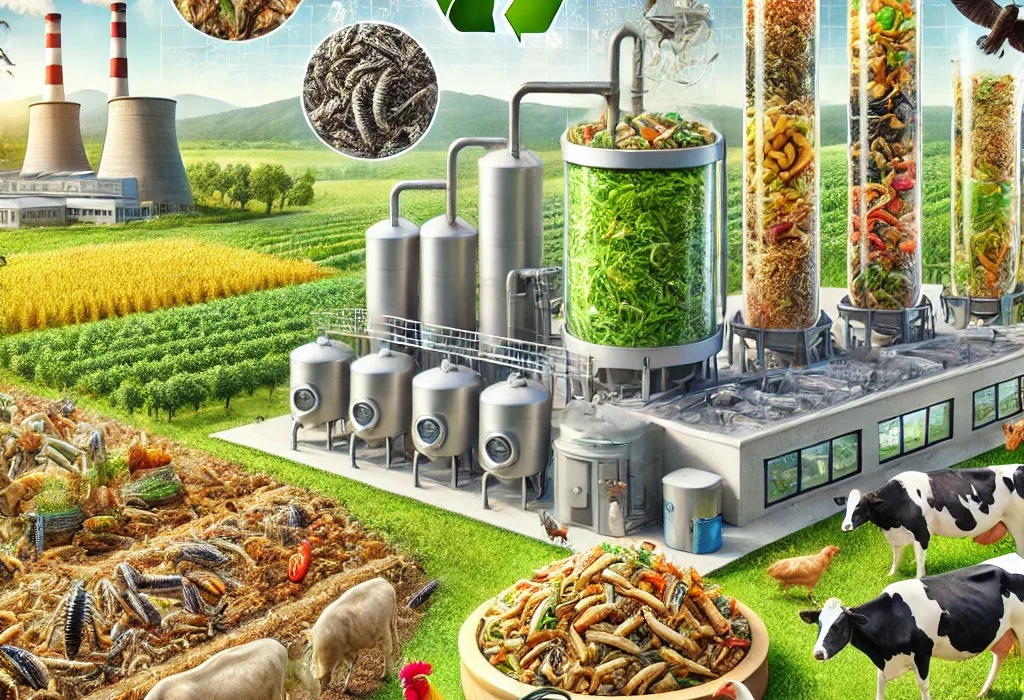
Biotechnology in Feed Production: Transforming Organic Waste for Livestock
The ever-increasing global demand for sustainable agricultural practices has placed biotechnology at the forefront of innovation. With livestock feed costs contributing significantly to the expenses of animal farming, researchers and industries are seeking alternative sources of nutrition. Organic waste, a previously overlooked resource, has emerged as a potential game-changer. Biotechnology offers innovative methods to transform this waste into high-quality animal feed, addressing environmental concerns while supporting farmers. This article explores the role of biotechnology in converting organic waste into livestock feed, highlighting its benefits, processes, and challenges.
The Global Challenge of Organic Waste and Feed Shortages
Organic waste is one of the most significant contributors to global pollution. According to the United Nations, approximately one-third of all food produced globally is wasted, amounting to about 1.3 billion tons annually. Much of this waste ends up in landfills, emitting methane, a potent greenhouse gas. On the other hand, livestock farming faces the dual challenge of rising feed costs and unsustainable resource use. Traditional feeds, such as soy and maize, not only require significant land and water resources but also compete directly with human food supplies. By utilizing organic waste, biotechnology addresses both the issue of waste management and the need for cost-effective, sustainable animal feed.
The Role of Biotechnology in Waste Transformation
Biotechnology employs biological processes, such as fermentation, enzyme treatment, and microbial action, to convert organic waste into a usable form for animal feed. Unlike conventional waste disposal methods, biotechnological processes add value by improving the nutritional profile and safety of waste-derived feed. For example, microbial fermentation can enhance the protein content of organic waste, making it suitable for livestock. Similarly, enzymes break down complex carbohydrates and fibers in waste, rendering them digestible for animals. These processes ensure that the final product meets the nutritional requirements of livestock without compromising their health.
Key Biotechnological Processes in Feed Production
One of the most promising biotechnological processes is microbial fermentation. This technique involves the use of beneficial microorganisms, such as yeast, bacteria, and fungi, to process organic waste. These microbes break down organic matter, releasing valuable nutrients like amino acids, vitamins, and minerals. For instance, agricultural residues like wheat bran and rice husks, which are typically low in protein, can be enriched through microbial action to create a balanced livestock feed.
Another critical process is the use of enzyme technology. Enzymes are biological catalysts that accelerate the breakdown of complex organic compounds. In feed production, enzymes like cellulases and proteases are added to organic waste to improve its digestibility. This approach is particularly useful for fibrous plant materials, such as crop residues, which are otherwise difficult for animals to digest. By increasing nutrient availability, enzyme treatment maximizes the value of organic waste as a feed source.
Biotechnology also explores the use of insects in waste conversion. Black soldier fly larvae (BSFL), for example, can efficiently consume organic waste and convert it into high-protein biomass. The larvae themselves are harvested and processed into feed for poultry, fish, and other livestock. This method not only recycles waste but also reduces the environmental footprint of feed production.
Benefits of Biotechnologically Processed Feed
One of the primary benefits of using biotechnology in feed production is its environmental impact. By repurposing organic waste, these methods reduce the volume of waste sent to landfills, thereby decreasing methane emissions. This contributes to climate change mitigation and promotes a circular economy where waste is transformed into valuable resources. Additionally, the reduced dependence on traditional feed crops like soy helps conserve arable land and water resources.
From an economic perspective, waste-derived feed can significantly lower costs for farmers. Traditional livestock feed prices are subject to market fluctuations and geopolitical factors, making them unpredictable. Conversely, organic waste is abundant and inexpensive, providing a stable and affordable feed source. Farmers who adopt these innovative feeds benefit from reduced production costs, enhancing their profitability.
Biotechnology also ensures the safety and quality of waste-derived feed. Through controlled processing, harmful pathogens and toxins in organic waste are eliminated, making the final product safe for animal consumption. Moreover, the enhanced nutritional value of biotechnologically processed feed improves livestock health and productivity, leading to better meat, milk, and egg yields.
Challenges and Limitations
Despite its potential, the adoption of biotechnology in feed production faces several challenges. One significant hurdle is the lack of awareness and technical knowledge among farmers, particularly in developing countries. Many farmers are unfamiliar with the processes involved and may be hesitant to adopt waste-derived feed due to concerns about safety and efficacy. Education and training programs are essential to bridge this knowledge gap and encourage adoption.
Another challenge lies in the initial investment required for biotechnological processing facilities. While the long-term benefits outweigh the costs, the upfront expenses can be prohibitive for small-scale farmers. Governments and private organizations must provide financial support and incentives to facilitate the adoption of these technologies.
Regulatory frameworks also play a crucial role in the success of waste-derived feed. Governments must establish clear guidelines to ensure that processed feeds meet safety and quality standards. These regulations should also address concerns related to cross-contamination and environmental impact. A robust regulatory environment will build trust among farmers and consumers, promoting widespread acceptance of biotechnological feeds.
Case Studies and Success Stories
Several countries have demonstrated the potential of biotechnology in feed production. In Kenya, pilot projects involving black soldier fly farming have shown promising results. Organic waste from markets and households is processed into protein-rich feed for poultry and fish, creating a sustainable value chain. Similarly, in China, large-scale fermentation plants convert agricultural residues into high-quality livestock feed, reducing the country’s reliance on imported soy. These success stories highlight the scalability and adaptability of biotechnology in diverse settings.
The Way Forward
To fully harness the potential of biotechnology in waste-to-feed transformation, collaboration is key. Governments, research institutions, and private sector players must work together to develop and implement these technologies. Investments in research and development are critical to improving the efficiency and affordability of biotechnological processes. Additionally, public awareness campaigns can help dispel misconceptions about waste-derived feed and promote its benefits.
Education and capacity-building initiatives for farmers are equally important. Training programs should focus on the practical aspects of waste collection, processing, and feed production. By empowering farmers with knowledge and resources, biotechnology can become a cornerstone of sustainable livestock farming.
Conclusion
Biotechnology offers a transformative solution to the challenges of organic waste management and livestock feed production. By converting organic waste into high-quality animal feed, these innovative processes contribute to environmental conservation, economic growth, and food security. While challenges remain, the potential benefits far outweigh the hurdles, making biotechnology a vital tool for sustainable agriculture. With continued investment and collaboration, biotechnology can pave the way for a greener, more resilient future for farmers and the planet.


