
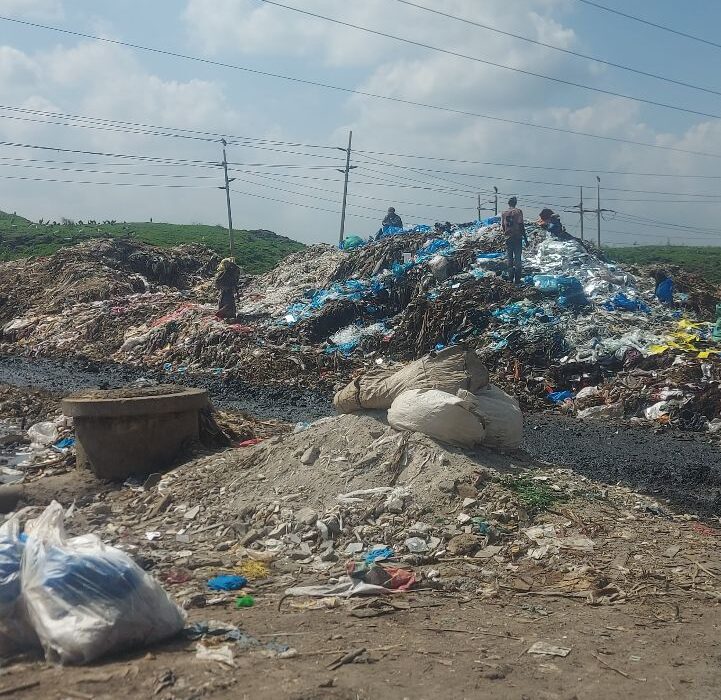
A Review of the Status of the Various Dumpsites in Nairobi County
Nairobi County, Kenya’s capital city, is home to millions of residents and a hub for economic activities. However, the rapid urbanization and population growth have led to significant waste management challenges. The city generates approximately 2,400 tons of solid waste daily, with only a fraction properly collected and disposed of. This article explores the status of key dumpsites in Nairobi County, highlighting their condition, impact on the environment, and implications for public health and urban planning.
1. Dandora Dumpsite: Nairobi’s Largest Dumpsite
The Dandora Dumpsite, located on the eastern outskirts of Nairobi, is the county’s largest and most notorious dumpsite. It spans approximately 30 acres and has long exceeded its intended capacity. Established in 1975 as a temporary landfill, Dandora has become a symbol of the city’s waste management crisis. The site receives an estimated 850 tons of waste daily, a mixture of household refuse, industrial waste, medical waste, and hazardous materials.
The condition of Dandora is alarming. Piles of unsegregated waste stretch as far as the eye can see, releasing toxic fumes from open-air burning. These fumes contribute to air pollution, affecting nearby residents and the thousands of informal workers who scavenge for recyclable materials. Studies have shown elevated levels of heavy metals such as lead and cadmium in the soil and water around the dumpsite, posing severe health risks to local communities. Despite numerous calls for its closure and relocation, Dandora remains operational, reflecting the lack of a comprehensive waste management strategy in the county.
2. Ngong Dumpsite: A Struggling Facility
Ngong Dumpsite, situated on the periphery of Nairobi in Kajiado County, is another major dumpsite serving parts of the city. Initially intended to handle waste from nearby regions, the dumpsite now receives overflow waste from central Nairobi, compounding its challenges. Unlike Dandora, Ngong Dumpsite occupies a smaller area and is surrounded by agricultural land, which raises additional concerns about its impact on soil and crop health.
The dumpsite lacks proper waste segregation or containment measures, leading to the leaching of pollutants into the surrounding environment. Farmers near Ngong have reported contamination of their water sources, which they suspect originates from waste seepage. Moreover, the site has become a hazard for livestock, with reports of animals ingesting plastics and other harmful materials. Efforts to rehabilitate or close the Ngong Dumpsite have faced resistance due to logistical and financial constraints, leaving it in a deteriorating state.
3. Ruai Dumpsite: An Emerging Challenge
Ruai Dumpsite, located on the eastern edge of Nairobi, is one of the newer sites designated to ease pressure on older facilities like Dandora. However, it has rapidly grown into an environmental concern of its own. Initially a small site for localized waste disposal, Ruai now receives waste from multiple regions within Nairobi, leading to overcapacity and poor management.
One of the primary issues at Ruai is the lack of infrastructure to handle the increasing volume of waste. The absence of proper access roads complicates transportation, while the lack of waste segregation means that recyclable materials are often buried or burned. Residents of Ruai have expressed concern over the dumpsite’s proximity to residential areas and its potential to affect air quality and groundwater supplies. Although Ruai was intended to be a modern, well-managed landfill, inadequate planning and funding have hindered its development.
4. Kariobangi Dumpsite: A Case of Neglect
Kariobangi Dumpsite, located within Nairobi’s populous Eastlands area, is smaller than other dumpsites but equally problematic. It serves a densely populated region, making it a source of concern for local residents. The dumpsite is poorly managed, with waste often spilling into nearby roads and residential areas. Open burning of waste is a common practice, releasing noxious fumes into the air.
The proximity of the dumpsite to residential areas exacerbates health risks, particularly respiratory illnesses and infections caused by pests like rats and flies. Despite its smaller size, the Kariobangi Dumpsite plays a crucial role in waste disposal for the area, highlighting the urgent need for improved waste management systems. Community-based organizations have attempted to address some of these issues by advocating for waste segregation and recycling, but their efforts remain limited by insufficient resources and support from local authorities.
5. Satellite Dumpsites: Informal Waste Disposal Points
Beyond the major dumpsites, Nairobi County is dotted with numerous informal dumpsites in neighborhoods such as Kibera, Mathare, and Kayole. These sites are often small, unregulated, and located near residential areas, markets, or rivers. Residents and businesses dump waste here due to the lack of regular garbage collection services, creating localized environmental and health hazards.
Informal dumpsites are particularly problematic in informal settlements where residents lack access to basic waste disposal services. These areas often experience flooding during the rainy season, which spreads waste and pollutants into homes and waterways. The Nairobi River, for instance, is heavily polluted with waste from informal dumpsites, undermining efforts to rehabilitate it. Addressing these informal sites requires a combination of community engagement, improved municipal services, and enforcement of waste disposal regulations.
6. Environmental and Public Health Impacts
The state of Nairobi’s dumpsites has significant implications for the environment and public health. Open dumping and burning release greenhouse gases, including methane and carbon dioxide, contributing to climate change. Leachate from uncontained waste pollutes groundwater and rivers, posing risks to both human health and aquatic ecosystems. Informal waste pickers, including women and children, are exposed to hazardous materials daily, increasing their vulnerability to diseases such as cancer, respiratory illnesses, and infections.
Moreover, the lack of waste segregation at source means that valuable materials like plastics, metals, and organic waste are often wasted. This inefficiency not only increases the environmental burden but also represents a missed opportunity for economic gain through recycling and composting. Addressing these impacts requires an integrated approach that combines policy reforms, public education, and investment in waste management infrastructure.
7. Recommendations for Improvement
To address the challenges facing dumpsites in Nairobi County, several measures are necessary. First, the county government must prioritize the development of modern landfills that meet international standards. These facilities should include proper waste segregation, leachate containment systems, and recycling centers. Second, improving waste collection services, particularly in informal settlements, will help reduce the reliance on illegal dumpsites.
Public education campaigns are also essential to promote waste reduction, segregation, and recycling at the household level. Partnerships with private sector players, including waste management companies and recycling businesses, can provide innovative solutions and additional funding. Finally, stricter enforcement of waste disposal regulations is needed to deter illegal dumping and ensure compliance with environmental standards.
8. Conclusion
The status of dumpsites in Nairobi County underscores the urgent need for a comprehensive waste management strategy. Dandora, Ngong, Ruai, Kariobangi, and countless informal dumpsites collectively illustrate the challenges of urban waste management in a rapidly growing city. These sites are not only environmental hazards but also missed opportunities for resource recovery and economic development.
By investing in modern waste management infrastructure, promoting recycling, and engaging communities in sustainable practices, Nairobi can transform its waste management system into a model of environmental resilience and economic innovation. The time to act is now, as the city cannot afford to let its dumpsites continue to harm the environment, public health, and future generations.


