
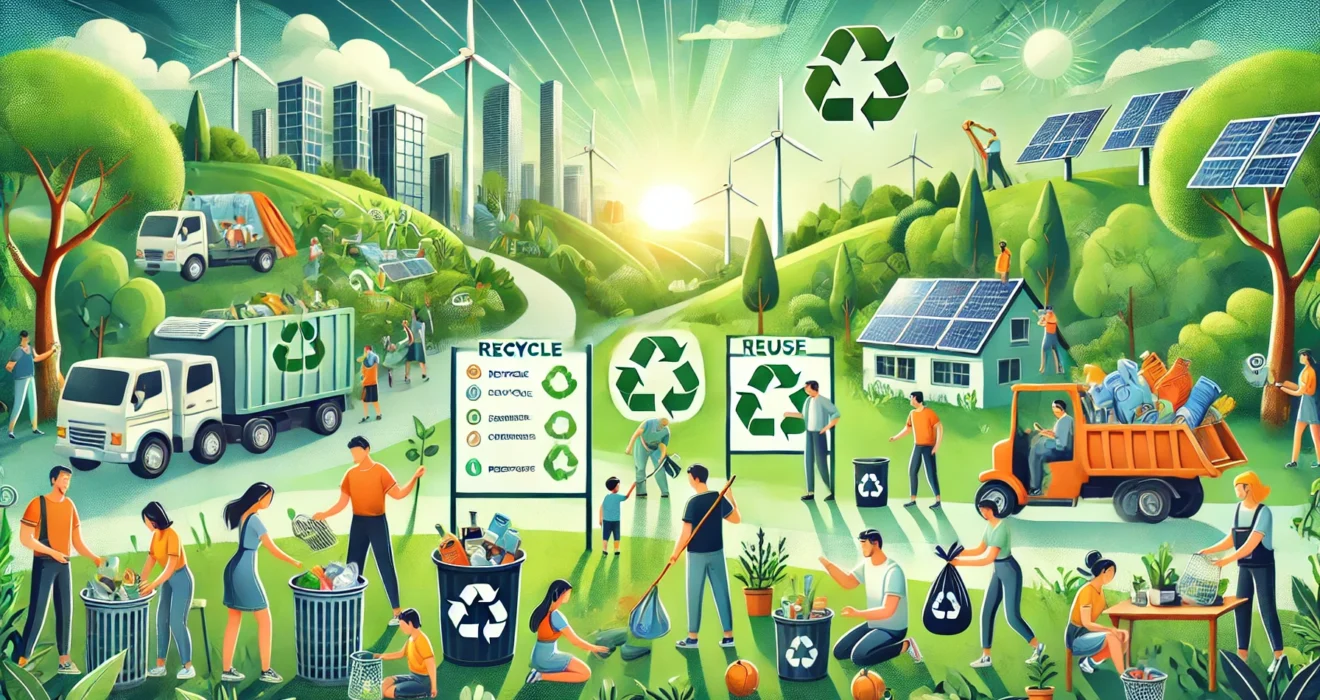
Educating and Inspiring Action for a Balanced, Thriving Planet through Sustainable Waste Management
Introduction
Sustainable waste management is at the core of achieving a balanced and thriving planet. With growing populations and urbanization, waste production has surged, threatening ecosystems, public health, and the climate. Educating communities and inspiring collective action can empower individuals, businesses, and governments to address this pressing challenge. By teaching sustainable waste practices, such as recycling, composting, and reducing single-use materials, we can foster a culture of responsibility and innovation. This approach not only mitigates environmental damage but also builds the foundation for a circular economy where resources are reused and waste is minimized.
Key Strategies for Education and Action
1. Community Awareness Campaigns
Educating communities on the importance of sustainable waste management is essential for fostering eco-friendly behaviors.
- Activities:
- Organize workshops and seminars to explain the environmental and economic benefits of waste reduction, recycling, and composting.
- Use engaging visuals like infographics, videos, and real-life examples to demonstrate the impact of unsustainable waste practices.
- Host community events such as clean-up drives or recycling fairs to combine education with hands-on experience.
- Impact:
Increased awareness encourages individuals to adopt better waste disposal habits and to advocate for systemic change in their localities.
2. Integrating Waste Education in Schools
Children are the future custodians of the planet, making education on sustainable practices crucial at an early age.
- Activities:
- Develop school curricula that include topics on waste segregation, recycling processes, and the environmental consequences of improper waste management.
- Set up school-based recycling programs or composting projects to give students practical experience.
- Conduct competitions, such as poster-making or upcycling challenges, to engage students creatively in waste management solutions.
- Impact:
Instilling eco-conscious values in children ensures a generational shift toward sustainability, with young leaders advocating for change.
3. Promoting Grassroots Action Through Community Programs
Engaging communities directly ensures that education translates into actionable change at the local level.
- Activities:
- Create community recycling hubs where residents can drop off segregated waste for processing.
- Train community leaders as sustainability ambassadors to spread knowledge and encourage participation.
- Implement waste audit programs where households or businesses track their waste generation and identify areas for improvement.
- Impact:
Empowering communities builds collective accountability, making sustainable waste practices a shared responsibility.
4. Leveraging Digital Platforms for Education and Outreach
Digital platforms provide a powerful way to reach a global audience and inspire action on sustainable waste management.
- Activities:
- Develop online courses, tutorials, and webinars that teach waste reduction and recycling techniques.
- Use social media to share success stories, tips, and innovations in sustainable waste management.
- Create mobile apps that help users track waste reduction goals or locate nearby recycling facilities.
- Impact:
Digital outreach bridges geographical gaps, enabling widespread education and participation in sustainability efforts.
5. Inspiring Action Through Policy Advocacy and Public Involvement
Educating people about their rights and responsibilities in waste management systems encourages active participation in shaping policies.
- Activities:
- Organize forums where citizens can engage with local authorities on waste management challenges and solutions.
- Advocate for public policies that prioritize waste segregation, recycling infrastructure, and penalties for illegal dumping.
- Educate businesses on compliance with environmental regulations and incentivize eco-friendly operations.
- Impact:
Public involvement in policymaking fosters accountability and ensures waste management systems address community needs effectively.
6. Showcasing Innovative Solutions and Success Stories
Highlighting successful waste management initiatives can inspire replication and innovation in other regions.
- Activities:
- Publish case studies on cities or organizations that have achieved zero-waste goals or implemented groundbreaking waste management technologies.
- Host exhibitions showcasing products made from recycled materials or waste-to-energy projects.
- Organize field visits to model recycling plants or composting facilities to provide hands-on inspiration.
- Impact:
Success stories demonstrate the feasibility and benefits of sustainable waste management, motivating others to adopt similar practices.
7. Fostering Behavioral Change Through Incentives
Behavioral change is central to inspiring sustained action, and incentives can help make sustainable waste practices more appealing.
- Activities:
- Implement reward systems for households or businesses that consistently segregate and recycle waste.
- Provide subsidies for eco-friendly products, such as reusable bags or composting kits.
- Recognize community leaders or organizations driving positive change in waste management through awards or public acknowledgment.
- Impact:
Incentives reinforce positive behaviors, creating a ripple effect that encourages others to follow suit.
8. Engaging Businesses and Industries in the Conversation
Corporations and industries are major waste generators, making their participation vital for achieving sustainability goals.
- Activities:
- Offer training programs for businesses on sustainable waste practices and the benefits of adopting a circular economy model.
- Encourage industries to implement waste audits and invest in waste reduction technologies.
- Facilitate partnerships between businesses and recycling firms to ensure waste is managed responsibly.
- Impact:
Corporate engagement drives large-scale change, as businesses adopt practices that reduce waste generation and environmental impact.
Conclusion
Educating and inspiring action for a balanced, thriving planet through sustainable waste management is both a moral imperative and a practical necessity. By raising awareness, equipping communities with knowledge, and empowering individuals to act, we can transform waste management from a global challenge into an opportunity for innovation and sustainability. Through collaboration, education, and leadership, we can create a world where waste is not an environmental burden but a resource for a better future.


