

Air Quality Monitoring Devices
Introduction
Air quality near landfills and open waste disposal sites has long been a concern for communities and environmental advocates. These areas often emit harmful pollutants such as volatile organic compounds (VOCs), particulate matter (PM), and gases like methane (CH₄) and hydrogen sulfide (H₂S). Prolonged exposure to these pollutants can pose serious health risks, including respiratory issues, cardiovascular diseases, and long-term environmental damage. Assessing air quality in these areas is critical to determining whether communities should be relocated or if waste disposal practices need to be revised.
To tackle this issue, reliable air quality monitoring devices are essential. These devices should accurately measure landfill-specific pollutants while being user-friendly and adaptable for field conditions. This review explores five air quality monitoring devices, comparing their strengths, weaknesses, and suitability for assessing landfill air quality and open waste disposal sites.
1. Aeroqual Series 300/500 Monitors
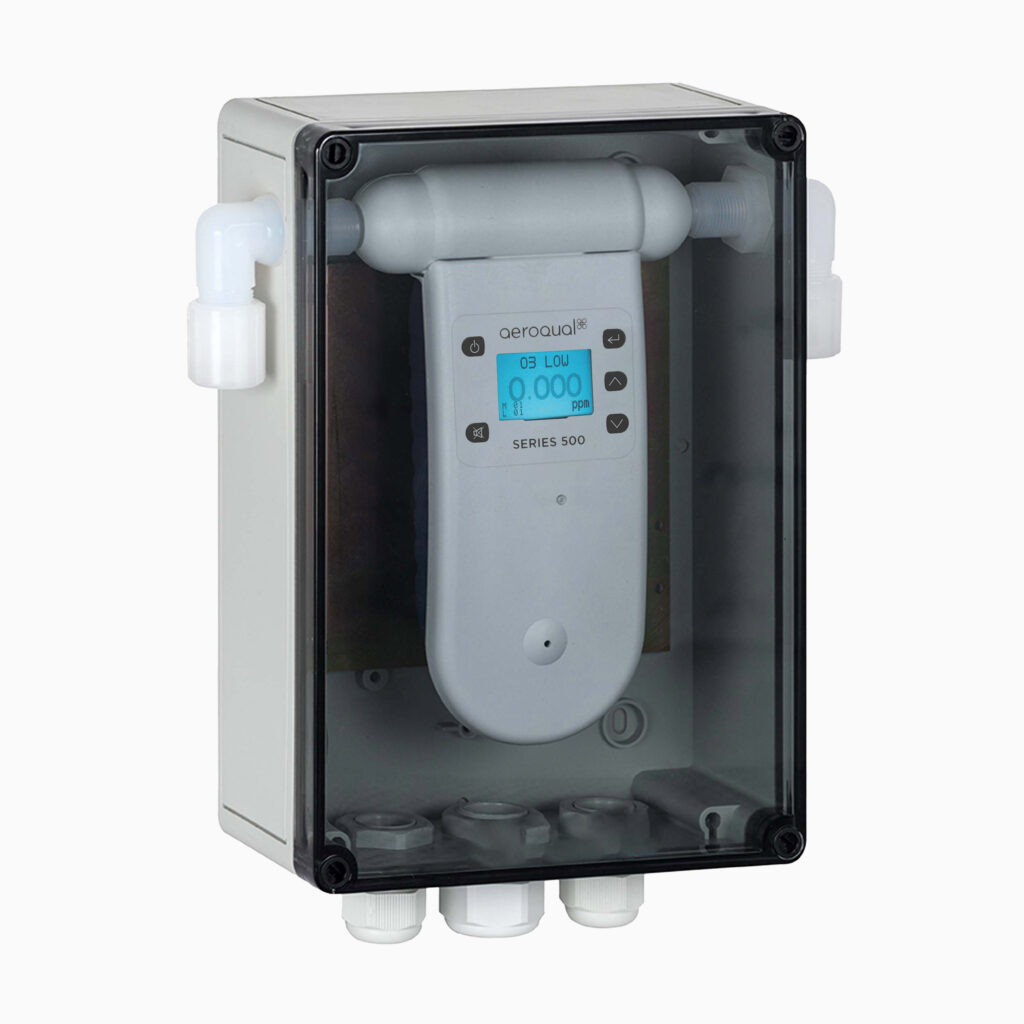
Overview: The Aeroqual Series 300 and 500 monitors are professional-grade air quality monitoring devices known for their versatility and precision. These devices utilize swappable sensors, making them ideal for detecting specific landfill gases such as methane, ammonia, and hydrogen sulfide.
Strengths:
- Gas-Specific Monitoring: The Aeroqual series allows users to select sensors tailored to the specific gases of interest, including VOCs and landfill-specific gases like H₂S and CH₄.
- High Accuracy: Designed for professional applications, these devices provide precise and reliable measurements, making them suitable for regulatory assessments.
- Customizability: The ability to interchange sensors offers flexibility for monitoring various pollutants as needs evolve.
- Durability: Built for field conditions, the device’s robust design ensures consistent performance in challenging environments.
Weaknesses:
- Cost: The Aeroqual monitors are relatively expensive, with prices starting at around $1,000, increasing with additional sensors.
- Size: While portable, they are bulkier compared to consumer-grade devices like Atmotube Pro.
Best Use Case: Ideal for comprehensive assessments of landfill air quality where precise measurements of specific gases are required.
2. Temtop M2000C or M10i
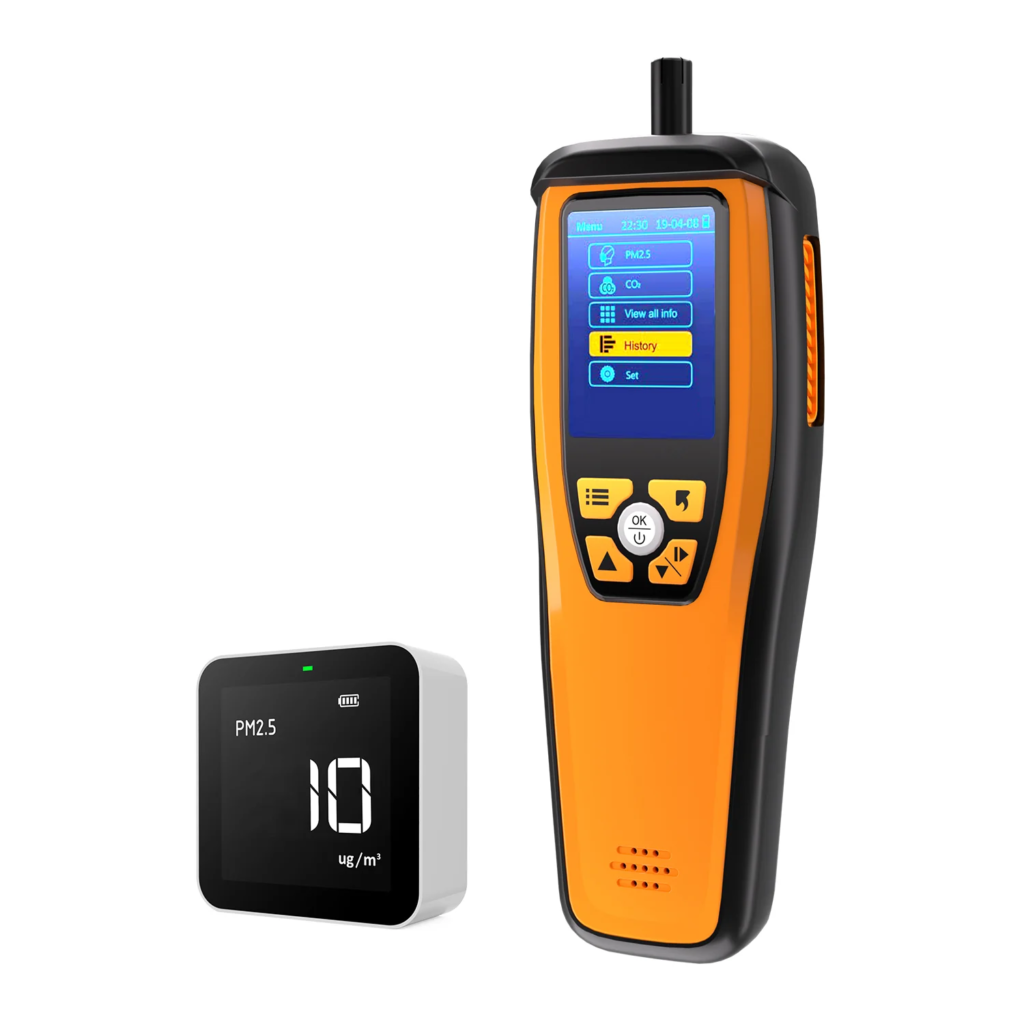
Overview: Temtop M2000C and M10i are compact, affordable air quality monitors designed for general environmental assessments. They measure PM2.5, PM10, CO2, formaldehyde (HCHO), and VOCs, making them suitable for assessing common landfill pollutants.
Strengths:
- Affordability: Priced around $300-$400, these devices are accessible for smaller projects or community-led initiatives.
- Ease of Use: Simple interface and real-time display make them user-friendly.
- Compact Design: Lightweight and portable, they are easy to transport and deploy in multiple locations.
Weaknesses:
- Limited Gas Detection: While they measure VOCs and PM, they do not detect landfill-specific gases like methane or ammonia.
- Accuracy: Consumer-grade accuracy is lower than professional-grade devices like the Aeroqual series.
Best Use Case: Suitable for initial assessments of air quality near landfills, focusing on particulate matter and general VOC levels.
3. Airthings Wave Plus
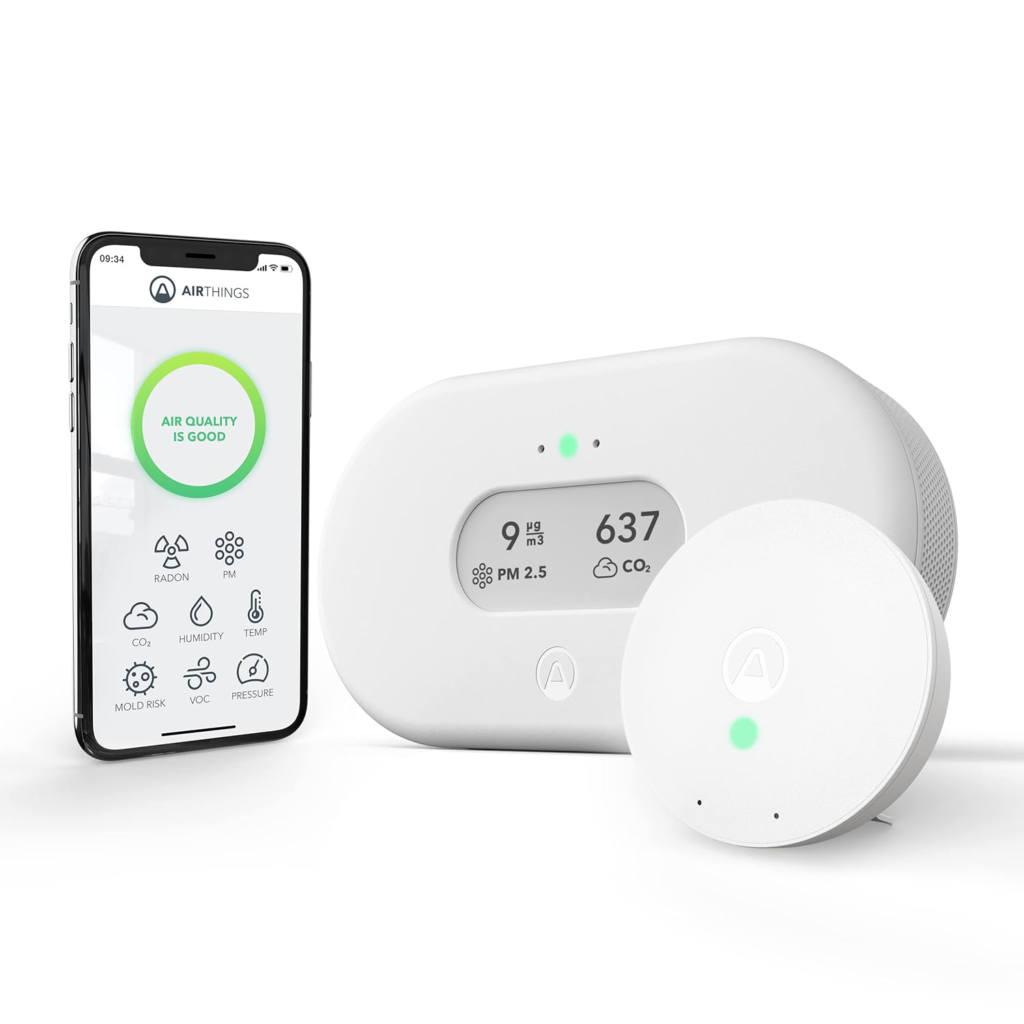
Overview: Airthings Wave Plus is primarily marketed for indoor air quality monitoring but can be adapted for outdoor use in specific scenarios. It measures VOCs, CO2, and radon, providing insights into air pollution levels.
Strengths:
- Smart Connectivity: Syncs with smartphones, allowing real-time monitoring and easy data access.
- User-Friendly: Designed for non-specialists, with a straightforward operation.
- Affordable: Priced competitively at approximately $250.
Weaknesses:
- Limited Outdoor Application: The device is optimized for indoor use and may not perform as well in outdoor landfill environments.
- No Specific Gas Detection: Lacks the capability to measure landfill-specific gases like H₂S and CH₄.
Best Use Case: Ideal for monitoring general VOC levels but less effective for comprehensive landfill assessments.
4. PCE-AQD 20 Air Quality Meter
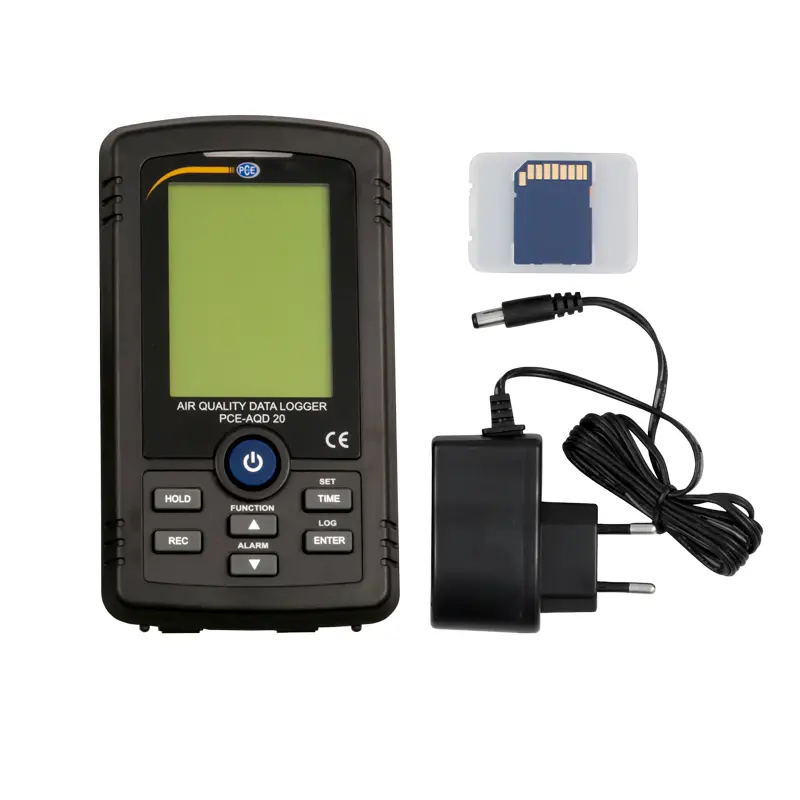
Overview: The PCE-AQD 20 is an industrial-grade air quality meter designed for comprehensive environmental assessments. It measures particulate matter (PM2.5/PM10), VOCs, CO2, temperature, and humidity.
Strengths:
- Multi-Parameter Measurement: Covers a broad range of pollutants, providing a holistic view of air quality.
- High Accuracy: Professional-grade precision ensures reliable data for regulatory or scientific purposes.
- Data Logging: Allows users to store large amounts of data for detailed analysis over time.
Weaknesses:
- Cost: Priced at $1,200+, it is more expensive than consumer-grade options.
- Portability: Bulky design limits ease of use for fieldwork.
Best Use Case: Perfect for detailed environmental studies requiring robust data collection and analysis.
5. Draeger X-am 5600 Multi-Gas Detector
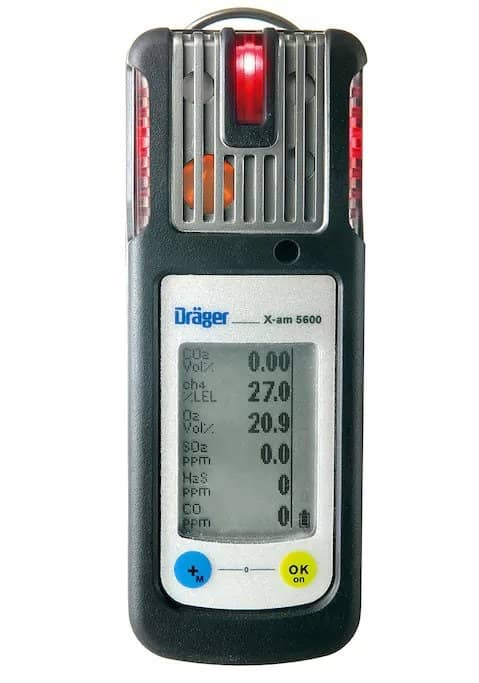
Overview: The Draeger X-am 5600 is a high-end device designed for industrial applications, including landfill air quality monitoring. It can detect a wide range of gases, including methane, hydrogen sulfide, ammonia, and VOCs.
Strengths:
- Comprehensive Gas Detection: Capable of measuring landfill-specific gases with high precision.
- Durability: Built for harsh environments, ensuring reliability in challenging conditions.
- Professional-Grade Accuracy: Provides precise measurements suitable for regulatory compliance.
Weaknesses:
- Cost: Premium pricing, ranging from $2,500 to $5,000, depending on configuration.
- Complexity: Requires training to operate and interpret results effectively.
Best Use Case: Best suited for industrial or regulatory monitoring of landfill emissions where accuracy and specificity are paramount.
Comparative Analysis
| Device | Key Strengths | Key Weaknesses | Best Use Case |
|---|---|---|---|
| Aeroqual Series | Customizable sensors, high accuracy | Expensive, bulky | Comprehensive landfill assessments |
| Temtop M2000C | Affordable, user-friendly | Limited gas detection, consumer-grade | Initial air quality assessments |
| Airthings Wave | Smart connectivity, affordable | Limited outdoor and gas detection | General VOC monitoring |
| PCE-AQD 20 | Multi-parameter, data logging | Expensive, less portable | Holistic environmental studies |
| Draeger X-am | Comprehensive gas detection, durable | Very expensive, complex to operate | Industrial/regulatory landfill monitoring |
Conclusion
Monitoring air quality near landfills and open waste disposal sites is critical to protecting community health and ensuring environmental sustainability. Each device reviewed offers unique strengths, with the Aeroqual Series 300/500 standing out for its customizability and accuracy in measuring landfill-specific gases. For organizations or communities seeking affordable yet reliable solutions, the Temtop M2000C provides an excellent starting point, though it lacks advanced gas detection capabilities.
For high-stakes applications requiring precise and comprehensive monitoring, the Draeger X-am 5600 is the ideal choice, albeit at a higher cost and complexity. Ultimately, the choice of device depends on the specific pollutants of interest, budget constraints, and the level of accuracy required. By selecting the right air quality monitoring device, stakeholders can make informed decisions to safeguard communities and promote sustainable waste management practices.


